

What Is Flannel Fabric? The Complete Guide (2026)
Everything shoppers and clothing brands need to know about flannel — what it's made of, how it's manufactured, and why it keeps getting mistaken for a pattern instead of a material.
 flannel
soft / woven / brushed
flannel
soft / woven / brushedor wool
since 16th c.
Flannel is one of those fabrics everyone can picture but few can actually define. Is it a fiber? A weave? Just a pattern? All three get confused constantly.
This guide explains what flannel fabric actually is, what it's made of, how it's manufactured, why it's often mistaken for a pattern rather than a material, and what shoppers and brands need to know about warmth, care, and styling.
What Is Flannel Fabric?
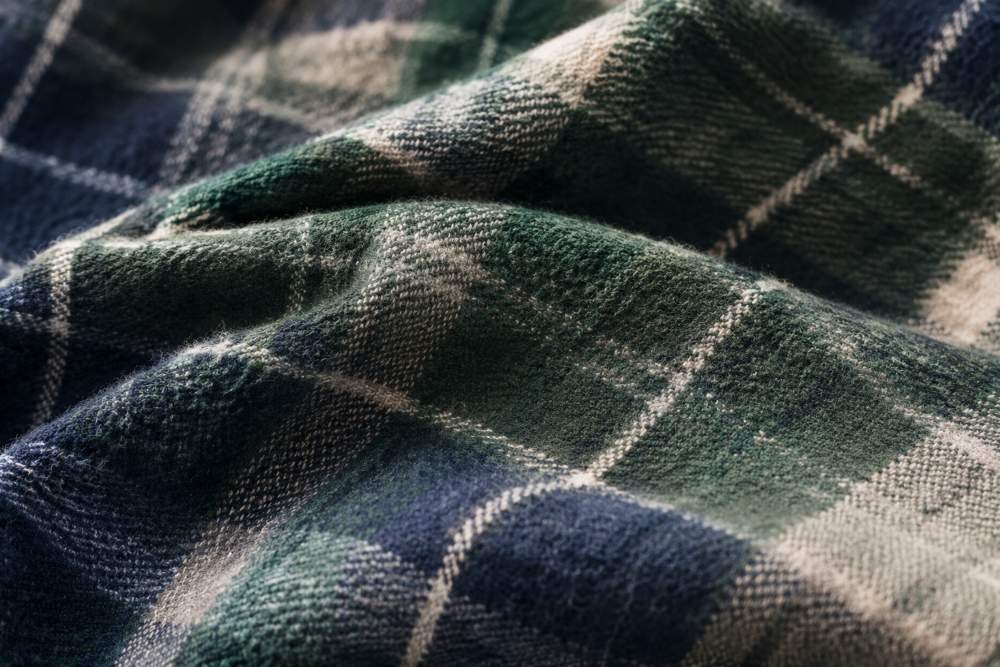
Flannel is a soft, woven fabric finished with a brushing technique that lifts fine fibers to the surface. This gives it a lighter, fluffier texture and a warmer hand-feel than an unbrushed fabric of the same weave. Most flannel today is made from cotton or a cotton blend rather than wool.
The name is derived from gwlân, the Welsh word for wool. Flannel was originally woven in Wales during the 16th–17th centuries as a wool fabric for cold-weather clothing.
Here's the most common mistake: flannel is a fabric, not a pattern. A flannel shirt can be solid, striped, or checked — we cover this distinction in detail in the flannel vs. plaid section below.
A soft woven fabric, brushed on one or both sides to raise a fine fiber nap — traditionally wool, most often cotton today.
What Is Flannel Made Of?
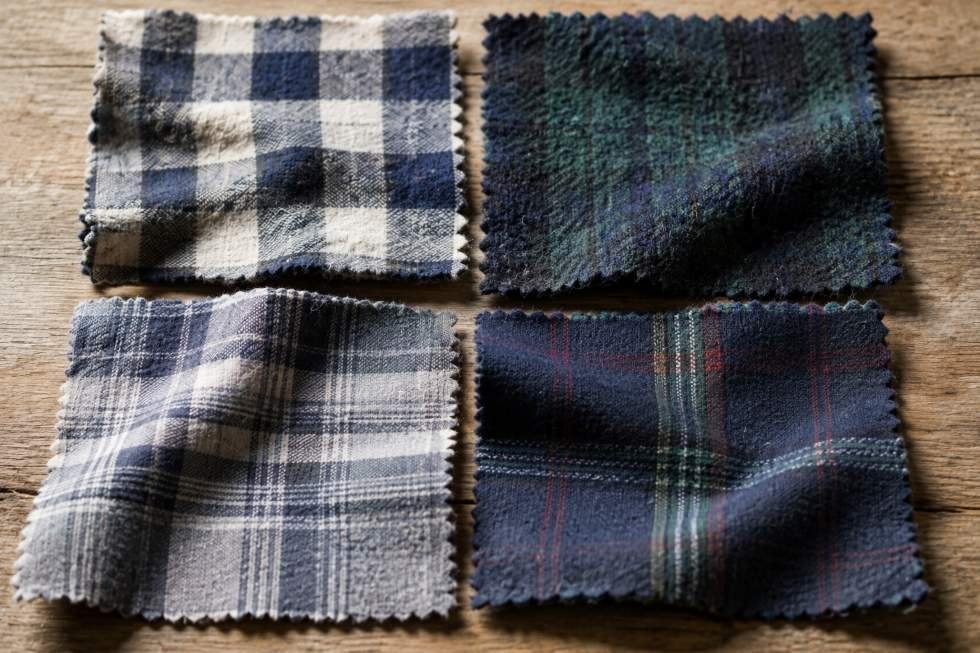
The fiber content changes how flannel looks, feels, wears — and how it should be cared for. Drag sideways to compare all four types.
Cotton Flannel
The most popular type today — machine-washable, breathable, and holds color and print well. The standard choice for shirts, loungewear, pajamas, and bedding, and the easiest fiber to produce consistently at scale.
Wool Flannel
The original flannel fiber. Denser, warmer, and more structured than cotton flannel. Used in tailoring — suits, trousers, outerwear — rather than casual shirting, and typically dry-clean only.
Flannelette
A lighter-weight cotton flannel, usually brushed on only one side. More common in the UK and Australia, and used almost exclusively for bedsheets, nightwear, and children's clothing.
Synthetic & Blended
Polyester and poly-cotton blends resist wrinkling and shrinking better than pure cotton, but don't breathe as well. Increasingly common in budget and performance lines.
How Is Flannel Fabric Made?
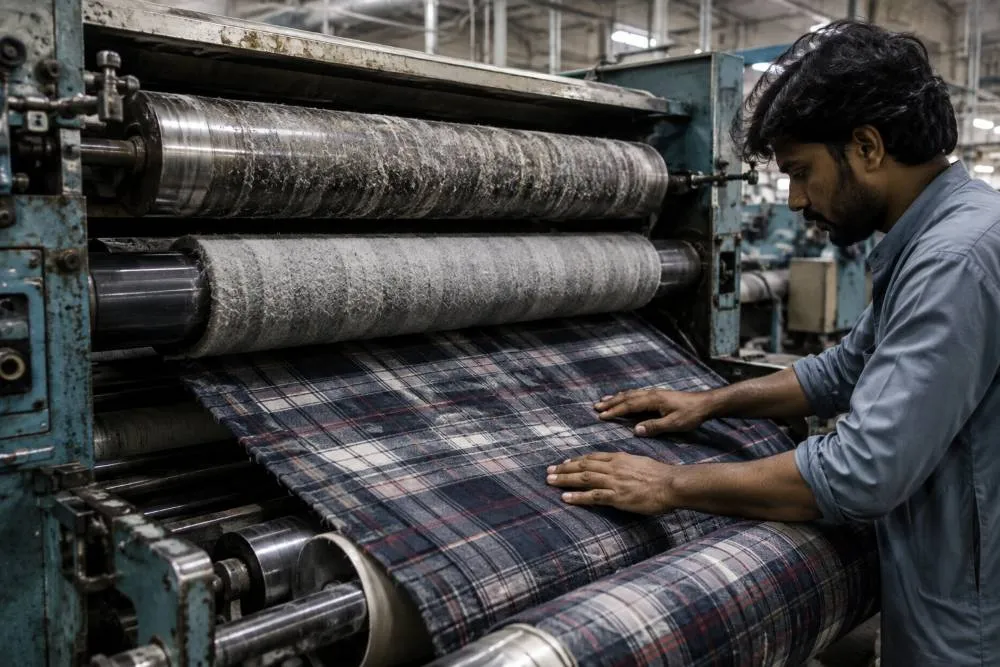
Flannel starts as an ordinary woven fabric — usually a plain or twill weave in cotton or wool yarn. What turns that base fabric into flannel is a finishing process called napping.
Weave the base cloth
Cotton or wool yarn is woven into a plain or twill fabric — no different from ordinary shirting cloth at this stage.
Brush / nap the surface
The fabric runs through rollers fitted with fine wire bristles that lift individual fiber ends up out of the weave.
Finished flannel
The raised fiber layer creates flannel's soft, matte surface and traps a thin layer of air — the source of its warmth-for-weight.
Single-Nap Flannel
Brushed on one side only — common in flannelette and lighter shirting weights.
Double-Nap Flannel
Brushed on both sides — noticeably softer, warmer, and more durable. Generally marketed as a premium spec.
Flannel vs. Plaid: What's the Difference?
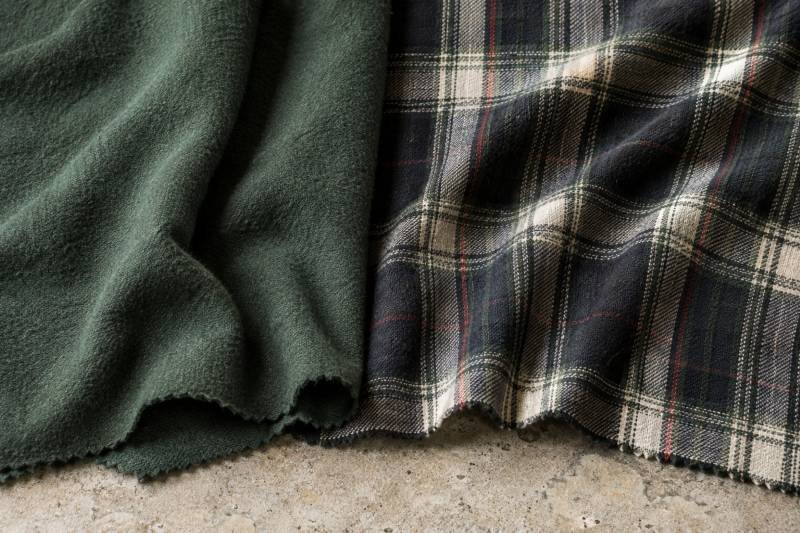
It's worth stating plainly: flannel is a fabric, plaid is a pattern. The two words get used together so often that people treat them as interchangeable — but neither requires the other.
Flannel
A brushed, napped weave. A flannel shirt can be solid-colored, striped, or plaid — the fabric finish is what makes it flannel, not the print on top of it.
Plaid
A crossing-stripe print. Plaid is often printed on fabrics that aren't flannel at all — poplin and twill are both commonly sold in plaid.
So when someone says "I want a plaid shirt" versus "I want a flannel shirt," they may be asking for two different things: one is about the print, the other is about the fabric's texture and finish. A solid, unpatterned flannel shirt is entirely possible — and increasingly common in modern menswear.
Is Flannel Warm Enough for Winter?
It depends on the weight and finish. Flannel's insulation comes from trapped air in the brushed fiber layer, not fabric density — so even double-nap flannel works best as a mid-layer in genuinely cold weather, not a substitute for real outerwear.
Flannelette / Single-Nap
Best for transitional weather or indoor use — pajamas, bedding, and layering pieces.
Double-Nap Cotton
Warm enough for most fall and mild-winter wear, especially layered over a tee or under a jacket.
Wool Flannel
The most insulating option — holds up best in genuinely cold, dry climates.
Is Flannel Business Casual?
- A solid or subtle check, not a bold red-and-black plaid
- Tucked in, at least partially
- Layered under a blazer or over a plain tee
- Paired with chinos or dark denim
- A tailored fit, not an oversized cut
- Heavyweight, bold lumberjack plaid
- Worn fully open and untucked
- Paired with a graphic tee and sneakers
- Distressed or light-wash denim
Same fabric, completely different read — which is exactly why this is one of the most-asked questions about flannel.

Does Flannel Shrink? & How to Wash It
Most commercial flannel today is pre-shrunk, but budget or unbranded flannel sometimes isn't. Wool flannel shrinks more aggressively if machine washed in warm or hot water — which is why it's usually dry-clean only.
Wash in cold water on a gentle cycle.
Skip the fabric softener — it flattens the brushed nap over time.
Turn the garment inside out to protect the surface texture and any print.
Tumble dry on low, or air dry to avoid shrinkage risk entirely.
Iron on the reverse side if needed, on a low-to-medium setting.
How to Wear and Style a Flannel Shirt
Flannel works as an outer layer, a mid-layer, or on its own — and it reads differently depending on fit and styling.
- 01 Layered over a plain tee, sleeves rolled, with jeans and boots — the classic casual look.
- 02 Worn open over a hoodie, streetwear-style, as an outer layer rather than a shirt.
- 03 Tucked in with chinos and a leather belt for a smart-casual look that works in business-casual settings.
- 04 Tied around the waist as an accent layer over a t-shirt in warmer weather.
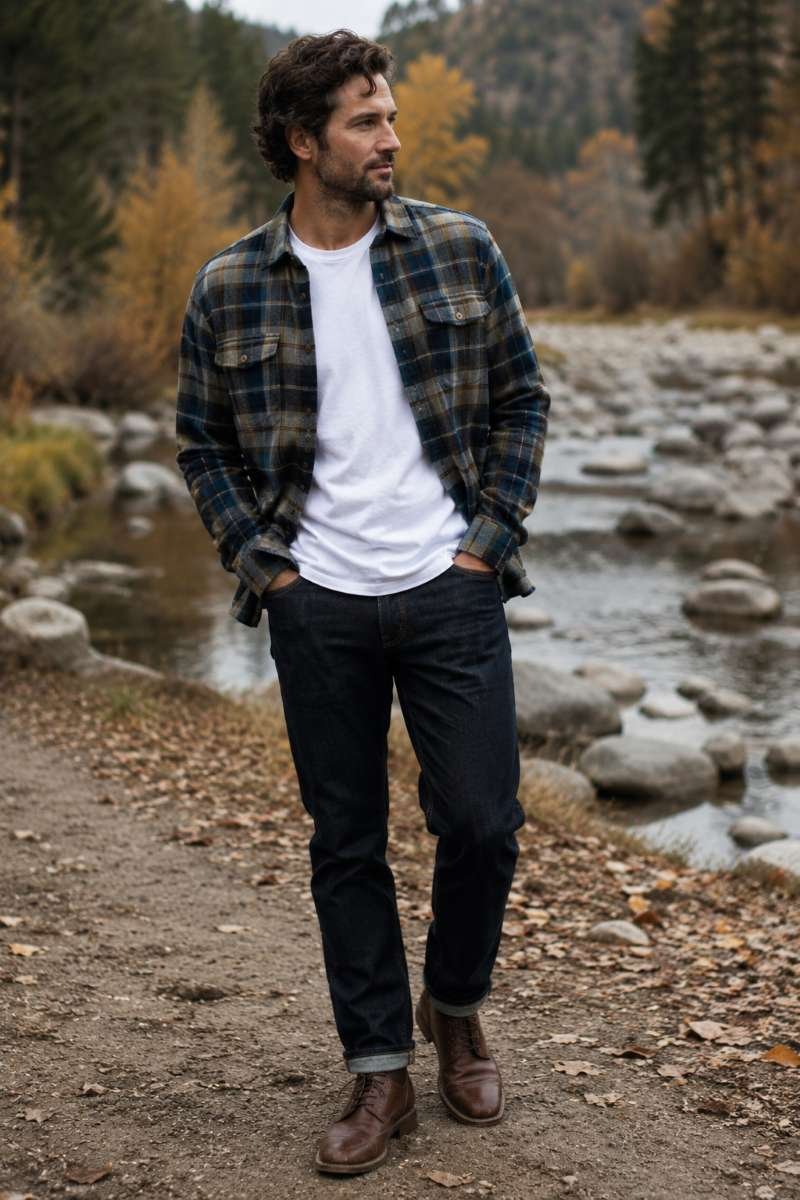
- 01 Oversized and belted, worn as a dress or tunic over leggings.
- 02 Tied in a front knot over a plain tee and high-waisted jeans.
- 03 Layered under a denim or puffer jacket, with just the collar and cuffs showing.
- 04 Cropped or tied at the waist, paired with a slip dress for a mixed-texture look.
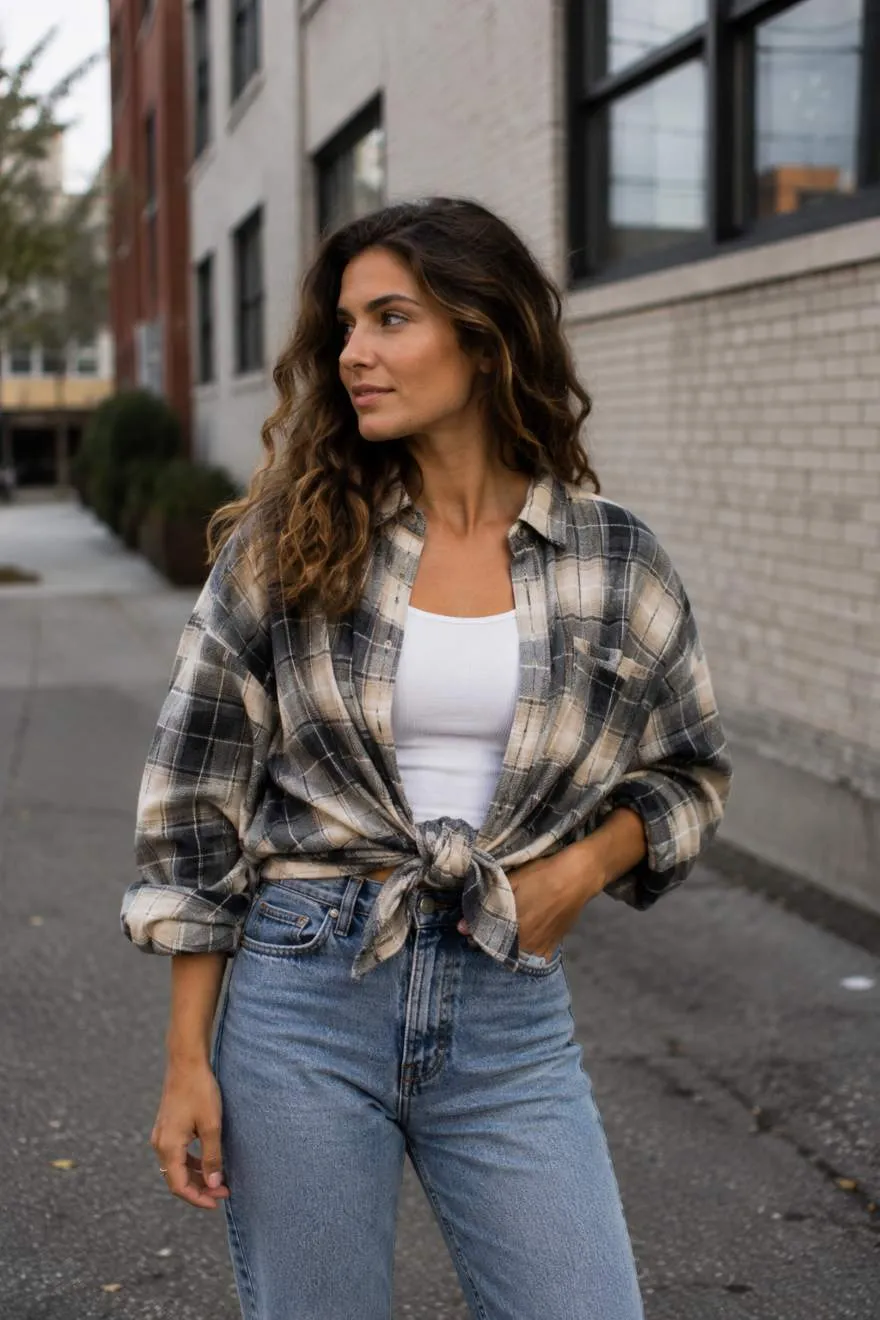
Flannel Fabric for Custom Clothing Brands
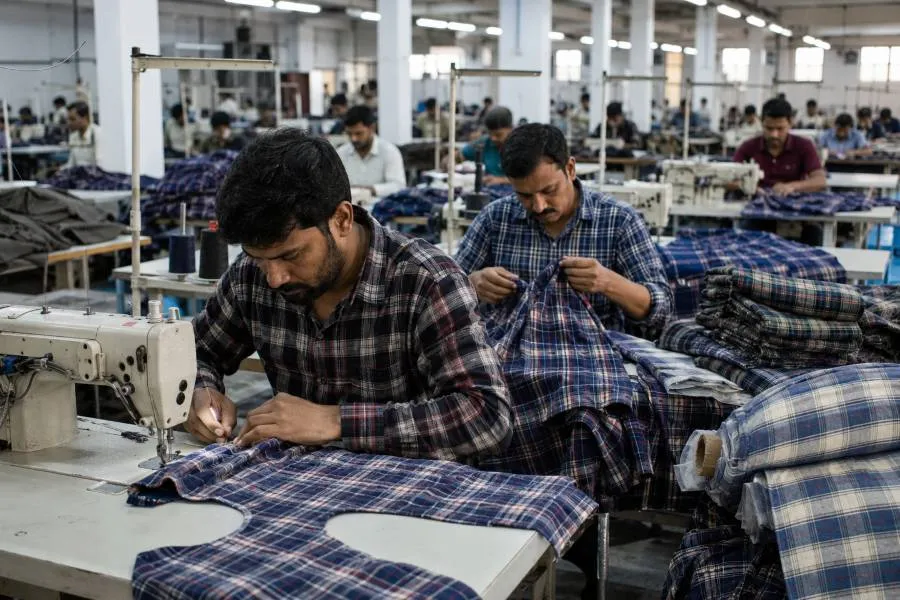
Fabric spec is what actually determines the quality of a flannel shirt, jacket, or loungewear piece. A few things worth knowing before you brief a factory:
Weight: shirting-weight cotton flannel typically runs 150–220 GSM; heavier flannel for jackets and overshirts runs 220 GSM and up.
Nap: specify single-nap or double-nap — double-nap costs more but delivers a noticeably better hand-feel and warmth.
Pre-shrinking: confirm the fabric is sanforized before cutting, especially for fitted styles — a common gap with lower-cost mills.
At CLOTHINGMANUFACTURER.US, we source and quality-test fabric to your exact GSM, nap, and fiber spec before a single panel is cut — with samples in 7–10 days and full private label included from just 10 units per style, per colour. Building a flannel shirt or flannel overshirt/jacket line? We'll walk you through fabric options and pricing.
Frequently Asked Questions
What is flannel fabric made of?
What is flannelette?
Is flannel the same as flannelette?
Is flannel a fabric or a pattern?
Does flannel shrink?
Does flannel keep you warm in winter?
Is a flannel shirt business casual?
What is the difference between flannel and plaid?
More From the Fabric Guide
Building a Flannel Shirt or Jacket Line?
Factory-direct production, MOQ from 10 units, samples in 7–10 days, and full private label included on every order.