
Cotton Fabric
Features: Soft, breathable, natural fiber, comfortable for daily wear.
Best For: T-shirts, hoodies, streetwear.
Why Choose: Perfect balance of comfort and durability.
Fabric Guide · Clothing Manufacturing
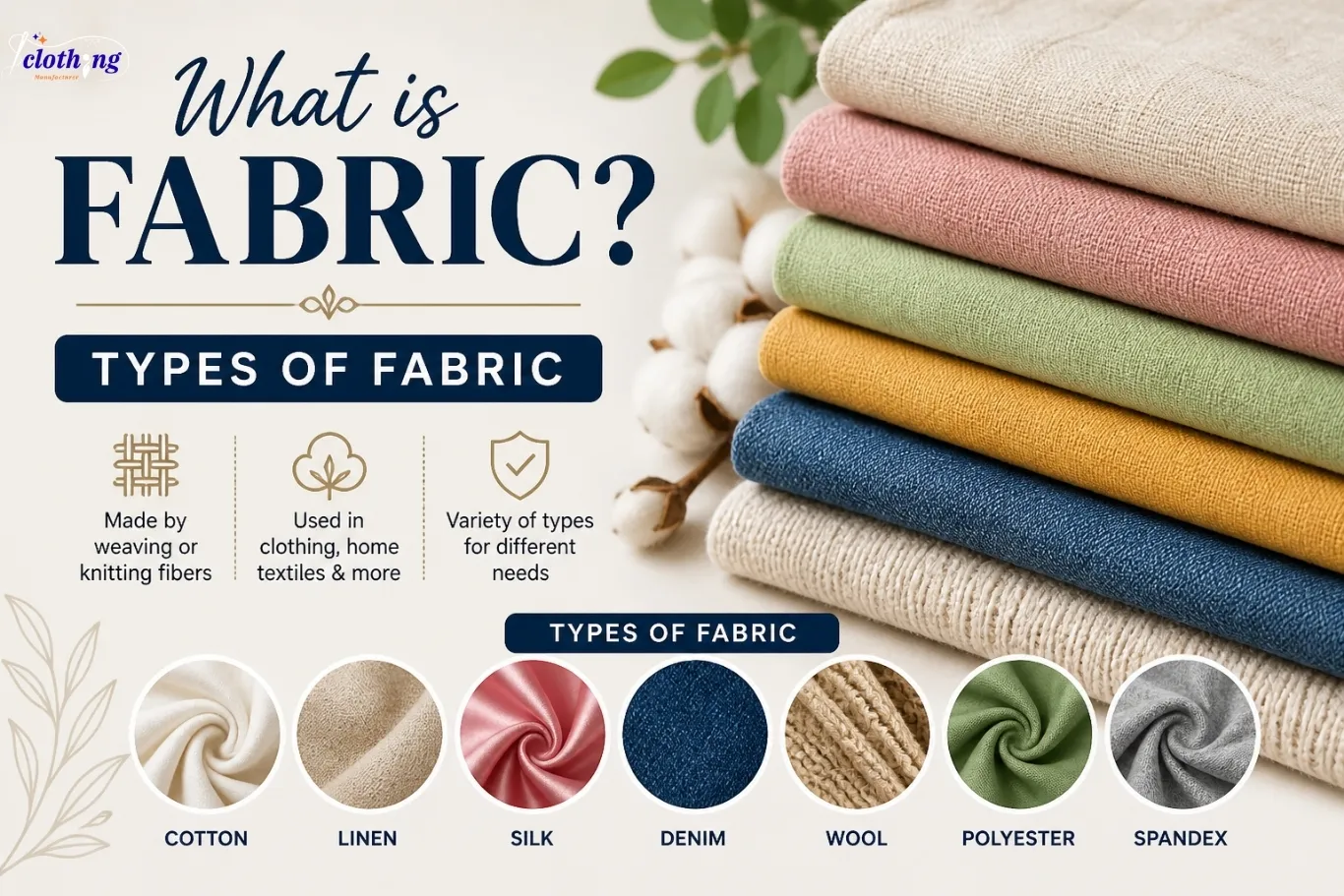
Fabric is the foundation of every garment. Discover the main types of fabric — cotton, polyester, fleece, denim and blends — how to read texture and GSM, and how to choose the right fabric for your clothing line.
Fabric is the foundation of every garment. Whether you are producing streetwear, sportswear, or casual clothing, the fabric you choose directly impacts your product's quality, comfort, durability, and customer satisfaction.
In modern apparel manufacturing, especially in the USA market, customers expect premium fabrics that feel soft, last long, and maintain their shape. Brands that ignore fabric quality often struggle with returns, poor reviews, and low customer retention.
If you are working with a streetwear clothing manufacturer USA, understanding fabric becomes even more critical because streetwear customers prioritize both design and material quality.
05 core materials
The five materials that form the backbone of modern apparel manufacturing.
Features: Soft, breathable, natural fiber, comfortable for daily wear.
Best For: T-shirts, hoodies, streetwear.
Why Choose: Perfect balance of comfort and durability.
Features: Durable, wrinkle-resistant, moisture-wicking.
Best For: Sportswear, activewear.
Why Choose: Ideal for performance garments.
Features: Warm, soft, insulating.
Best For: Hoodies and sweatshirts.
Why Choose: Premium feel for streetwear brands.
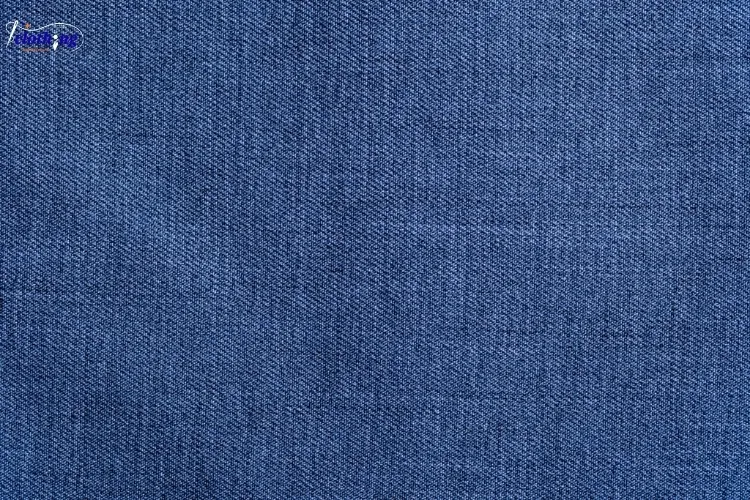
Features: Strong, rugged, long-lasting.
Best For: Jeans and jackets.
Why Choose: High durability and timeless style.
Features: Combines strengths of multiple fibers.
Best For: Versatile clothing.
Why Choose: Balanced performance and comfort.
Material quality, visually
Before selecting a fabric for your clothing line, it is important to understand how different materials look and feel. Texture plays a key role in how customers perceive quality, especially in the USA streetwear and apparel market.
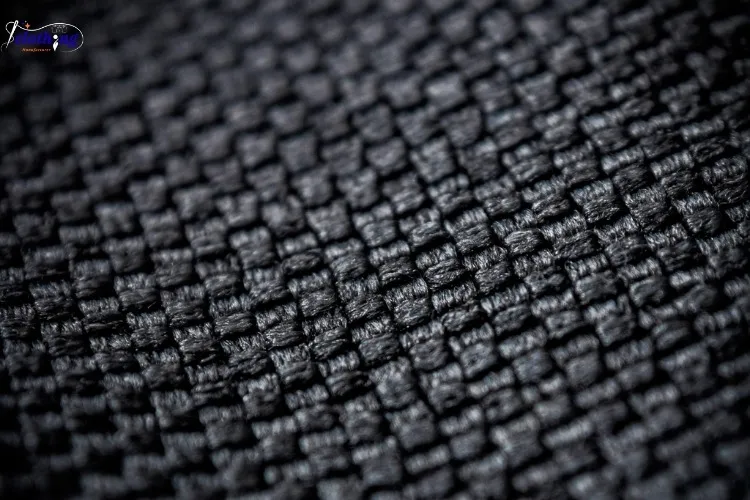
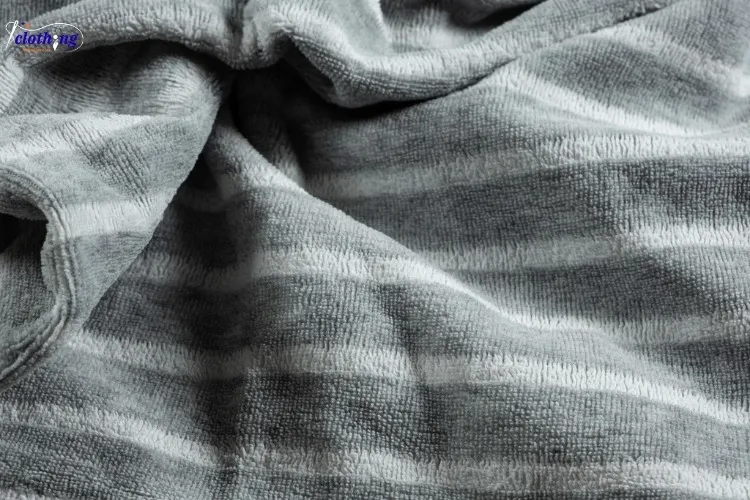
Cotton fabric has a soft, natural texture that feels comfortable against the skin. It is breathable and lightweight, making it ideal for t-shirts and everyday wear. Premium cotton with higher GSM provides a thicker and more luxurious feel, often used in streetwear hoodies.

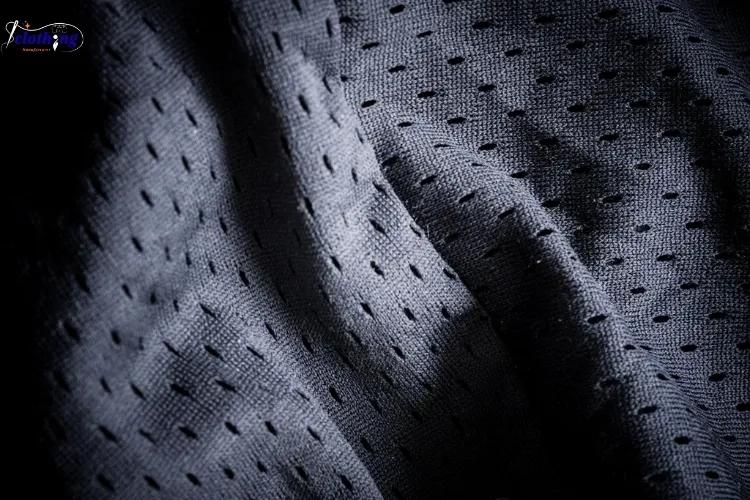
Polyester has a smoother and slightly synthetic feel. It is more structured compared to cotton and is designed for durability and moisture resistance. This makes it ideal for sportswear and performance apparel.
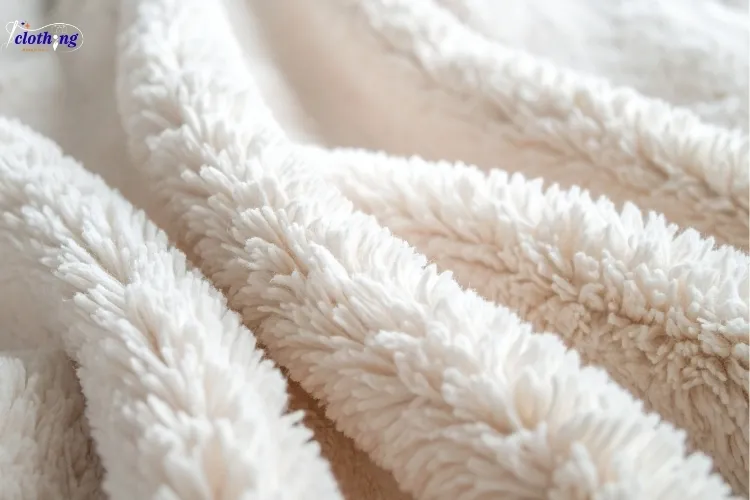
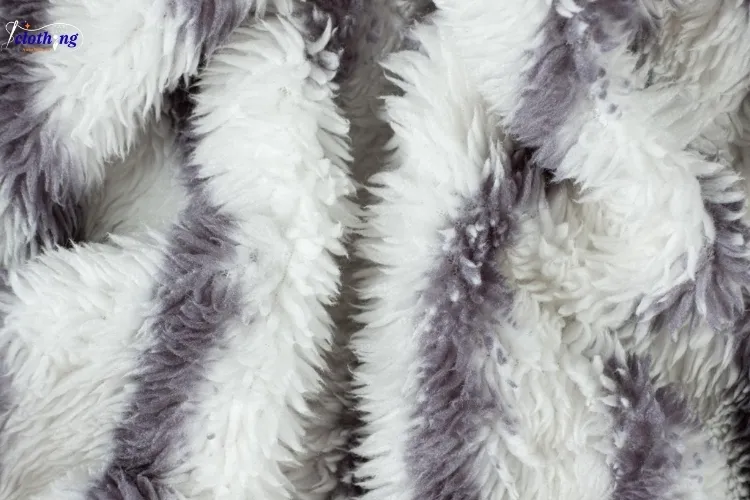
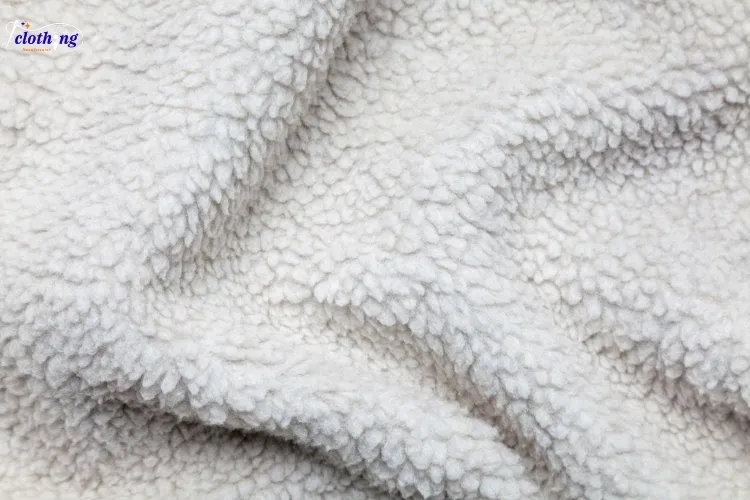
Fleece fabric is soft, warm, and slightly fluffy on the inside. It provides insulation and comfort, making it a top choice for hoodies and winter garments. High-quality fleece gives a premium streetwear feel.
Side by side
Choosing the right fabric is easier when you compare their properties side by side. Below is a detailed comparison of the most commonly used fabrics in clothing manufacturing.
| Feature | Cotton | Polyester | Fleece |
|---|---|---|---|
| Comfort | Very soft & breathable | Moderate comfort | Very soft & warm |
| Durability | Medium | High | High |
| Best Use | T-shirts, casual wear | Sportswear | Hoodies, winter wear |
| Breathability | Excellent | Low | Medium |
| Moisture Control | Low | High | Medium |
| Feel | Natural & soft | Smooth & synthetic | Fluffy & warm |
| Best Market | Streetwear & casual | Sportswear brands | Premium hoodies |
Premium materials in detail
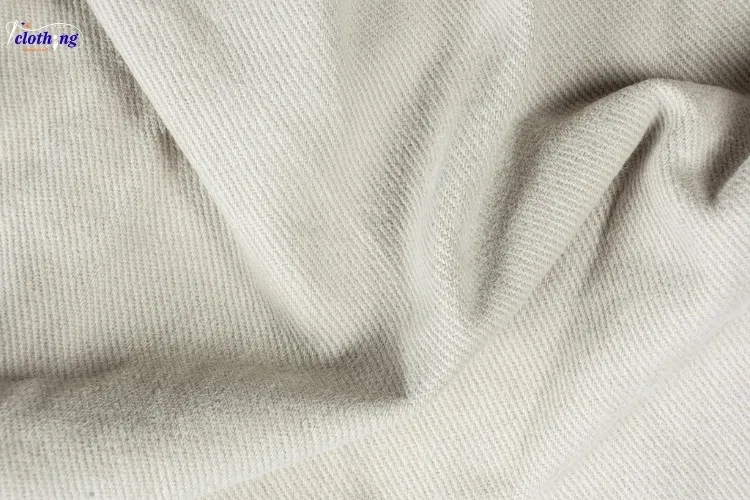
Explore high-quality fabric textures used in modern clothing manufacturing. These materials are carefully selected to meet USA market standards for comfort, durability, and premium feel.






Advanced guide
Selecting the right fabric is one of the most important decisions in clothing manufacturing. The wrong choice can result in poor product performance, while the right fabric can elevate your brand and improve customer satisfaction.
Streetwear brands in the USA market prefer heavyweight cotton (240–400 GSM) because it gives a premium feel and structure. Oversized hoodies and t-shirts made with thick cotton create a luxury streetwear look. Fleece is also widely used for hoodies because of its warmth and softness. Many premium brands combine cotton outer layers with fleece inner lining for maximum comfort.
For sportswear, polyester and spandex blends are the best choice. These fabrics provide stretch, durability, and moisture-wicking properties, making them ideal for gym wear, running apparel, and performance clothing. Unlike cotton, polyester does not absorb sweat, which helps keep the body dry during physical activities.
Cotton is the most popular choice for everyday clothing because of its softness and breathability. Lightweight cotton fabrics (120–180 GSM) are ideal for summer wear, while midweight fabrics are suitable for all seasons.
Fleece and wool blends are perfect for winter garments. These fabrics trap heat and provide insulation, making them essential for hoodies, sweatshirts, and jackets.
Luxury brands often use organic cotton, high GSM fabrics, and custom blends to differentiate themselves. These materials provide superior comfort and a high-end feel that customers are willing to pay for.
Choosing the wrong fabric can cost your brand time and money. Our experts help you select the perfect material based on your product, target market, and budget — starting at just 10 units MOQ.
Buyer's framework
Choosing the right fabric is not just about cost — it's about aligning material with product purpose, brand identity, and target audience expectations.
Fabric weight explained
GSM (grams per square meter) measures fabric weight and is one of the fastest ways to judge quality. Higher GSM fabrics are thicker, warmer, and feel more premium — commonly used in streetwear hoodies and heavyweight t-shirts. Lower GSM fabrics are lightweight and breathable, ideal for summer clothing.
Quick reference
Heavyweight cotton (300–400 GSM) or fleece for warmth and a premium feel.
100% cotton or cotton blends for softness and breathability.
Polyester and spandex blends for flexibility and sweat control.
Oversized cotton, fleece, and premium blends.
The bottom line
Fabric quality is one of the most critical factors in clothing manufacturing. Customers in the USA expect premium quality, and brands that fail to deliver often lose trust quickly.
High-quality fabrics improve product lifespan, enhance brand perception, and increase repeat purchases. On the other hand, poor fabric leads to shrinkage, fading, and negative reviews. This is why successful brands invest heavily in fabric selection and work with reliable manufacturers.
Our experts at CLOTHINGMANUFACTURER.US help you select the best fabric for your clothing line based on your target market and product type. Low MOQ of 10 units — WhatsApp us to start.
Answers
Fabric is the base material used to create garments, made by weaving or knitting fibers such as cotton, polyester, or blends. In clothing manufacturing, fabric determines product quality, comfort, durability, and overall brand perception, especially in competitive markets like the USA.
Heavyweight cotton (240–400 GSM) and fleece are the best fabrics for streetwear clothing. These materials provide a premium feel, durability, and structure that modern streetwear brands in the USA market demand.
To choose the right fabric, consider product type, target audience, climate, and brand positioning. For example, cotton is ideal for t-shirts, fleece for hoodies, and polyester for sportswear. Working with an experienced clothing manufacturer ensures better fabric selection.
GSM (grams per square meter) measures fabric weight. Higher GSM fabrics are thicker and more premium, commonly used in streetwear hoodies, while lower GSM fabrics are lightweight and suitable for summer clothing.
Cotton is widely used because it is soft, breathable, and comfortable. It works well for everyday clothing and is highly preferred in the USA apparel market for t-shirts and streetwear collections.
Yes, polyester is excellent for sportswear and activewear because it is durable, moisture-wicking, and wrinkle-resistant. It is commonly used in performance clothing where sweat control is important.
Fleece and heavyweight cotton are the best fabrics for hoodies. They provide warmth, comfort, and a premium feel, making them ideal for streetwear brands and winter apparel.
Fabric quality directly affects customer satisfaction, durability, and brand reputation. High-quality fabrics lead to better reviews, repeat customers, and stronger brand positioning in competitive markets.
Polyester and blended fabrics are the most durable, while denim also offers long-lasting performance. These fabrics resist wear and tear better than pure cotton.
Lightweight cotton and breathable fabrics are best for summer clothing because they allow airflow and keep the body cool in hot weather conditions.
Yes, blended fabrics combine the strengths of different materials, such as cotton and polyester, offering better durability, comfort, and performance for various clothing types.
Polyester and spandex blends are the best fabrics for sportswear because they provide flexibility, moisture control, and durability during physical activities.
Fabric plays a major role in brand identity. Premium fabrics create a high-end perception, while low-quality materials can harm brand reputation and customer trust.
Fleece is better for warmth and winter wear, while cotton is better for breathability and everyday comfort. The best choice depends on the product type.
Start by identifying your niche, selecting the right fabric for your products, and working with a reliable clothing manufacturer. Proper fabric selection ensures better product quality and market success.
Follow the work
Explore premium streetwear manufacturing, fabric quality insights, and real production work for USA clothing brands.