Factory-Direct MOQ from 10 Samples in 7–10 Days Worldwide DDP Shipping
Get a Quote →

Performance Fibre · Sportswear Development

Polyester Fabric for Clothing & Sportswear Manufacturing

Polyester fabric is a major base for sportswear, team uniforms, performance tops and sublimated garments, but “100% polyester” is still not a complete production specification. Knit structure, yarn, GSM, finish, stretch and heat behaviour determine how the finished garment performs.

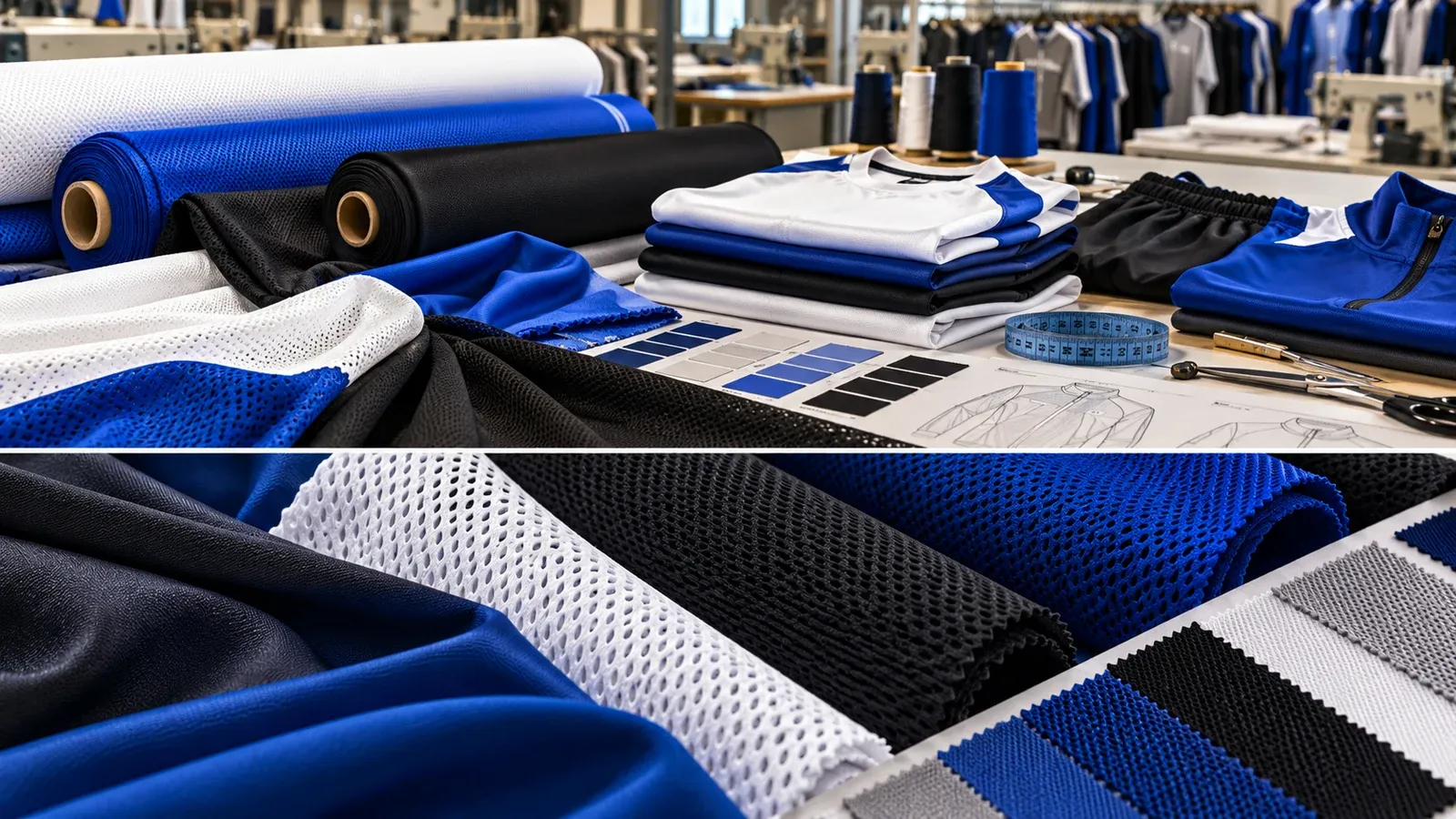
Polyester fabric for sportswear manufacturing with mesh, jersey and performance apparel samples
Typical performance range120–220+ GSM
Common structuresJersey · Interlock · Mesh · Bird-eye · Piqué
Best known forQuick drying · Shape retention · Sublimation
Key factory checksDye migration · Wicking · GSM · Heat setting

Direct answer

What Is Polyester Fabric?

Polyester fabric is made from synthetic polyester fibres, most commonly polyethylene terephthalate (PET), spun or filament-formed into yarn and then knitted or woven. In performance clothing, polyester is popular because it absorbs relatively little moisture, dries faster than typical cotton and can be engineered into lightweight, durable structures.

However, polyester should not automatically be described as “moisture wicking.” Wicking depends on yarn geometry, knit structure, capillary pathways and/or a verified moisture-management finish. A basic polyester knit and a high-performance wicking jersey can contain the same fibre percentage while behaving very differently.

For manufacturing, specify polyester by fibre content + yarn + construction + finished GSM + stretch + finish + print route. This is especially important for sublimation and dark-colour screen printing, where heat setting and dye migration can determine whether decoration succeeds.
Factory rule: Never approve a fabric by fibre name and GSM alone. Record construction, finished weight, colour, finish, performance requirements and an approved physical swatch.
Material options

Types & Constructions Brands Should Know

The same search term can describe several different commercial fabrics. Choose the version that matches the garment, decoration and wear conditions.

Polyester single jersey

Lightweight, smooth and economical for training tees, event tops and sublimated apparel. Surface and gauge affect print clarity and snag resistance.

Polyester interlock

A denser double knit with smooth faces and better opacity/shape retention than light jersey. Common for team jerseys, polos and premium sports tops.

Bird-eye / mini-mesh

Engineered knit textures create visible micro-openings and are widely used for breathable sports shirts and uniforms.

Athletic mesh

Open structures maximise airflow and are used for jersey bodies, side panels, bibs and ventilation zones.

Poly-spandex

Elastane adds stretch and recovery for fitted training tops, leggings, cycling pieces and compression products. Stretch percentage alone is not enough; recovery and direction must also be specified.

Recycled polyester

rPET can be used in many jersey, interlock and mesh constructions. Recycled-content claims should be supported by order-specific documentation where required.

Weight planning

GSM Guide for Polyester Fabric

GSM is a useful control point, not a quality grade. Compare it with fibre, yarn, structure and finish. Learn more in our GSM fabric guide or use the GSM Calculator.

Finished GSMTypical positionCommon product direction
90–130 GSMVery light mesh / jerseyTraining bibs, mesh panels, hot-weather pieces
130–160 GSMLight performanceFootball jerseys, event shirts, sublimated teamwear
160–190 GSMCore sportswearTraining tops, polo/interlock programs, team uniforms
190–230 GSMStructured performancePremium interlock, heavier polos, some tracksuit tops
230 GSM+Heavy technical knitSelected warm-ups, structured sports garments and stretch constructions; confirm breathability and end use

Ranges are practical development guides, not universal standards. Mill construction, yarn, gauge, finishing and end use can move the appropriate weight.

Product development

What Can Be Manufactured in This Fabric?

Fabric selection should start from the finished product. The cards below connect material decisions with the garment programs buyers actually order.

Team jerseys

Polyester interlock, jersey and mesh are common because they support lightweight construction and full-colour sublimation.

Training T-shirts

Light jersey or bird-eye knits can deliver quick drying and airflow; moisture-management performance should be tested, not assumed.

Tracksuits

Polyester knits and woven shells can be used depending on whether the target is warm-up, fashion trackwear or technical outer-layer performance.

Polo shirts

Performance polyester piqué or interlock suits golf, corporate and team polos where easy care and quick drying are priorities.

Shorts & bottoms

Mesh, interlock, jersey and stretch blends are chosen based on opacity, movement, lining and abrasion needs.

Sublimated uniforms

100% polyester is the standard base for vivid dye-sublimation because the dye bonds with polyester under heat.

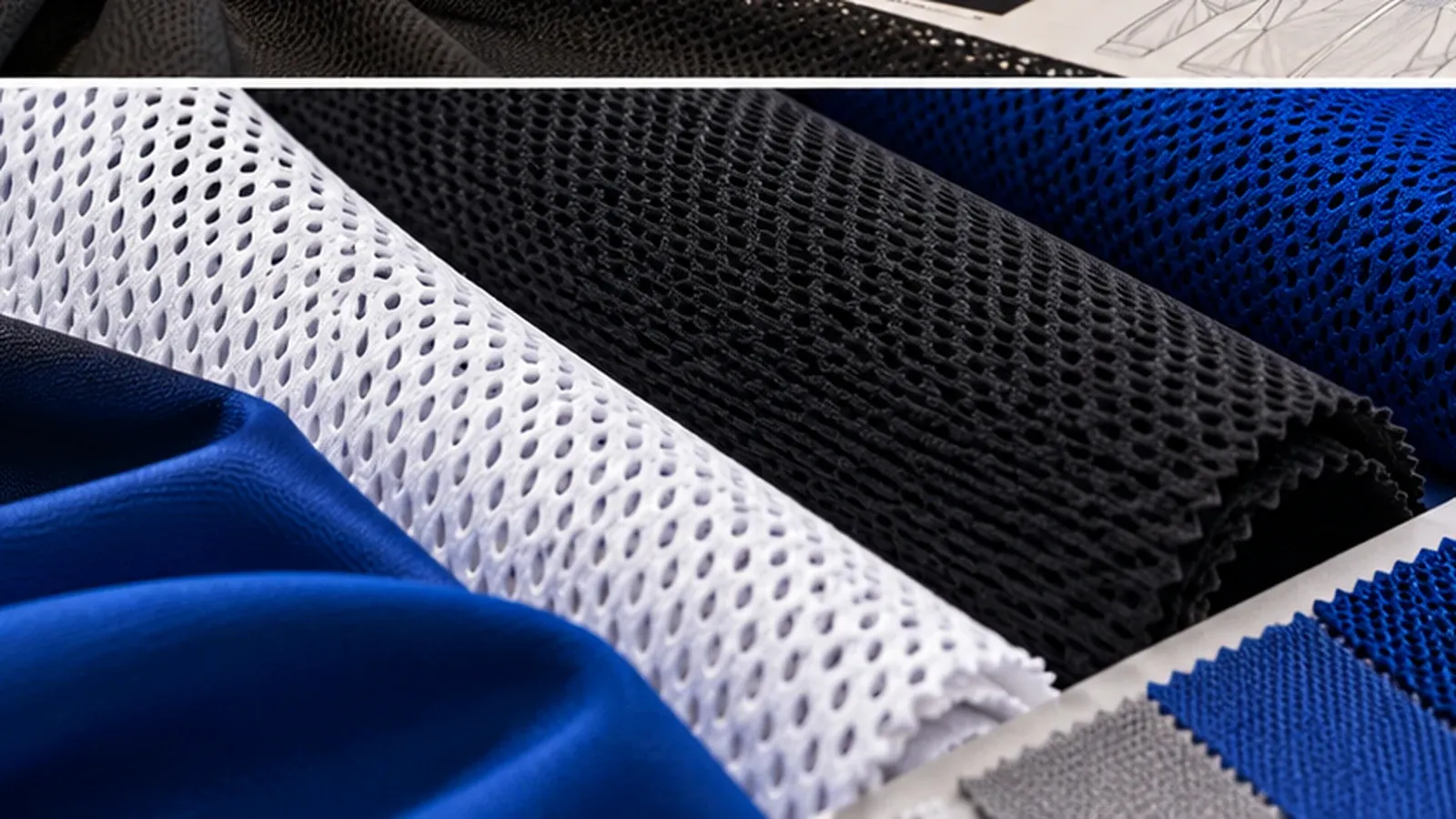
Polyester performance fabric textures including mesh, interlock and sports jersey knit
Macro material view for structure, surface and trim planning.
Factory specification

How to Brief a Manufacturer

A useful fabric brief makes the material repeatable. Reference swatches help, but the factory also needs measurable information that can survive a reorder months later.

Start with fibre content and construction. Then lock finished GSM, colour standard, width, surface/finish, stretch if relevant, dimensional-stability expectations and the intended decoration method. If the garment will be washed after sewing, approve measurements after the actual wash process.

Also state which properties are critical to the product: opacity for white uniforms, pilling for fleece, recovery for rib, dye migration for polyester, collar stability for piqué or spirality for single jersey. This turns a visual idea into a production specification.

Example tech-pack wording

Write the Fabric Line Like This

100% polyester performance interlock · 160 GSM finished ± agreed tolerance · moisture-management finish only if verified · sublimation-prepared / heat-set · width recorded · target dimensional stability confirmed · colour fastness / migration requirements agreed · print strike-off approved before bulk.

Decoration compatibility

Printing, Embroidery & Finishing

Decoration must be sampled on production-equivalent fabric. Surface texture, fibre chemistry, stretch and heat history can change print and embroidery results.

Sublimation

The strongest manufacturing match for polyester when full-colour or all-over graphics are required. White or light prepared fabric normally gives the cleanest colour reproduction.

Screen printing

Possible, but dark polyester can suffer dye migration when heat reactivates disperse dyes. Low-bleed / blocker systems and controlled cure temperatures may be required.

DTF / transfers

Works on many polyester products, but heat sensitivity and dye migration should be strike-off tested on the exact fabric and colour.

Embroidery

Suitable on interlock, piqué and structured knits. Very light mesh may need backing and digitising adjustments.

Heat setting & finishing

Heat history matters in polyester. Incorrect settings can change width, hand, shrinkage, shade or later print behaviour.

See our clothing printing hub for screen printing, DTF, DTG, sublimation, puff, water-based and reflective methods.

Bulk control

Quality Checks Before Cutting

Approve fabric before it becomes hundreds of garments. These checks reduce shade, fit, wash and decoration surprises in bulk production.

Moisture managementIf wicking is claimed, verify the chosen construction/finish with an agreed test method rather than relying on fibre content.
Dye migrationTest dark dyed polyester with the intended decoration and cure route.
Sublimation colourApprove printed strike-offs on bulk-equivalent fabric, including deep colours and gradients.
Snag / abrasionImportant for open mesh and filament surfaces used in contact sports or uniforms.
Dimensional stabilityHeat and wash conditions can move dimensions; approve after the actual finishing route.
Stretch & recoveryFor poly-spandex, specify stretch direction, extension and recovery expectations.
Material decisions

How It Compares With Other Fabrics

Comparison queries are useful because brands rarely choose a fabric in isolation. The correct answer depends on product, climate, fit, decoration and target price.

ComparisonManufacturing takeaway
Polyester vs cottonPolyester absorbs less moisture and usually dries faster; cotton generally offers a more natural hand and higher absorbency. Neither fibre alone determines breathability.
Polyester jersey vs interlockJersey is lighter and more flexible; interlock is denser, smoother on both sides and often more opaque.
Polyester vs recycled polyesterPerformance can be engineered similarly, but recycled-content documentation and supply-chain verification become part of the specification.
Mesh vs interlockMesh prioritises airflow; interlock prioritises surface smoothness, opacity and structure. Many jerseys combine both by panel.
Commercial planning

Sourcing, MOQ & Cost Factors

Fabric cost is part of garment cost, but it is also one of the biggest quality levers. Approve the material system before chasing the lowest per-piece quote.

Polyester cost and performance are driven by more than fibre percentage. Filament type, yarn count, knit gauge, GSM, width, dye route, finish and whether the fabric is prepared for sublimation all change the result. Sportswear buyers should approve the actual construction, not only a supplier swatch labelled “dry fit”.

For sublimated programs, include print testing in fabric approval. The fabric can pass a hand-feel inspection but still produce dull colour, ghosting or heat distortion. For dark dyed garments with transfers or screen print, test migration before bulk because colour movement may appear after heat exposure.

For clothingmanufacturer.us/ orders: our standing production MOQ is 10 MOQ per color per style and up to 3 sizes. Fabric availability, custom dyeing, custom knitting and special trims can create separate material minimums, so we confirm them during quotation and sampling.
Claims & responsibility

Sustainability, Certification & Material Claims

Only claim what the order can document. Fibre composition, recycled content and certified sourcing are separate from the visual name of a fabric.

Recycled polyester can reduce reliance on virgin feedstock, but “recycled” should be supported by relevant documentation when used as a marketing or compliance claim. The percentage of recycled content, certification scope and material transaction evidence should match the specific order if your market or customer requires verification.

Durability also matters. A performance garment that keeps shape, colour and print through repeated use may offer better service life than a poorly engineered alternative, regardless of fibre label.

For industry testing concepts and textile methods, see AATCC. Certification availability should always be verified for the specific fabric/order before marketing a claim.

Buyer questions

Frequently Asked Questions

Short answers for product developers, sourcing teams and clothing brands comparing fabric options.

Is polyester fabric good for sportswear?

Yes. Polyester can be lightweight, durable, quick drying and suitable for jersey, interlock, mesh and other performance constructions.

Is all polyester moisture wicking?

No. Low moisture absorption helps faster drying, but true moisture-management behaviour depends on construction, yarn and/or finishing and should be verified.

What polyester fabric is best for sublimation?

100% polyester jersey, interlock or suitable mesh prepared for sublimation is the normal starting point. Approve a print strike-off on the exact bulk fabric.

What GSM is good for sports jerseys?

Many team jerseys use roughly 130–180 GSM polyester, while premium interlock or polo constructions can be heavier. Construction and climate matter as much as GSM.

Can polyester be screen printed?

Yes, but dark polyester may show dye migration during heat curing. Use the correct ink system and test the exact colour/fabric.

What is polyester interlock used for?

It is commonly used for team jerseys, sports tops, polos and uniforms where a smooth, stable, more opaque knit is useful.

Can recycled polyester be sublimated?

Many recycled polyester fabrics can be sublimated, but colour, heat behaviour and supplier documentation should be approved for the actual material.

Can clothingmanufacturer.us/ make polyester sportswear?

Yes. We develop custom sportswear, jerseys, tracksuits, polos and performance apparel with fabric, fit, print, branding and packaging specified for the program.

Continue researching

Related Fabric Resources

Use the fabric hub to compare neighbouring materials before you lock a production specification.

Develop your product

Turn the Fabric Specification Into a Finished Garment.

Send your tech pack, reference garment or product idea. We can help confirm a practical fabric construction, GSM, fit, decoration route, labels and packaging before bulk production.