How to Start a Cut and Sew Clothing Company: The Ultimate Guide
A cut and sew clothing company designs a garment, then pays a factory to cut the fabric and sew it into a finished product — no sewing machine of your own required. If you want to start a cut and sew clothing company, this guide explains what it is, how it works, and the seven steps that take you from idea to your first production run.
What Is a Cut and Sew Clothing Company?
A cut and sew clothing company is a clothing brand or manufacturer built around one specific production method: fabric is purchased first, then cut into pattern pieces and sewn into a finished garment — as opposed to knitting a garment directly from yarn, or simply printing on a blank that already exists. If you are learning how to start a cut and sew clothing company, this production model is the foundation of most private label and startup apparel brands. The U.S. Bureau of Labor Statistics classifies apparel manufacturing around this exact split: cut-and-sew production from purchased fabric versus knit-to-shape production, which is also how the U.S. Census Bureau's NAICS 315280 code ("Other Cut and Sew Apparel Manufacturing") defines the category.
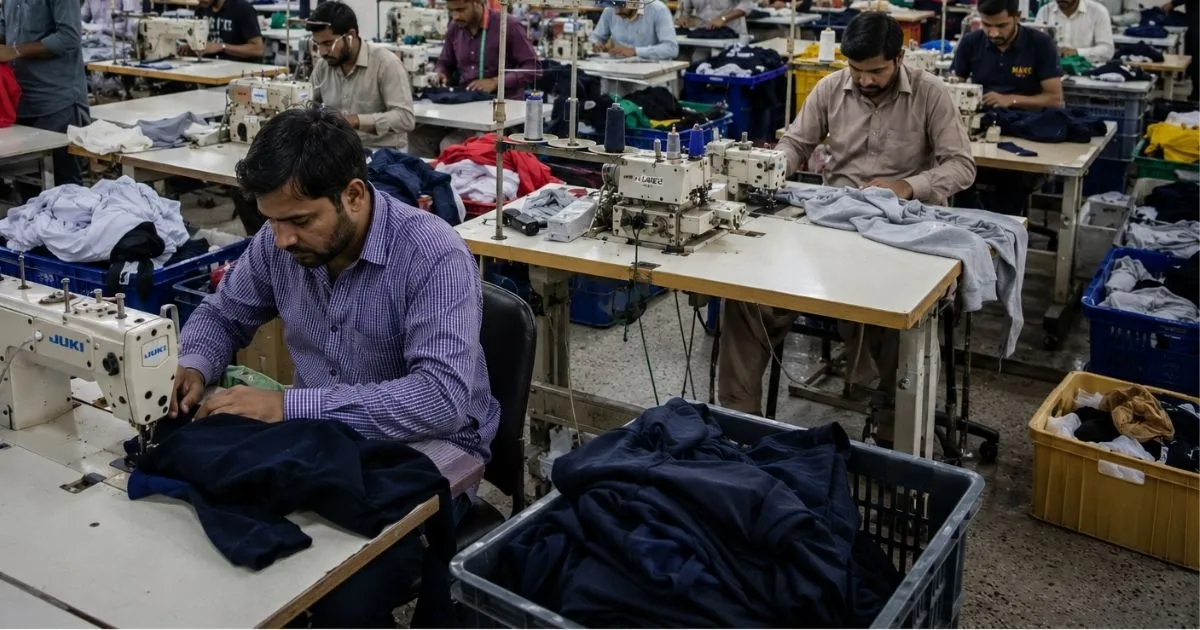
In everyday use, "cut and sew company" gets used two ways, and it's worth knowing the difference. It can mean the factory — the workshop physically cutting fabric and operating the sewing machines, also called a cut and sew manufacturer or cut and sew contractor. Or it can mean the brand — the entrepreneur who designs the garment, sources fabric, and pays a factory to produce it, without owning any production equipment at all. Almost every independent clothing label that isn't reselling blank T-shirts is a cut and sew company in this second sense, and that's the version this guide is about.
Cut and Sew vs. Other Manufacturing Models
Before you start a cut and sew clothing company, it helps to know what you're choosing it over. Three models get compared most often:
| Model | Who Designs It | Typical MOQ |
|---|---|---|
| Cut and Sew | You supply the design, pattern & fabric spec; the factory cuts and sews it | Low — often 10–50 units per style |
| Private Label | Factory offers existing patterns; you add your own branding, labels & packaging | Low to moderate |
| Full-Package Production | Factory handles design support, sourcing and production end to end | Moderate to high |
| Blank / Wholesale Sourcing | You buy pre-made blanks and add a print or embroidery yourself | Single units |
Most new brands actually blend the middle two: a private label clothing program with cut and sew customization on top, so the garment is genuinely yours (fit, fabric, construction) while the factory still handles tags, hang tags and packaging. If you already know you'll be ordering in volume, it's also worth comparing cut and sew pricing against a wholesale clothing supplier arrangement, where per-unit costs drop further at 300+ units.
How to Start a Cut and Sew Clothing Company: 7 Steps
Once you know what a cut and sew clothing company is and how it compares to the alternatives, starting one comes down to seven practical steps that help you launch without costly mistakes.
Define Your Brand and Product Line
Pick a niche and a first, small product line — three to six styles is plenty for a launch. Trying to cover every category on day one is the fastest way to spread a small budget too thin across too many samples. If you're formalizing the business itself at the same time, the U.S. Small Business Administration's 10-step guide covers registration, structure and licensing in parallel with the steps below.
Build a Tech Pack and Choose Your Fabric
A tech pack is the spec sheet a manufacturer cuts from: measurements by size, construction notes, stitch type, trims and a fabric callout with GSM (fabric weight). Without one, "your" garment ends up being whatever the factory assumes you meant. Fabric choice follows from use case — combed cotton or French terry for everyday wear, heavier fleece for outerwear, performance polyester for activewear.
Decide Your Manufacturing Model
Revisit the comparison above and pick a lane: straight cut and sew if the design is fully custom, or cut and sew layered with a private label program if you also want retail-ready tags and packaging handled for you. This decision affects your MOQ, your timeline and your per-unit cost, so it's worth locking in before you request quotes.
Find and Vet a Cut and Sew Manufacturer
This is the step most new brands underestimate. Ask any cut and sew manufacturer for their real MOQ (not the number in their ad), their sample lead time, and whether AQL-inspected quality control runs on every order or only on request. A genuinely low MOQ clothing manufacturer will quote 10–50 pieces per style without pushing you toward 500 to make the order "worth it" for them — a real signal of whether they work with startups regularly or only occasionally.
Order a Sample and Approve It
No cut and sew order should go to bulk without a physical, pre-production sample first — typically 7–10 business days from a factory that already has your tech pack. Check fabric weight and hand-feel, stitch quality, fit against your measurements, and label placement. Treat the first sample as a draft: one revision round is normal, not a red flag.
Calculate Your Costs and Set Pricing
Factory-direct cut and sew pricing typically runs from around $4–6 per basic tee up to $15–25 for a tracksuit set, depending on fabric and complexity — use a cost calculator to model your specific styles before ordering. A common (though not universal) starting point for retail pricing is roughly 2.5–3x your landed per-unit cost, which leaves room for a wholesale tier as well as direct-to-consumer sales.
Place Your First Bulk Order and Launch
Once the sample is approved, bulk production for a small cut and sew run typically takes 2–4 weeks, plus shipping. If you're ordering internationally, ask specifically for DDP (Delivered Duty Paid) terms — duties and customs are settled before the order ships, so there's no surprise invoice waiting at the border when your first inventory finally lands.
How Much Does It Cost to Start a Cut and Sew Company?
Costs split into two buckets: getting to an approved sample, and funding your first bulk order.
Sampling: most cut and sew manufacturers charge a sample fee per style, usually credited back against your bulk order once you proceed — budget for 3–6 sample styles if you're still narrowing down your first line.
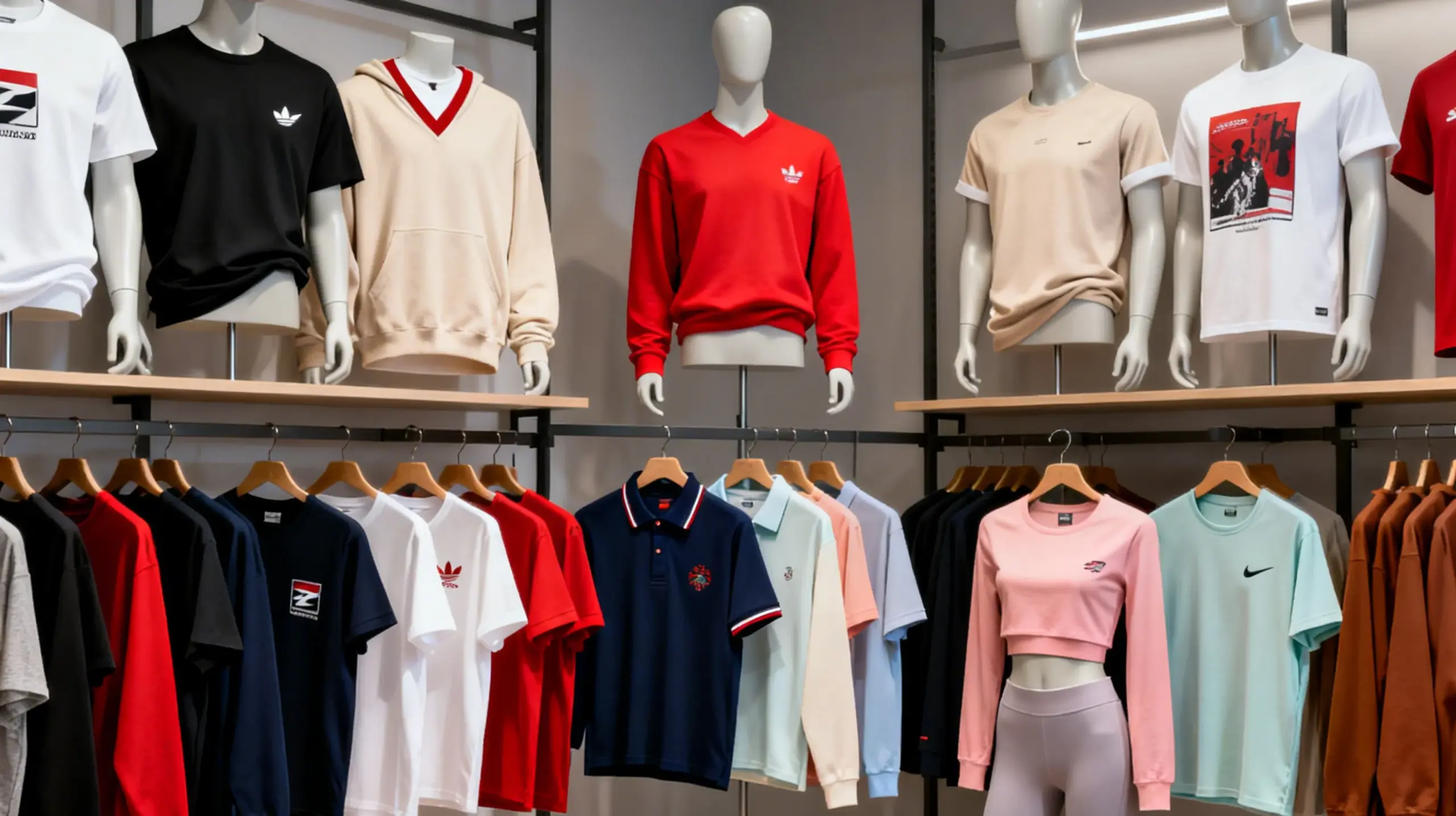
Bulk production: at a 10-unit-per-size-and-color MOQ, a small first order across three styles (a tee, a hoodie and a crop top, for example) can realistically land in the low-to-mid four figures including fabric, labor, private label and shipping — well below the budget a 500-unit full-package minimum would require. Run your exact styles and quantities through a clothing cost calculator before committing, since fabric choice and print/embroidery complexity move the number quickly.
The number one budgeting mistake new cut and sew brands make isn't underestimating per-unit cost — it's forgetting to budget for a second sample round. Leave room for at least one revision before bulk.
Domestic vs. Overseas Cut and Sew Manufacturers
Searches for cut and sew manufacturers USA usually come from brands worried that overseas production means slower communication and murky quality control — and sometimes it does. But the trade-off isn't as one-sided as it looks:
Domestic (USA) manufacturers offer shorter shipping distances and easier in-person visits, but MOQs and per-unit costs both tend to run higher, since labor costs are priced in USD from the start.
Overseas factory-direct manufacturers — in hubs like Sialkot, Pakistan or parts of South and Southeast Asia — can offer real 10-unit MOQs and per-unit costs 40–60% below domestic pricing for comparable quality, provided the factory offers direct communication (not through a layer of agents), AQL-inspected quality control, and DDP shipping so customs friction is handled before your order ships rather than after it arrives.
The honest answer is that "domestic vs. overseas" matters less than "direct vs. through an agent." A factory-direct clothing manufacturer serving USA brands from overseas, with one named contact on WhatsApp and photographed QC at every stage, closes most of the communication gap that used to make overseas sourcing risky.
Common Mistakes New Cut and Sew Brands Make
- ✕Skipping the sample to save timeThe single most expensive shortcut in cut and sew manufacturing — a fit or fabric problem caught at bulk instead of at sample can wipe out an entire first order.
- ✕Choosing the cheapest quote over the best fitThe lowest per-unit price often hides a higher MOQ, a longer sample lead time, or looser quality control. Compare all three together, not price alone.
- ✕No tech pack, just reference photosReference images communicate style, not construction. Without measurements and stitch notes, two factories can interpret the same photo completely differently.
- ✕Ignoring real MOQ mathA "50-unit MOQ" usually means 50 per size and colorway, not 50 total — always confirm the actual unit split before you commit to a run.
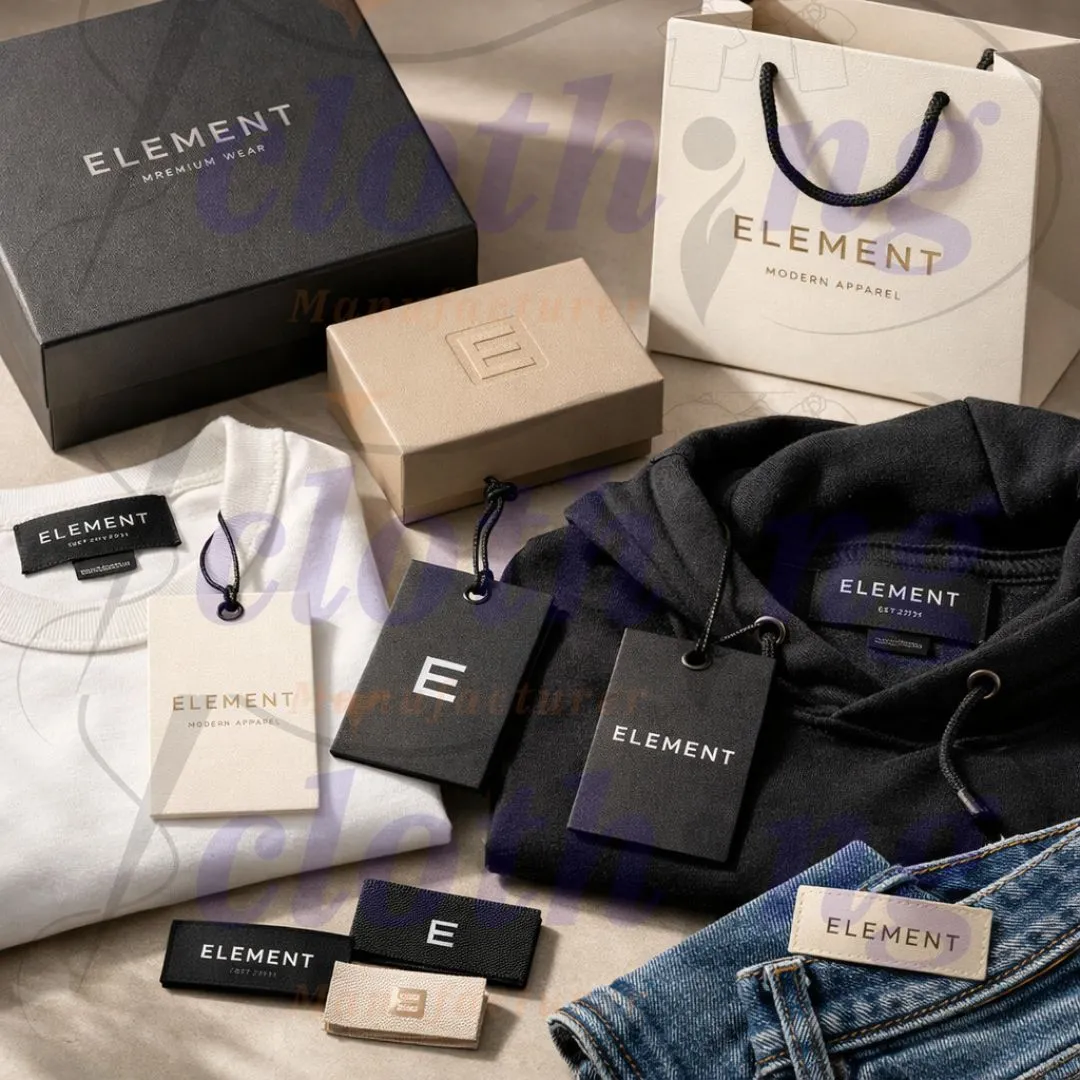
- ✕Treating private label as an afterthoughtWoven labels, care tags and packaging take lead time too. Fold them into your private label plan from the first sample, not after bulk is already cut.
Cut and Sew Clothing Company FAQs
Cut and sew is a garment production method where fabric is purchased first, then cut into pattern pieces and sewn into a finished product — as opposed to knitting a garment directly from yarn or printing on a pre-made blank.
A cut and sew manufacturer is the factory that physically cuts fabric to a pattern and sews it into a garment on behalf of a brand, typically working from a client-supplied tech pack and fabric specification.
Start with your product category and required MOQ, then request quotes from a short list and compare sample lead time, quality control process (AQL inspection is the industry standard), and whether communication is direct with the factory or routed through an agent. See our manufacturing services for what to expect from a quote.
It varies widely by factory — anywhere from 10 to 500+ pieces per style. A genuinely low-MOQ cut and sew manufacturer will work in the 10–50 unit range per size and color, which is enough to test a design without a large upfront inventory commitment. See our MOQ guide for more detail.
Cut and sew describes the production method (fabric cut and sewn to your spec); private label describes the branding layer (your tags, labels and packaging on the finished product). Most independent brands use both together — a fully custom cut and sew garment, privately labeled as their own.
A small first order across a few styles at a low MOQ can realistically fall in the low-to-mid four figures including sampling, production, private label and shipping — well below what a 500-unit full-package minimum would require. Run your exact styles through a cost calculator for a real number.
Related Guides & Services
Start Your Cut and Sew Clothing Company
Skip the search — get a free itemized quote from a factory-direct cut and sew manufacturer with a real 10-piece MOQ, in 24 hours.