

French Terry Hoodie: Fabric, GSM & Fit Guide
A french terry hoodie uses loopback knit fabric with a smooth outer face and unbrushed loops on the inside. That construction usually feels less insulated than brushed fleece and can work well for year-round streetwear, layering and transitional-season hoodies.
See the GSM Guide →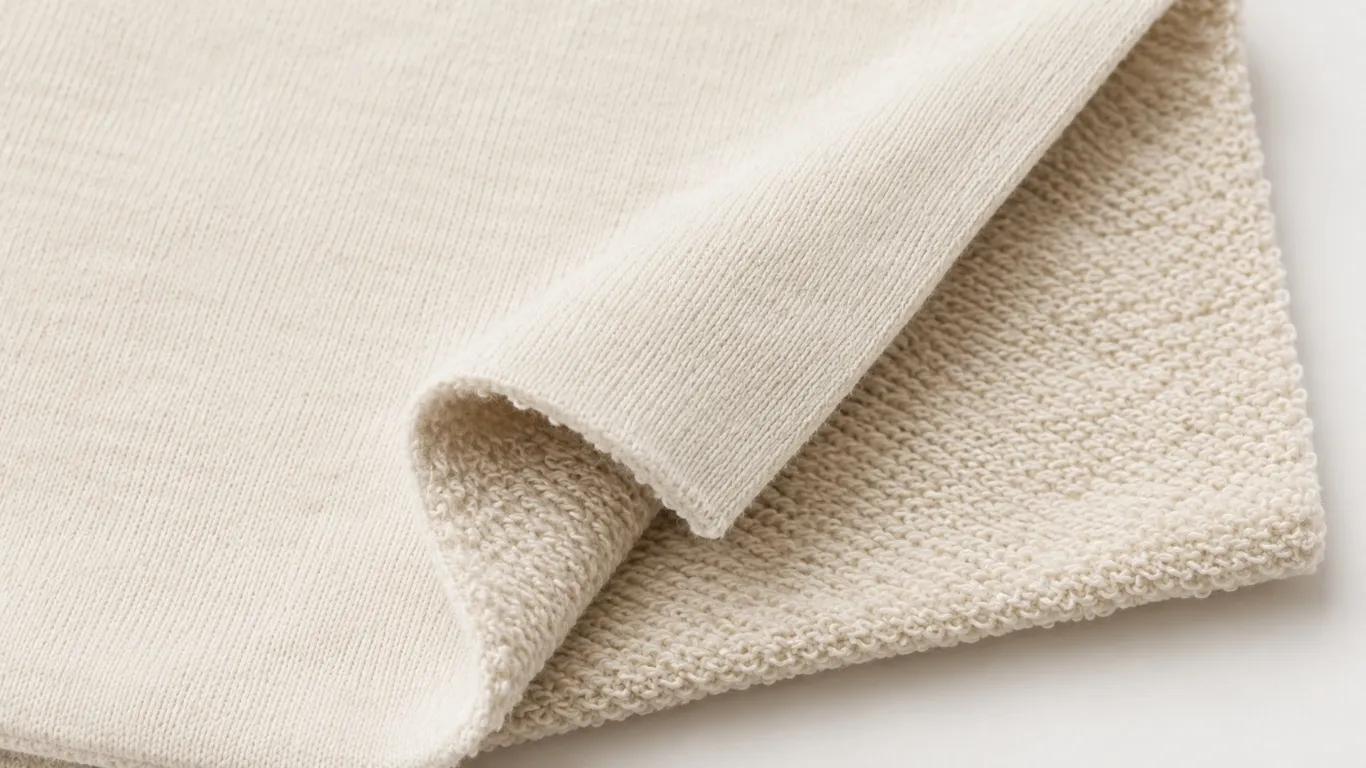
What Is a French Terry Hoodie?
A french terry hoodie uses a knitted fabric with a smooth face and visible loopback texture on the inside. Unlike brushed fleece, those loops are not raised into a soft nap. The finished hoodie therefore tends to feel cleaner and less insulated, with a more breathable hand that works well for layering and transitional seasons.
GSM is important, but it is not the only decision. Two french terry hoodies at the same GSM can feel different because of fibre composition, knit density, finishing, wash treatment, fit and construction. For a product-development decision, treat GSM as one part of the specification rather than a standalone quality score.
For the fabric itself—loop construction, fibre behaviour and sourcing—use our French terry fabric guide. This page stays focused on how that fabric behaves when it becomes a hoodie.
On This Page
French Terry Hoodie GSM Guide — What Changes as Weight Increases?
GSM measures fabric weight per square metre. On a finished french terry hoodie, higher GSM usually adds body and structure, but the final feel also depends on composition, knit density, wash treatment and pattern. Use the ranges below as product-development guidance rather than a universal industry grading system.
| Planning Range | Typical Hoodie Feel | Useful For | What to Confirm Before Sampling |
|---|---|---|---|
| 240–300 GSM | Light, flexible, easy to layer | Warm climates, lightweight zip-ups, transitional pieces | Opacity, drape, rib weight and pocket stability |
| 300–360 GSM Versatile | Balanced body with comfortable drape | Year-round hoodies, branded basics, relaxed fits | Fit, shrinkage plan, hood weight and decoration method |
| 360–420 GSM | More structured and substantial | Premium streetwear, oversized fits, cooler seasons | Seam bulk, rib recovery, pocket construction and hood balance |
| 420 GSM+ Heavy | Dense, deliberate heavyweight feel | Specialist heavyweight programs and statement silhouettes | Pattern balance, finished garment weight, trims and decoration compatibility |
If your product brief specifically calls for a very dense or heavyweight hoodie, use our heavyweight hoodie manufacturer page for the commercial production route. For the underlying measurement itself, see what GSM means in fabric.
French Terry Hoodie Fabric Choices: Cotton vs Blends
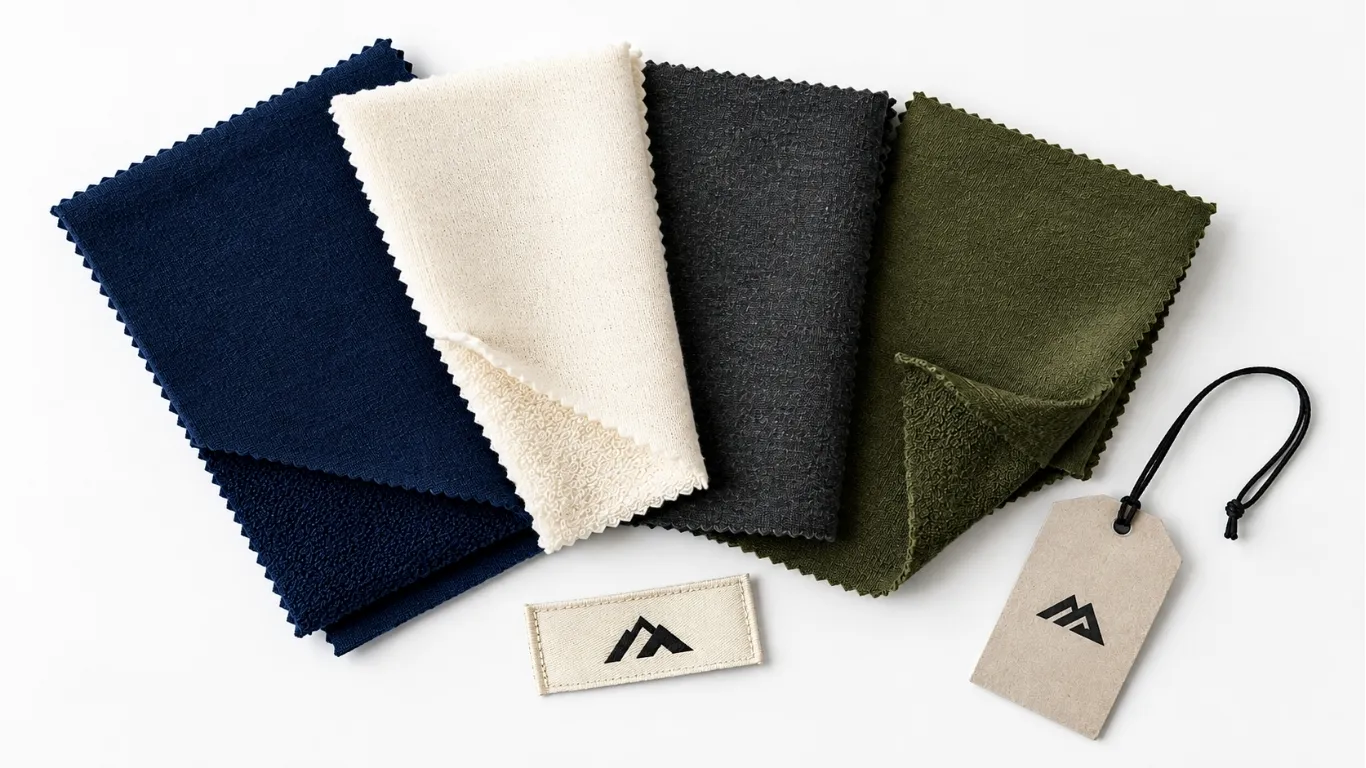
The fibre blend changes how the hoodie feels, moves, dries and responds to washing. Exact shrinkage and performance should be confirmed on the selected fabric rather than assumed from fibre content alone.
100% Cotton French Terry
Often chosen for a natural hand feel and breathable loopback construction. Cotton can move more during washing than a stable blend, so the sample and approved wash method should be used to confirm finished measurements before bulk.
Cotton / Polyester Blend
A blend can improve shape retention and drying behaviour while keeping much of the cotton feel. The exact result depends on the blend ratio, yarn and finishing, so compare the actual swatch rather than choosing by percentage alone.
Soft-Hand Cellulosic Blends
Modal, viscose or similar fibres can create a softer drape, but sourcing, durability and care behaviour vary widely. Use them when the product brief requires a fluid hand rather than assuming they are automatically “more premium.”
French Terry with Elastane
A small amount of elastane can add stretch and recovery for fitted, cropped or athletic-inspired silhouettes. Stretch should be specified together with recovery and finished measurements so the garment does not relax out of shape.
French Terry Hoodie vs Fleece Hoodie — Which Should You Order?
French terry and fleece look similar on the outside but have meaningfully different constructions, performance characteristics, and customer perceptions. If you're deciding which to put into production, the comparison below maps the differences across the factors that matter for a brand sourcing custom hoodies.
French Terry Hoodie
Fleece Hoodie
French terry and brushed fleece start from different interior finishes, so a direct “same GSM = same warmth” comparison is not reliable. French terry leaves the loops visible; fleece raises the inside surface into a nap. In practice, french terry is usually chosen when breathability, layering and a cleaner loopback interior matter, while brushed fleece is commonly chosen when insulation and a softer inside surface matter more.
For commercial hoodie production, use our hoodie manufacturer for USA brands page. This guide stays focused on choosing the right French-terry product specification rather than selling the manufacturing service.
How to Specify a French Terry Hoodie Before Sampling
A useful tech pack does more than list “French terry” and a GSM number. It defines the decisions that change the finished garment: fabric construction, measurements, hood shape, rib, pocket build, shrinkage plan, decoration and branding.
Define the Fabric Construction
State that the garment uses French terry / loopback fabric, then add composition, target GSM, colour and any required finish or wash. If the actual fabric has already been approved, reference the swatch or supplier code.
Approve Fit & Measurements
Regular, relaxed, boxy, oversized, cropped and fitted hoodies can all use French terry. Add a measurement chart rather than relying only on a fit word, because the same “oversized” label can describe very different proportions.
Specify Hood, Rib & Pocket Construction
Confirm hood depth, single- or double-layer construction, drawcord details, rib composition, cuff/hem depth and pocket type. These details affect how the loopback fabric carries weight and recovers after wear.
Build Shrinkage Into the Approval Process
Do not assume a universal shrinkage percentage from “100% cotton” or “pre-shrunk” wording. Approve the actual material and wash treatment, then compare measurements before and after the agreed test or wash condition if shrinkage is critical to sizing.
Match Decoration to the Surface
Screen print, DTF and embroidery can all work on French terry, but the result depends on the fabric face, artwork, placement and stabilization. Large embroidery or dense applications should be sampled on the actual fabric.
Approve the Sample Before Bulk
Use the sample to check hand feel, measurements, hood balance, seam bulk, decoration and branding together. Samples typically take 7–10 days. Bulk production generally takes 2–4 weeks after sample approval, depending on quantity, fabric, decoration and order complexity. Shipping time is additional.

French Terry Hoodie Fit, Season & Construction Checklist
Use this checklist before you request a sample so the garment brief is specific enough to compare materials and suppliers.
Season & Climate
Decide whether the hoodie is for warm-weather layering, year-round basics or cooler-season use. That choice should guide GSM and construction rather than starting with a number alone.
Fit Direction
Define body length, chest width, shoulder, sleeve and hem proportions. An oversized French terry hoodie needs enough structure to hold its silhouette without becoming unnecessarily heavy.
Pullover vs Zip-Up
Zip-up styles add zipper weight and front-edge structure. Confirm zipper type, tape colour, facing or reinforcement, pocket construction and how the front hangs when open.
Decoration
Match artwork to the smooth outer face. Test dense embroidery, puff effects or large transfers on the actual selected fabric before bulk production.
Care & Shrinkage
Specify the intended wash/care method and decide whether post-wash measurement stability is part of the approval criteria.
Brand Components
Private-label options such as neck labels, care labels, hang tags and packaging are available for approved bulk orders when included in the quotation.
French Terry Hoodie FAQ
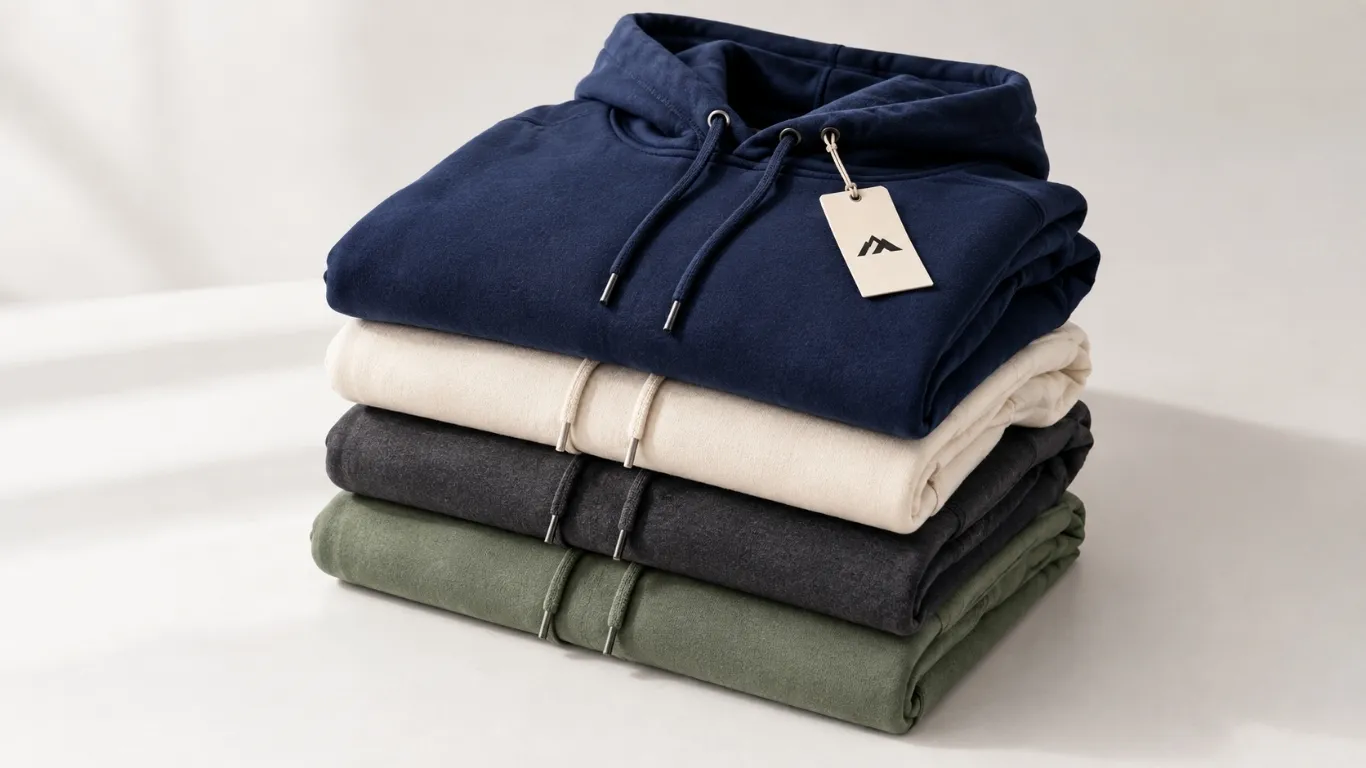
A French terry hoodie uses a knit fabric with a smooth outer face and visible loopback texture on the inside. It can be made from cotton, cotton/polyester blends or other fibre combinations. The exact composition and GSM should be chosen together with the intended fit, season and care requirements.
It can work for cool weather, but warmth depends on more than GSM. Fabric density, fibre blend, hood construction, rib, layering and the individual wearer all matter. For colder conditions, compare a heavier French terry sample with brushed fleece rather than assuming one GSM number guarantees warmth.
There is no single best GSM for every French terry hoodie. Around 300–360 GSM can work well for balanced year-round styles, while heavier ranges create more structure and finished-garment weight. Choose the GSM together with composition, knit density, fit and season, then approve the actual sample.
French terry keeps the loopback interior visible, while fleece is brushed to create a raised, soft nap. French terry is usually chosen for a cleaner loopback feel and layering; fleece is commonly chosen for a softer, more insulated interior. The actual result still depends on the specific fabric and finish.
Yes. French terry can be used for full-zip, half-zip and quarter-zip hoodie constructions. The tech pack should define zipper type, tape colour, puller, front-edge reinforcement, pockets and any internal facing so the sample can be reviewed as a complete construction.
Our standard MOQ is 10 MOQ per color per style and up to 3 sizes. Specialty fabrics, custom dye lots, trims or hardware can have separate supplier minimums, so the final MOQ should be confirmed against the approved French-terry specification.
It can. Shrinkage depends on fibre content, knitting, finishing, pre-treatment and wash conditions. If finished measurements are critical, specify the wash/care method and approve the actual fabric or sample after the agreed test condition rather than relying on a universal shrinkage percentage.
Samples typically take 7–10 days. Bulk production generally takes 2–4 weeks after sample approval, depending on quantity, fabric, decoration and order complexity. Shipping and transit time are additional.
Screen printing, DTF and embroidery can all work on the smooth outer face of French terry. The best method depends on the artwork, placement, fabric face and desired finish. Dense embroidery or specialty effects should be sampled on the actual material. See our decoration-method guide.
Private-label options are available for approved bulk orders, including neck labels, care labels, hang tags and packaging when included in the quotation. See our private label clothing manufacturer page for the commercial branding service.
Ready to Turn the French Terry Spec Into a Sample?
When your fabric, fit and construction decisions are clear, send the specification, quantity and destination for a manufacturing quote.


1 Comment