
Factory-Direct MOQ from 10 Samples in 7–10 Days Worldwide DDP Shipping
Get a Quote →

Double Knit · Premium Basics & Sportswear

Interlock Fabric: Double-Knit Structure, GSM & Clothing Uses

Interlock fabric is a stable double-knit structure with a smooth appearance on both sides. It is useful when a brand wants more opacity, body and edge stability than lightweight single jersey without moving into sweatshirt-weight fleece or terry.

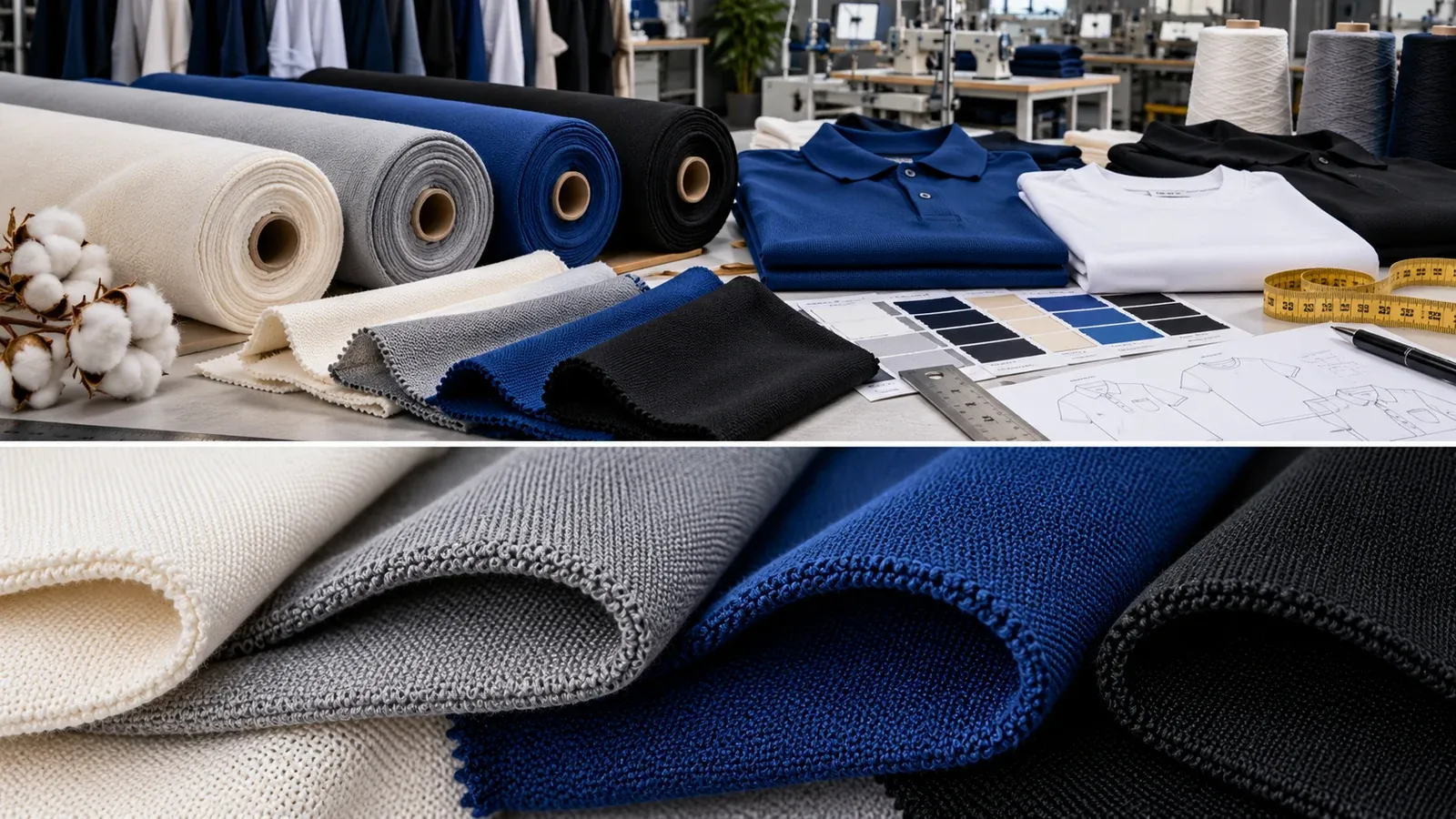
Interlock fabric for clothing manufacturing with double-knit rolls, polos and t-shirt samples
Common apparel range170–280 GSM
ConstructionDouble knit · Two smooth faces
Best known forOpacity · Stability · Clean surface
Key factory checksGSM · Recovery · Width · Shrinkage

Direct answer

What Is Interlock Fabric?

Interlock fabric is a double-knit construction produced with two intermeshing sets of stitches. Unlike basic single jersey, it normally looks smooth on both sides, has more body, resists edge curling and gives better opacity at comparable clothing weights.

Interlock describes the knit structure—not the fibre. It can be made from cotton, polyester, cotton/poly blends, modal, bamboo blends or stretch compositions with elastane. A 220 GSM cotton interlock premium tee and a 160 GSM polyester interlock team jersey are both interlock, but they serve different products.

Manufacturing specifications should therefore state fibre content + interlock construction + finished GSM + stretch/recovery + finish + intended garment. This prevents a mill or factory from substituting a materially different double knit under the same generic name.
Factory rule: Never approve a fabric by fibre name and GSM alone. Record construction, finished weight, colour, finish, performance requirements and an approved physical swatch.
Material options

Types & Constructions Brands Should Know

The same search term can describe several different commercial fabrics. Choose the version that matches the garment, decoration and wear conditions.

100% cotton interlock

Soft, dense and stable for premium tees, babywear, polos and basics where opacity and a smooth natural hand are priorities.

Cotton-elastane interlock

Adds recovery for fitted tops, dresses, premium basics and uniform pieces. Specify elastane percentage and stretch direction.

Polyester interlock

Common for sports jerseys, teamwear and performance polos because it combines a smooth print surface with good shape retention.

Poly-spandex interlock

Used where four-way or controlled stretch is required for training apparel and fitted performance pieces.

Blended interlock

Cotton/poly or cellulosic blends can balance hand, durability, drying behaviour and price.

Heavy interlock

Higher GSM interlock can be used for structured premium tees and polos, but may feel warmer and less fluid than single jersey.

Weight planning

GSM Guide for Interlock Fabric

GSM is a useful control point, not a quality grade. Compare it with fibre, yarn, structure and finish. Learn more in our GSM fabric guide or use the GSM Calculator.

Finished GSMTypical positionCommon product direction
150–180 GSMLight performance interlockSports jerseys, lightweight polos, warm-climate teamwear
180–220 GSMCore apparel interlockT-shirts, polos, uniforms, fitted basics
220–250 GSMPremium / opaquePremium tees, structured polos, babywear, fashion basics
250–280+ GSMHeavy interlockDense fashion tops and specialty garments where body and opacity are priorities

Ranges are practical development guides, not universal standards. Mill construction, yarn, gauge, finishing and end use can move the appropriate weight.

Product development

What Can Be Manufactured in This Fabric?

Fabric selection should start from the finished product. The cards below connect material decisions with the garment programs buyers actually order.

Premium T-shirts

Interlock creates a smooth, opaque, substantial tee with less edge curl than single jersey.

Polo shirts

Cotton or polyester interlock gives a cleaner, flatter alternative to textured piqué and can support print-led designs.

Sports jerseys

Polyester interlock is a common sublimation base for team uniforms because of its smooth surface and dimensional stability.

Uniform tops

The dense structure can improve opacity and shape retention for school, corporate and service uniforms.

Babywear & childrenswear

Cotton interlock is often selected for softness and stability in bodysuits, sleepers and basics.

Fitted fashion basics

Interlock with elastane supports clean fitted silhouettes where recovery and opacity matter.

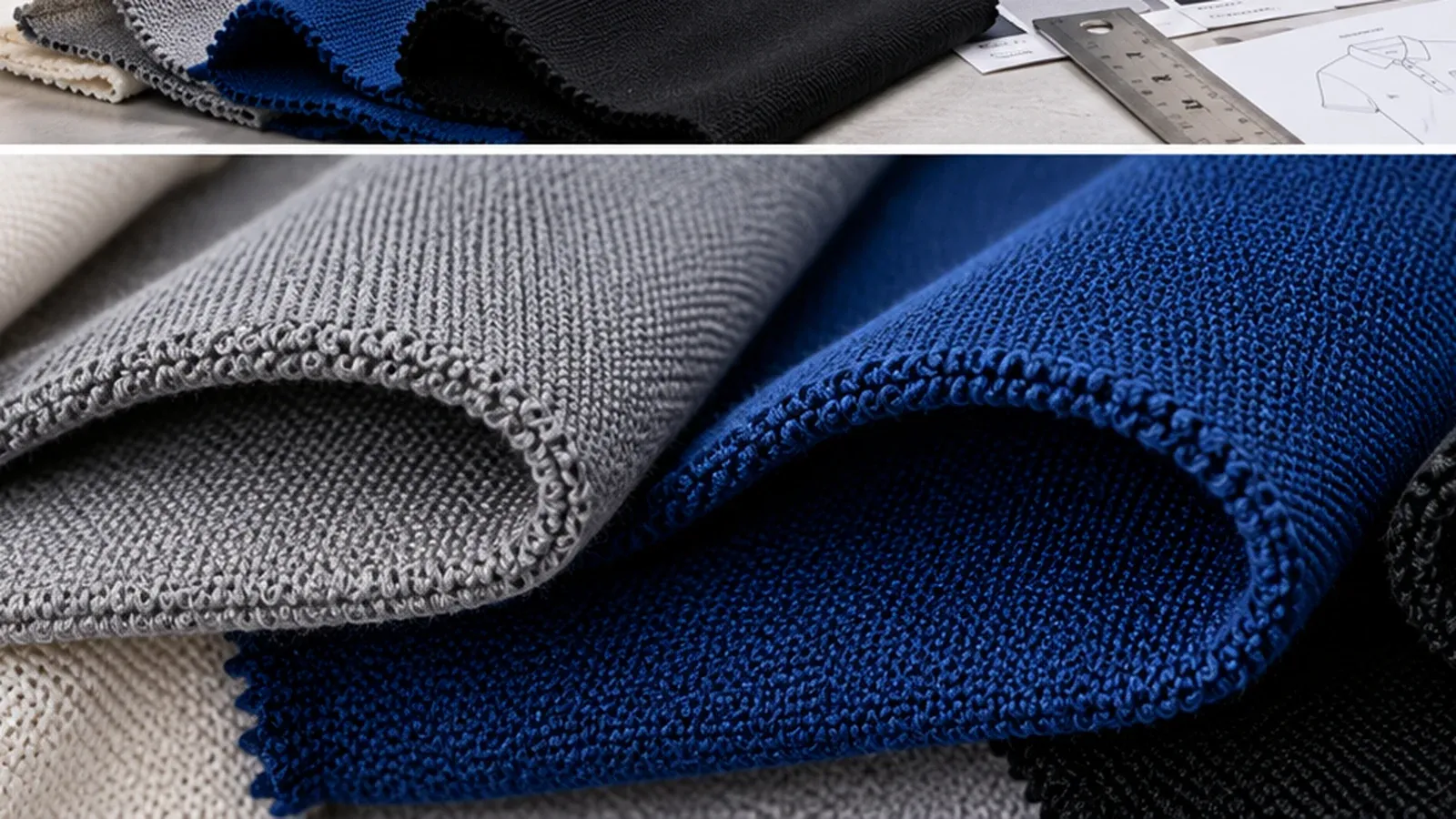
Interlock double-knit fabric texture showing smooth dense faces in apparel colours
Macro material view for structure, surface and trim planning.
Factory specification

How to Brief a Manufacturer

A useful fabric brief makes the material repeatable. Reference swatches help, but the factory also needs measurable information that can survive a reorder months later.

Start with fibre content and construction. Then lock finished GSM, colour standard, width, surface/finish, stretch if relevant, dimensional-stability expectations and the intended decoration method. If the garment will be washed after sewing, approve measurements after the actual wash process.

Also state which properties are critical to the product: opacity for white uniforms, pilling for fleece, recovery for rib, dye migration for polyester, collar stability for piqué or spirality for single jersey. This turns a visual idea into a production specification.

Example tech-pack wording

Write the Fabric Line Like This

100% combed cotton interlock · 220 GSM finished ± agreed tolerance · double-knit smooth face both sides · compacted / pre-shrunk · reactive dyed to approved lab dip · width recorded after relaxation · target shrinkage and recovery approved · print/embroidery test on bulk-equivalent fabric.

Decoration compatibility

Printing, Embroidery & Finishing

Decoration must be sampled on production-equivalent fabric. Surface texture, fibre chemistry, stretch and heat history can change print and embroidery results.

Screen printing

The flat, stable face can produce clean prints. Fibre content determines ink system, hand and cure considerations.

DTG

Cotton interlock can work well for DTG when the face is smooth and appropriately prepared.

Sublimation

Polyester interlock is one of the standard bases for sublimated jerseys and team tops.

Embroidery

Midweight interlock can take embroidery well with appropriate stabilisation; very light performance interlock may need more support.

Heat transfers

Common for names, numbers and logos on performance interlock. Test heat and migration on dark polyester colours.

See our clothing printing hub for screen printing, DTF, DTG, sublimation, puff, water-based and reflective methods.

Bulk control

Quality Checks Before Cutting

Approve fabric before it becomes hundreds of garments. These checks reduce shade, fit, wash and decoration surprises in bulk production.

Face consistencyBoth faces should be evaluated for holes, needle lines and surface irregularities.
Finished GSMInterlock density can vary substantially; verify the exact finished weight.
Width and relaxationAllow fabric to relax before cutting and confirm usable width.
ShrinkageCotton interlock should be wash-tested and compacted to target.
Stretch / recoveryEspecially important for elastane blends and fitted garments.
OpacityEvaluate on-body or over contrast, particularly for white uniforms and premium tees.
Material decisions

How It Compares With Other Fabrics

Comparison queries are useful because brands rarely choose a fabric in isolation. The correct answer depends on product, climate, fit, decoration and target price.

ComparisonManufacturing takeaway
Interlock vs jerseyInterlock is a denser double knit with smooth faces on both sides; single jersey is lighter, more fluid and may curl at cut edges.
Interlock vs piquéInterlock is smooth and flat; piqué has a raised honeycomb/waffle texture and is strongly associated with classic polos.
Cotton vs polyester interlockCotton interlock emphasises natural hand and absorbency; polyester interlock emphasises quick drying, shape retention and sublimation compatibility.
Interlock vs fleeceInterlock is not brushed and is used for tees, polos and sportswear; fleece is a warmer sweatshirt fabric with a raised back.
Commercial planning

Sourcing, MOQ & Cost Factors

Fabric cost is part of garment cost, but it is also one of the biggest quality levers. Approve the material system before chasing the lowest per-piece quote.

Interlock generally uses more yarn and has a denser structure than lightweight jersey, which affects price, weight and cutting yield. The premium is worthwhile when the design needs opacity, stability and a cleaner two-sided surface.

For performance interlock, do not copy a cotton GSM target blindly. A 160 GSM polyester interlock jersey can be appropriate for sport, while a 220 GSM cotton interlock may be selected for premium casualwear. Product purpose should lead the specification.

For clothingmanufacturer.us/ orders: our standing production MOQ is 10 MOQ per color per style and up to 3 sizes. Fabric availability, custom dyeing, custom knitting and special trims can create separate material minimums, so we confirm them during quotation and sampling.
Claims & responsibility

Sustainability, Certification & Material Claims

Only claim what the order can document. Fibre composition, recycled content and certified sourcing are separate from the visual name of a fabric.

Interlock can be produced in conventional cotton, organic cotton, recycled polyester and other fibres. Any sustainability claim should follow the fibre supply chain and supporting documentation rather than the interlock structure itself.

Because interlock is stable and durable when correctly developed, it can be valuable for products expected to withstand repeated washing. Dimensional stability and seam quality should be treated as part of durability planning.

For industry testing concepts and textile methods, see AATCC. Certification availability should always be verified for the specific fabric/order before marketing a claim.

Buyer questions

Frequently Asked Questions

Short answers for product developers, sourcing teams and clothing brands comparing fabric options.

What is interlock fabric?

Interlock is a double-knit fabric with a smooth appearance on both sides, good stability and more body than typical single jersey.

Is interlock fabric cotton or polyester?

It can be either. Interlock describes the knit construction; the fibre must be specified separately.

What is interlock fabric used for?

Common uses include premium T-shirts, polos, uniforms, babywear, team jerseys and fitted basics.

What GSM is interlock fabric?

Apparel interlock often falls roughly between 170 and 280 GSM, but lighter performance and heavier fashion constructions are possible.

Is interlock better than jersey?

Not universally. Interlock offers more opacity and stability; jersey is lighter, more fluid and often more economical.

Can interlock be sublimated?

Yes, when it is made from suitable polyester and prepared for sublimation.

Does interlock curl at the edges?

Plain interlock is much less prone to edge curling than single jersey, which can simplify cutting and sewing.

Can clothingmanufacturer.us/ make interlock garments?

Yes. Interlock can be developed for T-shirts, polos, sportswear, uniforms and other custom garments with the required fibre, GSM and finish.

Continue researching

Related Fabric Resources

Use the fabric hub to compare neighbouring materials before you lock a production specification.

Develop your product

Turn the Fabric Specification Into a Finished Garment.

Send your tech pack, reference garment or product idea. We can help confirm a practical fabric construction, GSM, fit, decoration route, labels and packaging before bulk production.