Custom Team Jerseys & Match Kits
Sublimation-ready tops, squad colorways, names and numbers, sponsor positions, goalkeeper variations and roster-based size breakdowns. Designed for team, club and resale programs.
ClothingManufacturer.US produces custom sportswear, performance apparel and teamwear at our clothing factory in Sialkot, Pakistan. We work with American sportswear labels, gym operators, clubs, resellers and wholesale buyers who need their own fit, fabric specification, decoration and branding—not generic blank garments.
From the first approved sample to repeat bulk orders, each program is developed around your intended sport, movement requirements, sizing and target market.
*Low-MOQ eligibility depends on the design, fabric, sizes and decoration requirements. Order terms are confirmed before production.
A custom sportswear manufacturer builds athletic garments to a buyer's own specification. The work covers fabric selection, patterns and grading, sewn construction, team graphics or retail branding, inspection, packing and shipping. The result can be a collection you resell under your label or a team kit distributed across a club, school or league.
Our factory is based in Sialkot, Pakistan. We serve buyers in the United States and other markets, but we do not claim to operate a US factory or sell Pakistan-made garments as American-made. This clarity helps procurement teams compare domestic and imported manufacturing on an informed basis.
For a growing brand, the most important question is often not “Can a factory print a logo?” It is “Can the factory reproduce my fit, construction, color and size range consistently when the second order arrives?” This page explains how to plan those decisions before paying for a bulk run.
Learn about our Sialkot clothing factory →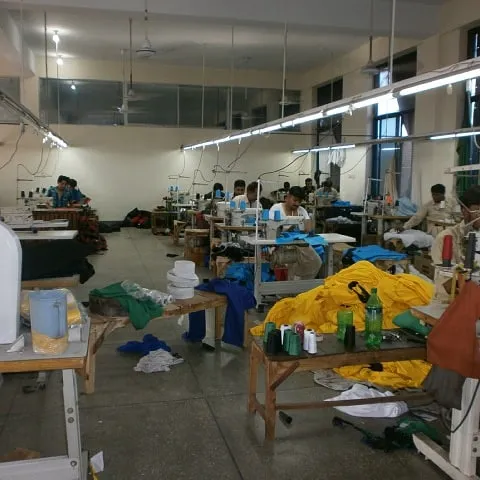
Different athletic garments require different materials, seam designs, stretch recovery and decoration methods. We evaluate the specifications for each category rather than applying one generic construction to every order.
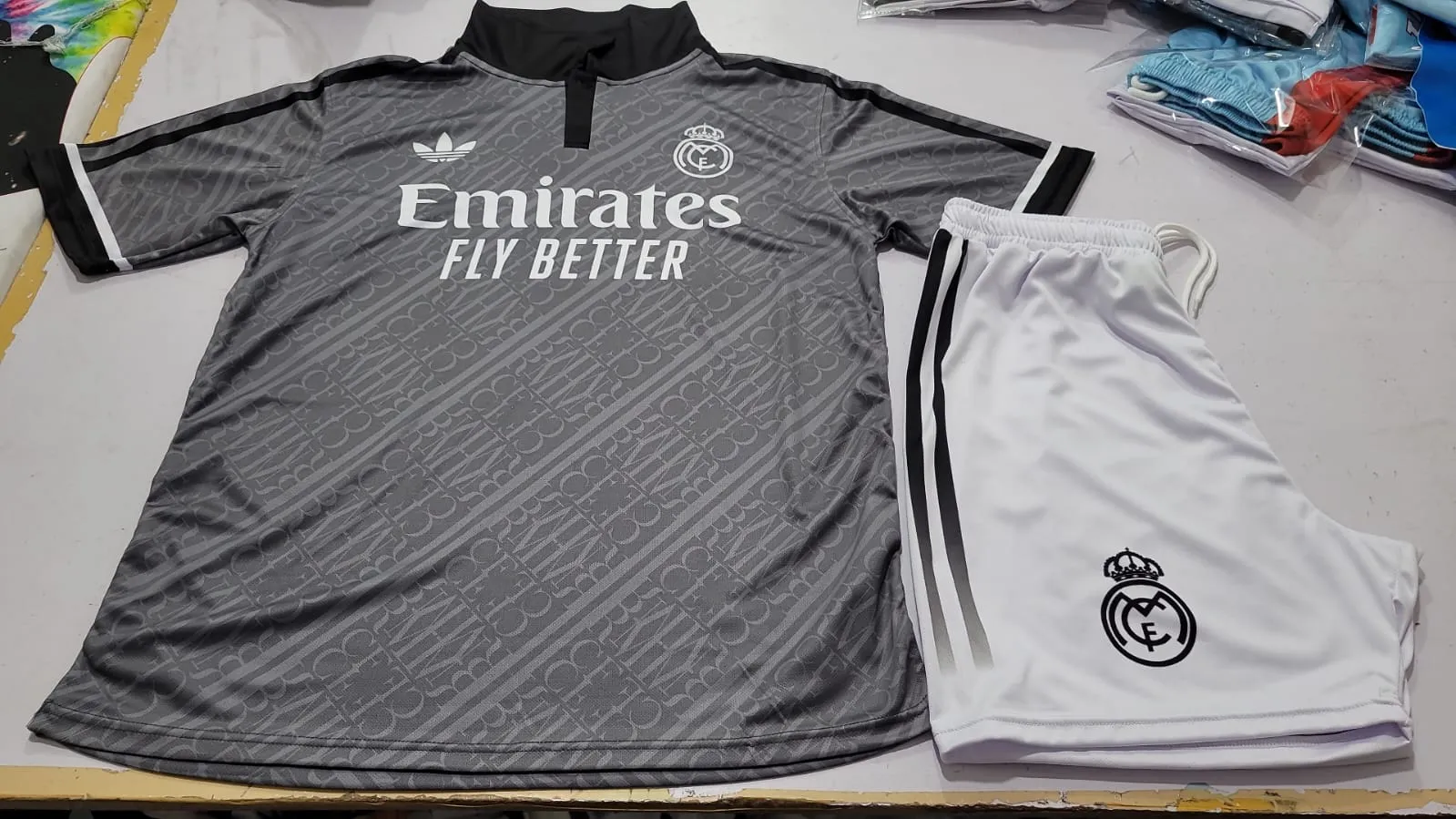
Sublimation-ready tops, squad colorways, names and numbers, sponsor positions, goalkeeper variations and roster-based size breakdowns. Designed for team, club and resale programs.
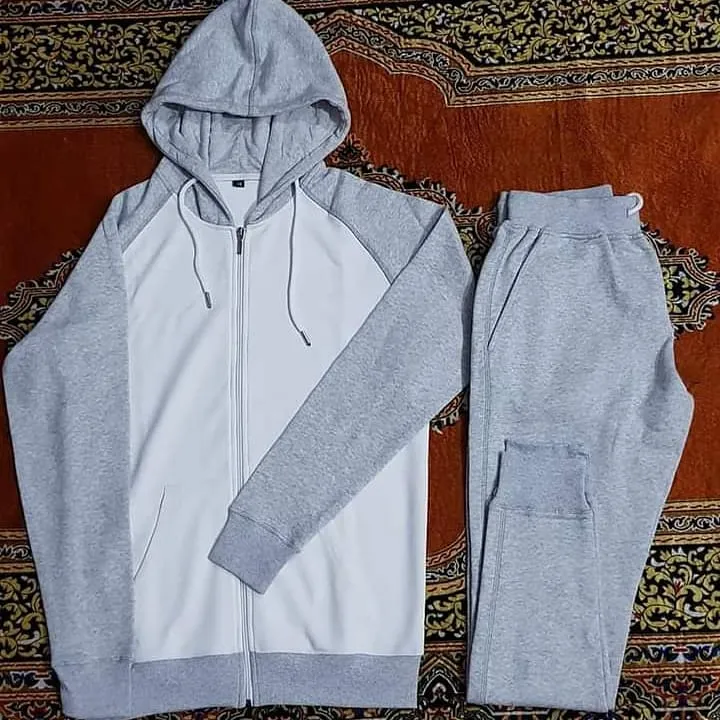
Matching training jackets and pants with coordinated fabric lots, waist and cuff details, zipper selection, panel placement and movement-friendly fits.
Dedicated tracksuit manufacturing →Lightweight training tees and gym tops with approved neckline, sleeve opening, ventilation requirements and decoration placement. Both brand and club programs are possible.
Custom T-shirt manufacturing →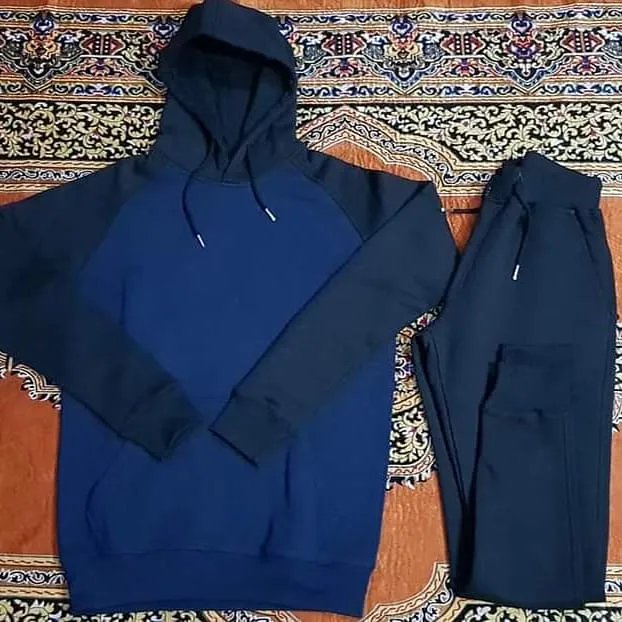
Training sets, leggings and fitted layers developed around stretch behavior, squat or movement coverage, gusset decisions, recovery and repeated washing.
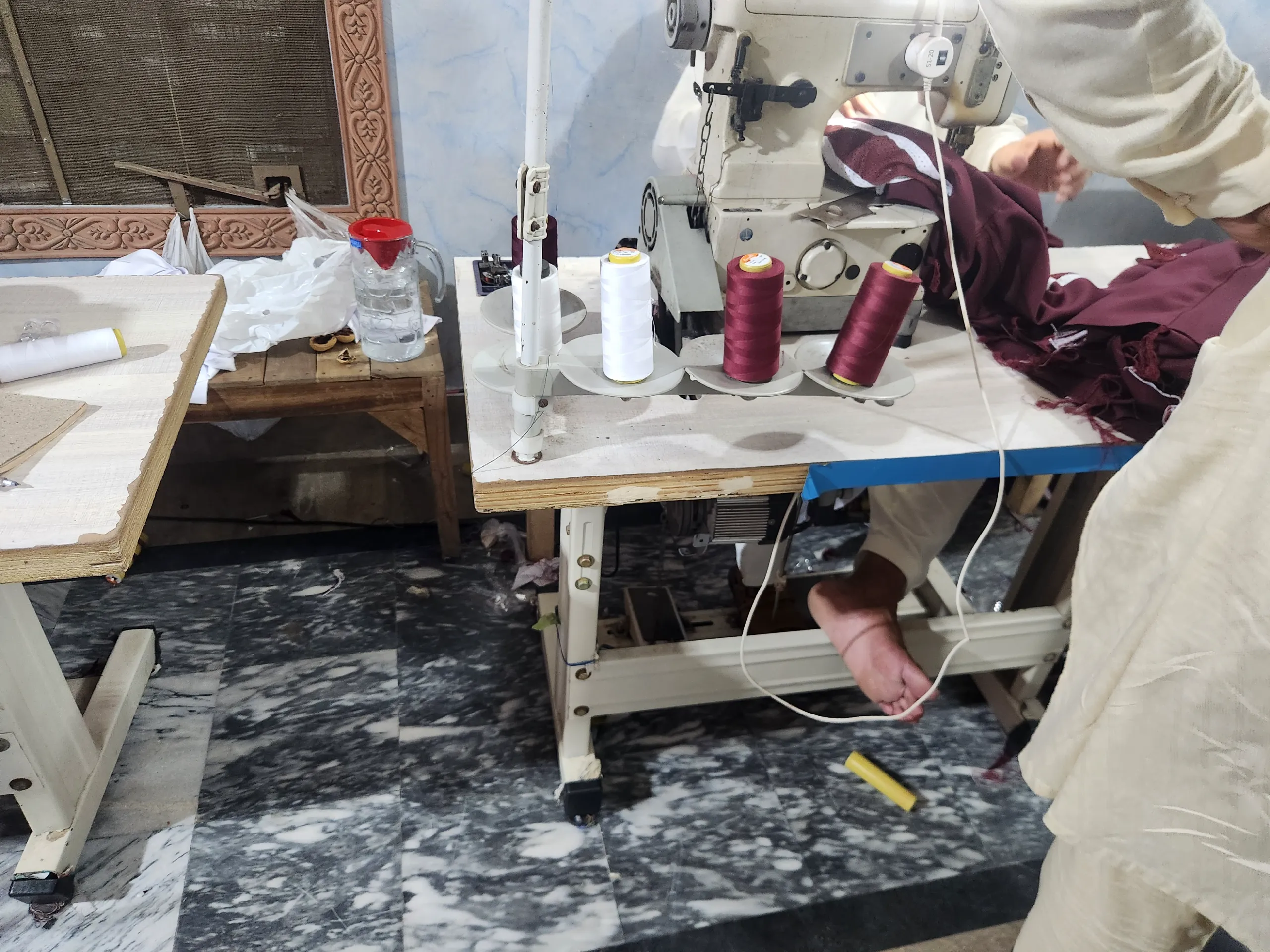
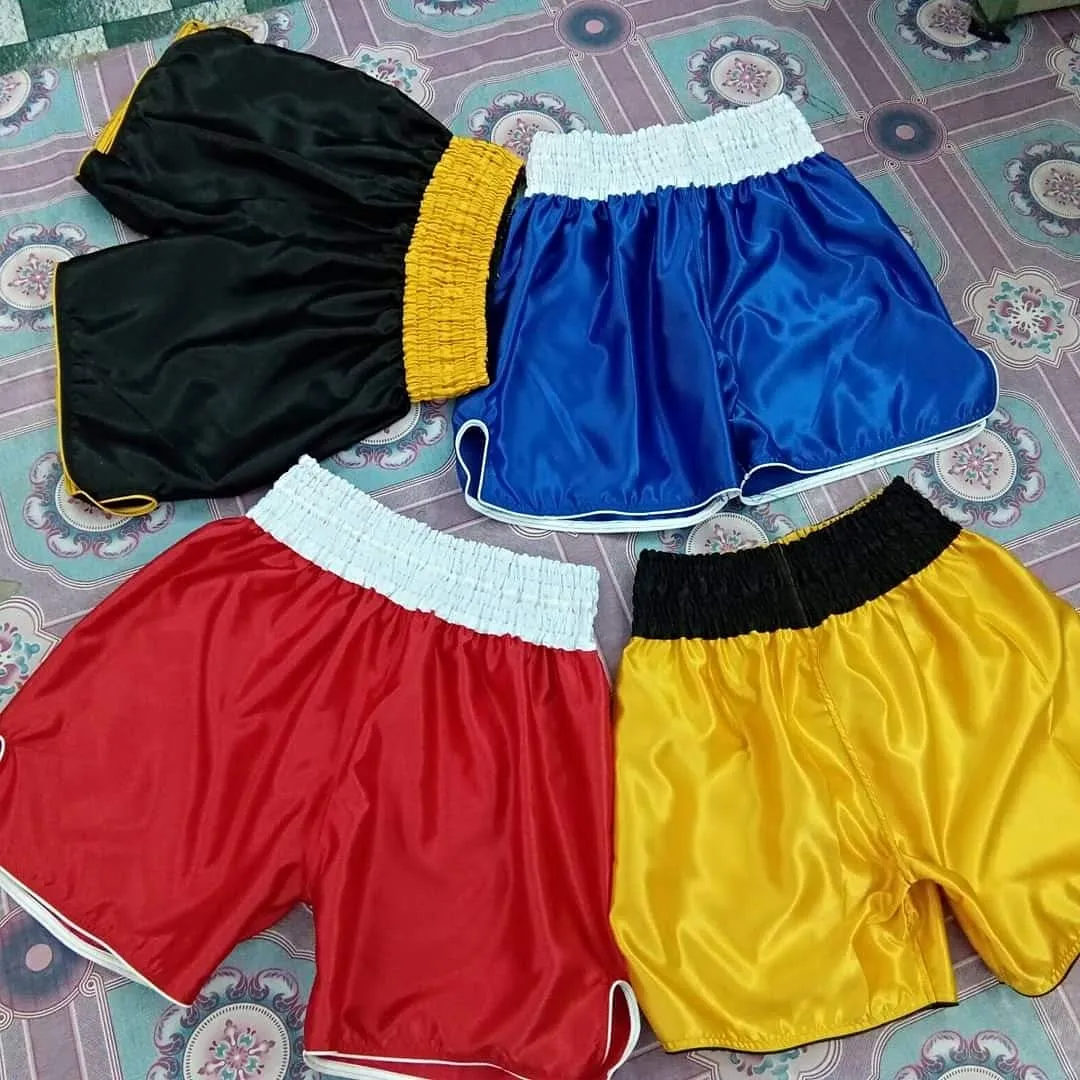
Elastic or drawcord waists, mesh or unlined options, pocket construction, bartack reinforcement and sport-appropriate length profiles.
Build products carrying your own woven labels, care information, hangtags, carton codes and packaging rather than buying generic printed blanks.
Private-label manufacturing →Product examples describe customization options, not an inventory promise. Each program is quoted against approved samples, material availability and construction requirements.
A private sportswear brand needs repeatable retail sizing. A youth club needs a reliable roster process. These orders may look similar on a sewing table but need different production information.
Define your fit blocks, size chart, fabric feel, trims, branding and reorder specifications for a retail collection.
Plan sponsor artwork, player names, matching colors, youth/adult sizes, player packs and reorder handling.
Coordinate staff training gear, gym merchandise, logos, repeat size distributions and branded packaging.
Specify carton packing, SKU labeling, approved samples, inspections and order documentation for resale.
The right fabric depends on what the garment must do: stretch, cover, breathe, insulate, recover or display color accurately. These are development options—not laboratory claims about an untested finished product.
For running or training tops, a lightweight polyester knit may prioritize moisture management and drying. A fitted compression design raises different questions: elastane content, stretch direction, recovery, opacity and seam tension. A warm-up layer may call for different weights and surface finishes from a match-day jersey.
Share a reference sample, your desired composition, expected GSM, stretch requirement and use conditions. We can discuss sourcing, construction and sample checks appropriate to that brief.
Properties such as UV resistance, antibacterial performance, pilling grade or colorfastness should only be advertised with supporting test results for the actual fabric and treatment being used.
Browse Our Fabric Guides →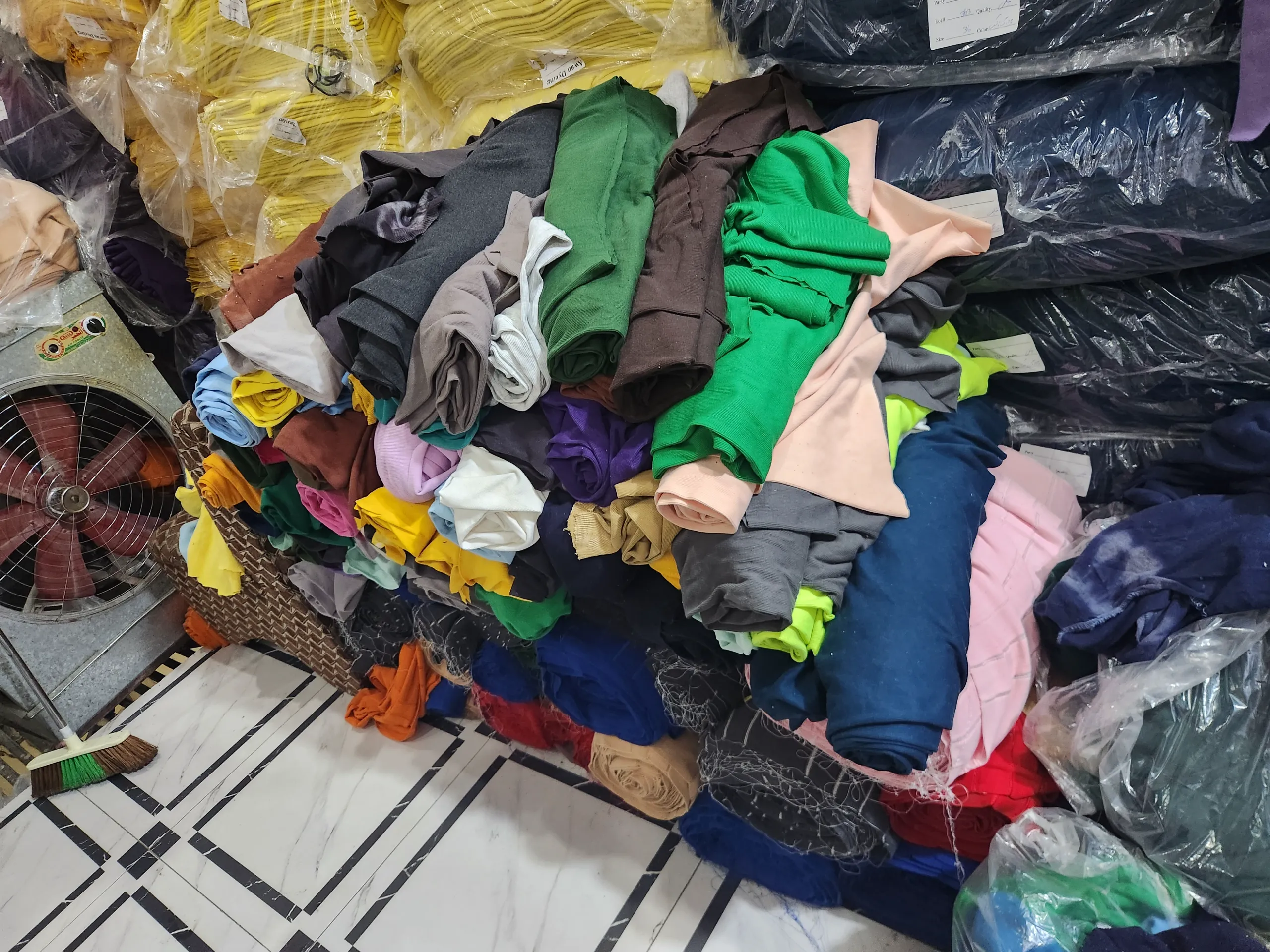
Use this as a starting point for a supplier brief. Final ranges, blend ratios and measurable performance targets belong in the approved tech pack and testing plan.
| Garment / use | Fabric families to evaluate | Construction / performance questions | Sample approval checks |
|---|---|---|---|
| Team jerseys | Polyester jersey, interlock or selected mesh | Ventilation, print clarity, abrasion areas, neckline stability | Color reference, print registration, size grade and wash response |
| Training tees | Lightweight polyester or blended knit | Comfort, hand feel, moisture behavior, odor treatment if requested | Fit while moving, length, opacity and laundering |
| Compression / fitted | Elastane blends, interlock or tricot | Stretch direction, modulus, recovery, squat coverage, seam elongation | Stretch recovery, opacity, flatlock/coverstitch suitability |
| Warm-up tracksuits | Polyester tricot, interlock, other suitable knits | Panel fit, zippers, abrasion, pocket placement, cuff recovery | Matching color lots, movement comfort, measurements |
| Sports shorts | Woven or knit performance fabrics; mesh if specified | Waist elastic, liner, bartacks, ventilation, pocket security | Waist recovery, hem width, seam stress, squat or sprint movement |
| Sport polos / clubwear | Piqué, interlock, performance jersey | Collar structure, placket, logo embroidery distortion | Collar recovery, logo position, shrinkage after care cycle |
Terms such as “moisture-wicking,” “UPF,” or “anti-pilling” describe performance objectives only unless verified by test evidence for the specific material/order.
Seam choice: Overlock and coverstitch are common on knits. Flatlock or other low-profile seams may be considered for garments where the seam touches moving skin. The correct seam depends on fabric, product function and equipment.
Stretch and comfort: Evaluate seam elongation, elastic recovery and whether a gusset or revised crotch shape is needed. A garment can look right on a hanger yet pull uncomfortably during training.
Stress points: Waistbands, crotches, armholes, pocket openings and zipper ends may need reinforcement. Bartacks, seam allowance and thread selection should be defined for the specific design.
Fit block: Approve the intended athletic silhouette and size chart—including youth, adult or extended sizes—before grading and bulk cutting.
Decoration: A large printed graphic changes how a stretch garment behaves. Print placement, material choice and wash testing should be approved together.
Sportswear graphics need more than color accuracy. Artwork must stay legible on curved panels, stretch where needed and remain appropriate for repeated laundering.
A practical option for suitable polyester fabrics and full-color team graphics. Plan the printable panels, color references, panel matching and individual names or numbers.
Useful for detailed multi-color artwork on compatible garments. Approve film, application conditions, hand feel and wash durability; avoid large transfers where stretch is critical.
Consider screen printing for appropriate runs and graphics; embroidery for crests and logos on suitable stable areas. Check stitch density, backing and distortion on lightweight knits.
Use approved neck labels, woven patches, care labels, size tags, hangtags and packaging. Supply your brand assets and any market-specific regulatory text.
For club kits, define the numbering font, sponsor hierarchy, player list, size list, and who approves spelling before print setup.
Specify size stickers, cartons, team bundles, SKU codes and packing lists in advance so the dispatch matches your reseller or club distribution plan.
A clear approval trail is more valuable than a vague promise of “fast delivery.” We help buyers define which decisions are fixed, what can change and when production is authorized.
Identify intended sport, garments, quantities, buyer market, labels, deadline and whether the order is a team roster or retail SKU range.
Record pattern references, measurements, BOM, GSM/composition targets, print files, Pantone references and tolerances.
Check fabric availability, print constraints, minimums, sampling charge, decoration and carton requirements before quoting.
Produce or review a representative sample; assess range of motion, feel, seams, shrinkage risk and logo positions.
Confirm approved changes in writing, including final sample, size ratios, artwork, material choices and packing plan.
Manufacture to the approved specification; monitor fabric lots, panel alignment and in-process construction checks.
Review measurements, decoration, labeling, visual defects and size packing using agreed sampling or inspection criteria.
Confirm terms, shipping documents and delivery plan; preserve approved specs and revisions for the next production run.
Sampling and bulk lead times are quoted based on actual material availability, complexity, season and order quantity; they are not fixed promises for every product.
Before production, agree the tests and acceptable tolerances that matter to your program. An AQL sampling level can be requested where appropriate; it should not be represented as a certification without records.
| Checkpoint | What to confirm | Evidence / approval to request |
|---|---|---|
| Fabric identity | Composition, weight, shade lot, stretch direction, optional fabric tests | Fabric swatch, supplier specification and agreed test results |
| Fit & grading | Chest, length, waist, hip, inseam, sleeve, tolerance table | Signed size chart, fit sample and revised pattern record |
| Graphics | Sponsor scale, team names, Pantone references, registration, logo method | Approved artwork proof and printed sample |
| Construction | Seam appearance, stitch density, strength zones, thread, reinforcement | Reference sample and in-line checkpoint photos where agreed |
| Wear & care | Expected wash response, shrinkage, pilling, color transfer, print durability | Appropriate tests for the buyer's stated performance requirements |
| Final packing | Quantity, sizes, player list, labels, cartons, SKU and destination | Final inspection summary and packing list |
Specific laboratory grades, standards, certificates or guaranteed test outcomes should only be stated when supported by the actual project records.
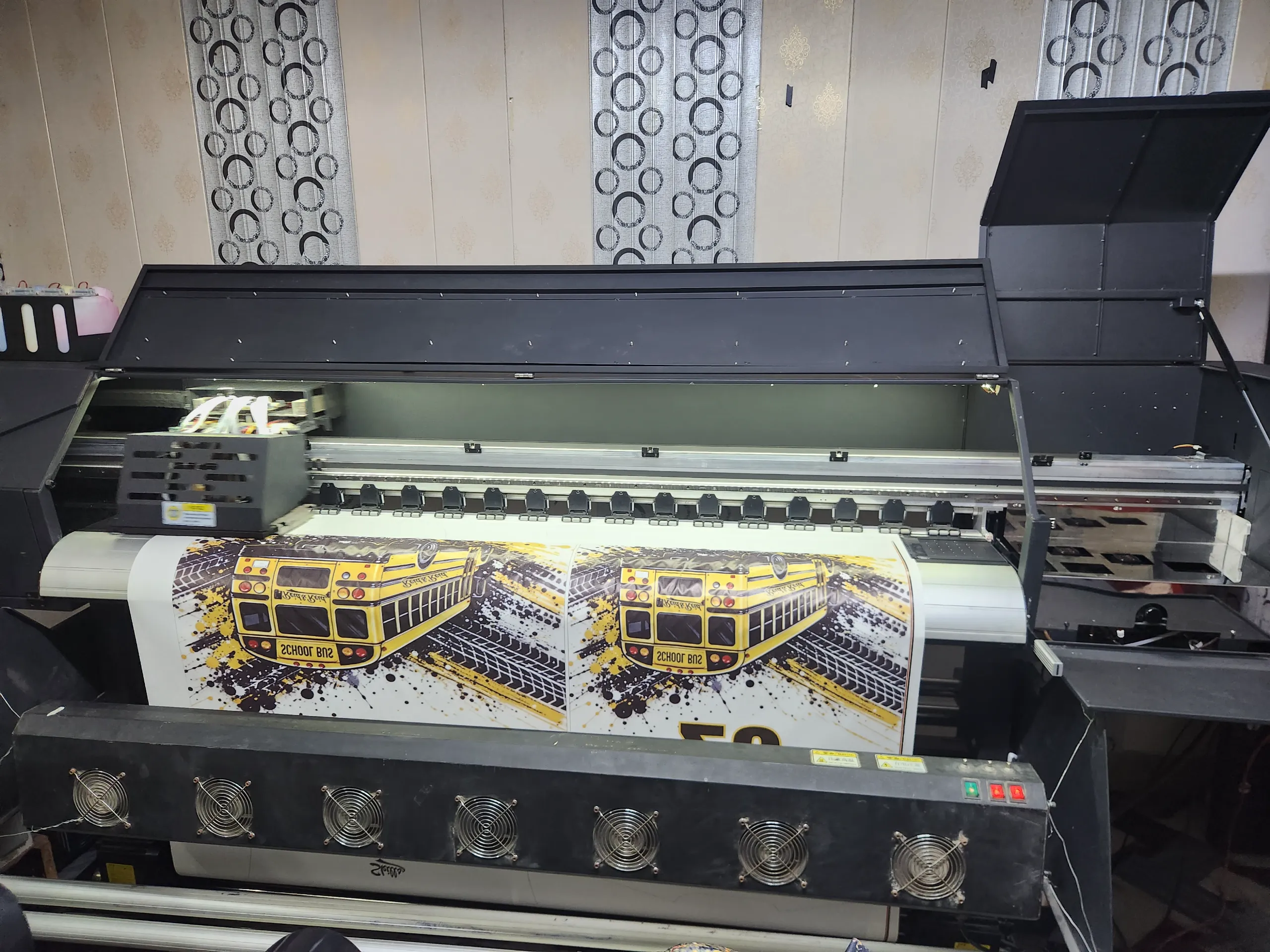
These photographs come from our previously documented garment manufacturing work. They show production capabilities and supporting processes; not every image is a single sportswear order.
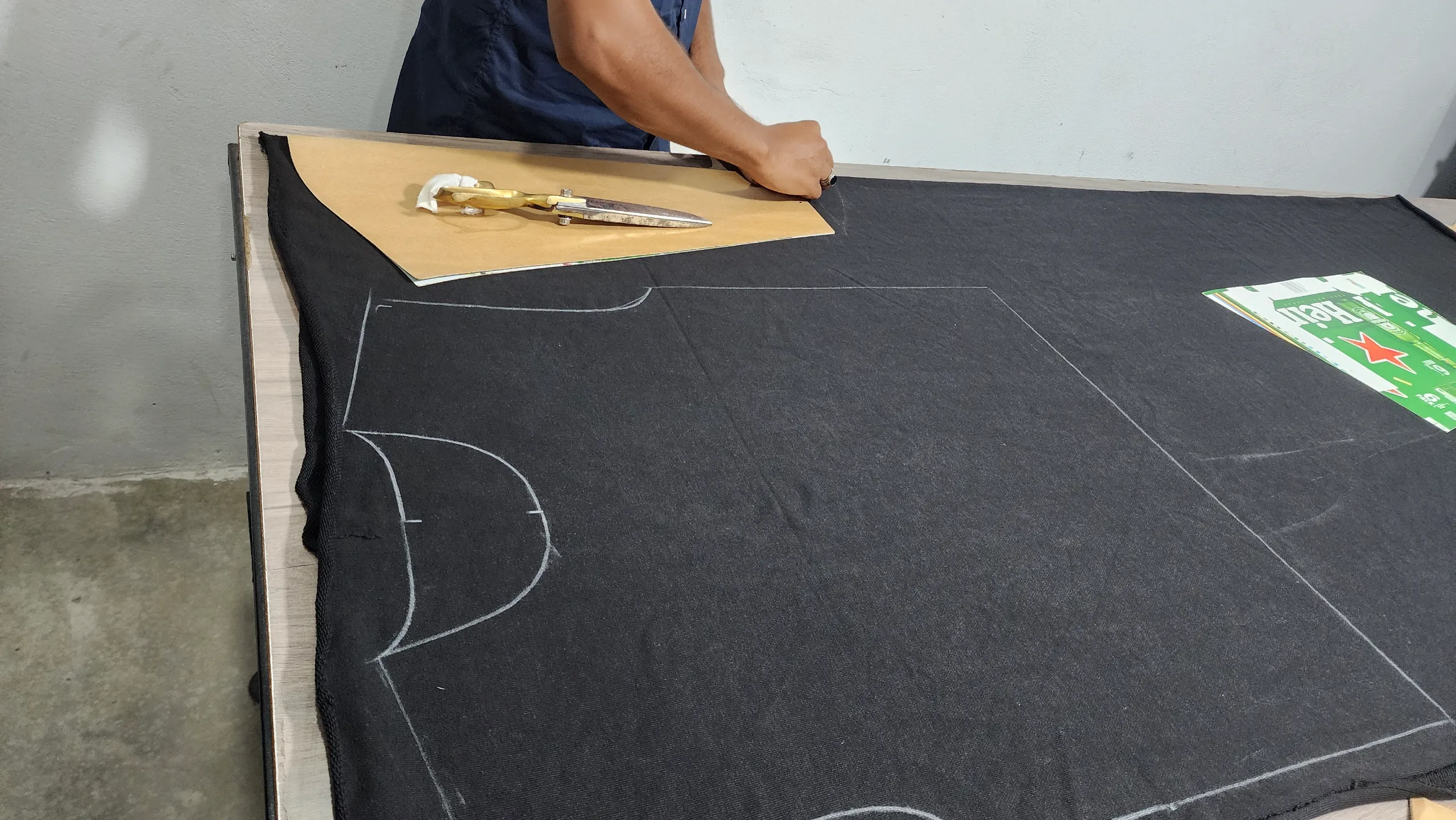
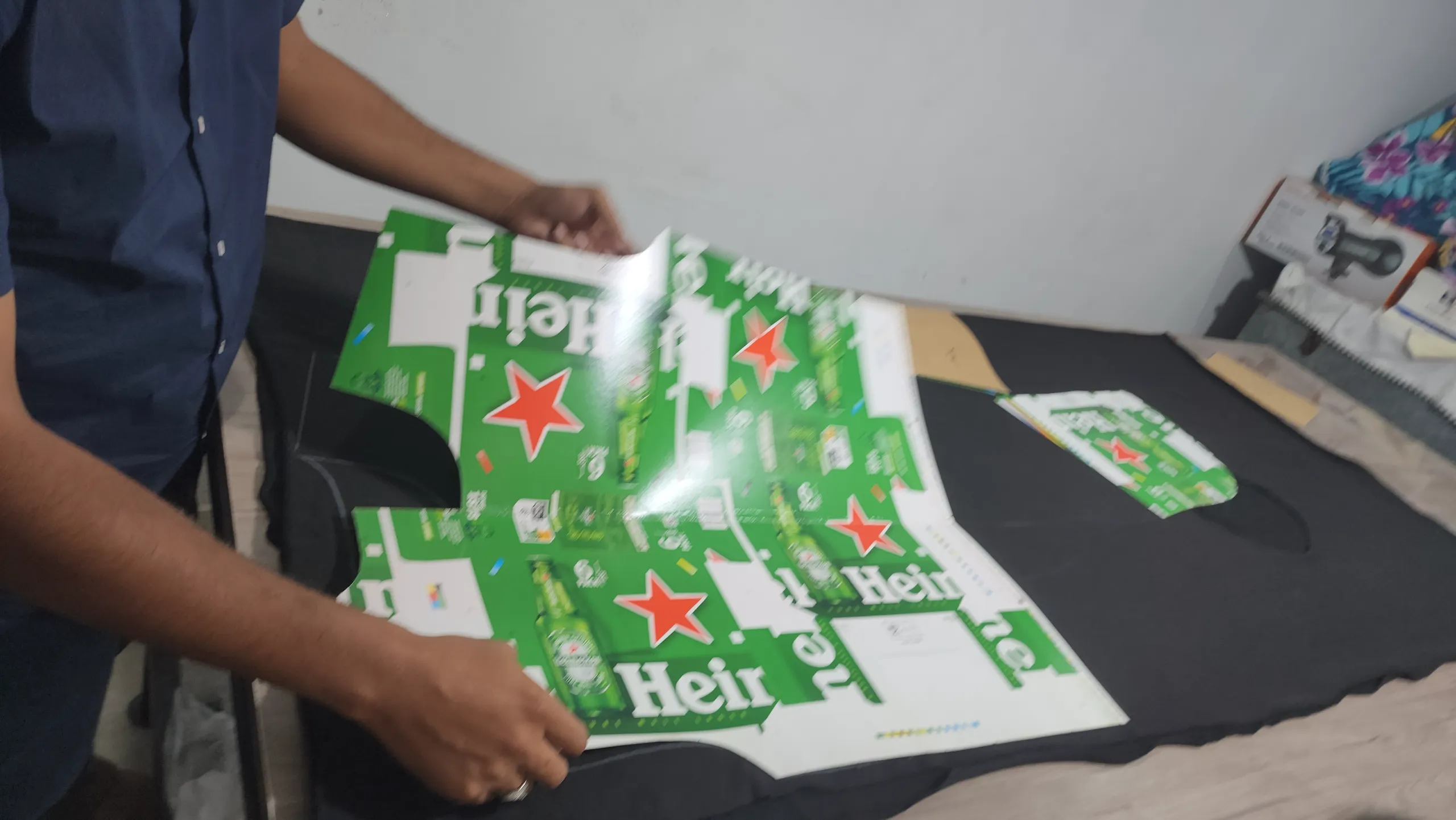
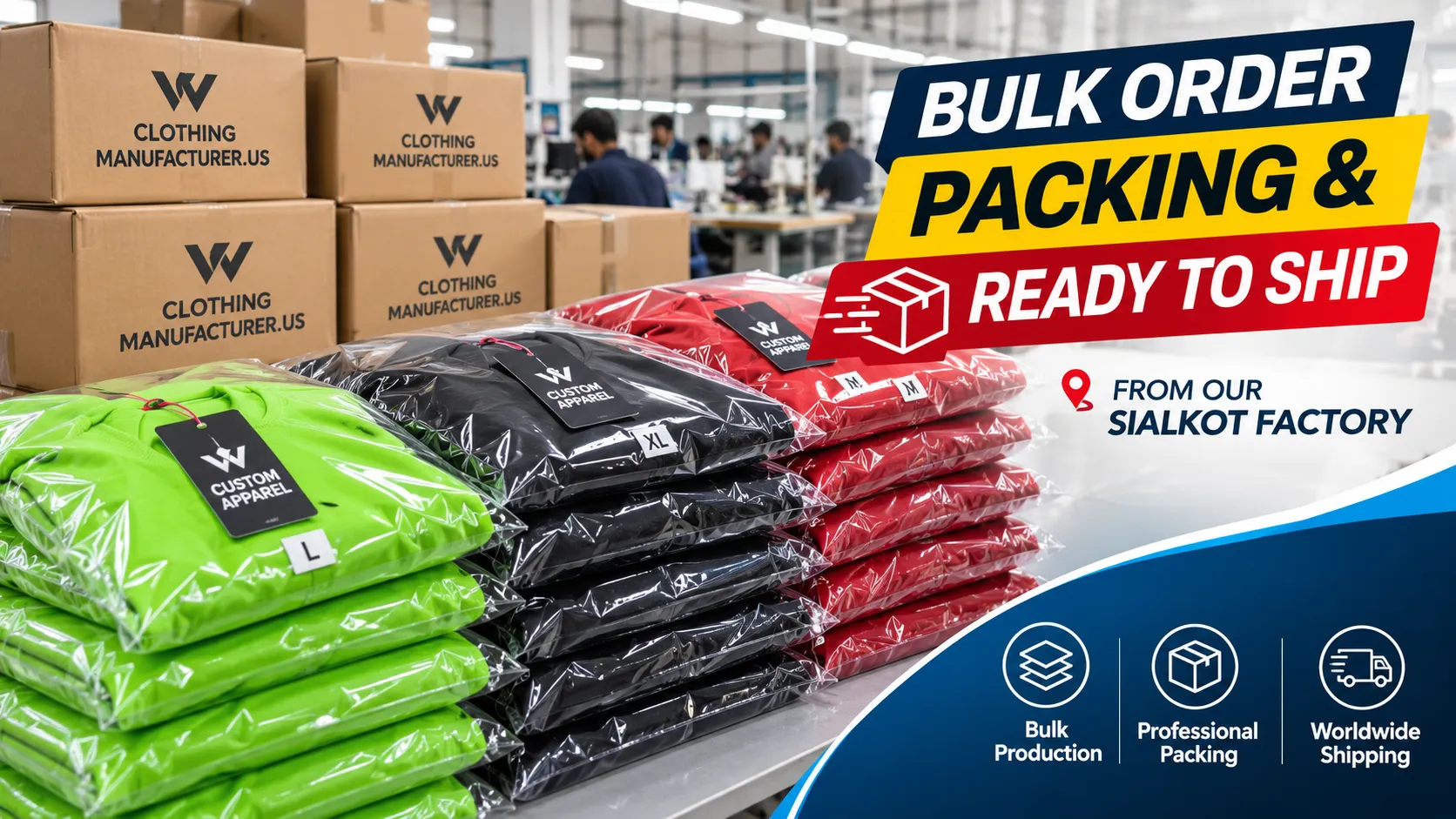
Watch actual factory operations. These are general manufacturing process clips and should not be mistaken for an inspection record of a particular sportswear purchase order.
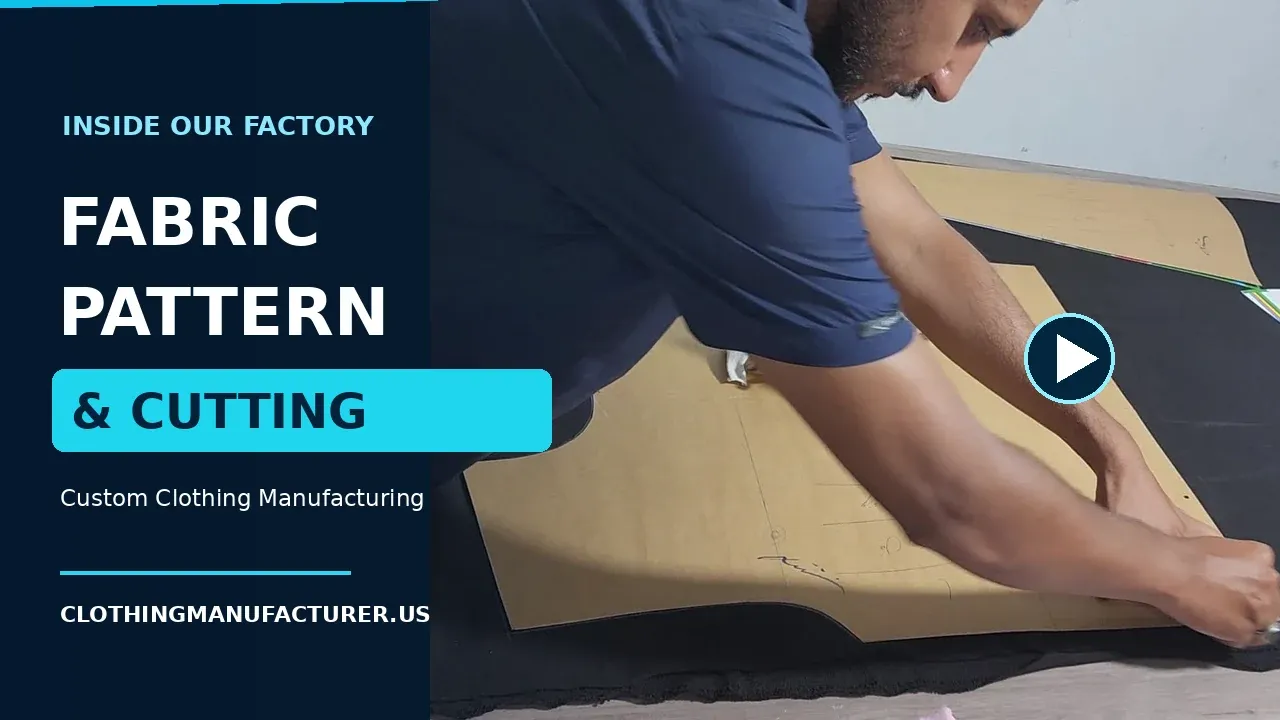
Fabric preparation and cut-and-sew production footage at our Sialkot factory.
Watch original video on YouTube ↗Factory footage of customization, decoration and branded apparel finishing.
Watch original video on YouTube ↗See finished-garment preparation and packed factory orders ready for dispatch.
Watch original video on YouTube ↗Domestic production can be the better choice for extremely short lead times, urgent reorders, frequent in-person fittings or strict US-origin requirements. It may also reduce overseas freight and customs coordination.
Factory-direct sourcing from Sialkot can be a good fit when you need custom cuts, teamwear graphics, sports-specific fabrication and the ability to plan orders early enough for international transit. Comparing only a quoted unit price will miss sampling, shipping, duty, defects, storage and reorder risk.
We manufacture in Pakistan for customers in the USA—we are not a USA-made garment factory. A serious procurement comparison should consider the landed cost, risk and working relationship, not an unsupported claim that one country is always cheaper or better.
For a US teamwear reseller, it helps to send the roster, event date, delivery ZIP code, planned transportation method and whether duty/customs clearance is handled by the importer or included in an agreed delivered quote.
Buyer decisions are easier when manufacturing assumptions are explicit. The figures below describe how we structure quotes—not guaranteed prices or delivery times.
Eligible straightforward projects may begin at 10 pieces per style/color. Specially dyed material, complex fabrics, multiple custom trims or team-level variations can require a higher minimum. We confirm size mixing and allocation before payment.
A physical sample or an approved production reference should establish fit, color, print, stitching and branding before mass cutting. Timing, number of revisions and sample charges belong in the quote.
Sampling, print preparation, bulk sewing and freight each have different timelines. A season deadline should include approval time and shipping buffer, not just estimated factory production days.
Compare quotes from like-for-like material, construction and inspection requirements. The final invoice may also involve packaging, freight, insurance, duty, customs and local tax.
We discuss EXW/FOB-type terms or delivered options depending on destination and service availability. DDP is not automatically available on every route and must be documented when quoted.
The best production partner should preserve approved measurement tables, artwork, fabric reference, trims and revisions. Ask how substitutions and dye-lot differences are handled on reorders.
You can begin with a tech pack, an existing garment, an artwork file or a clear idea. More detail helps us answer quickly and avoid quoting the wrong product.
List jersey, shorts, training tee, leggings or tracksuit; include intended sport, age range, performance priorities and any reference photos.
Provide target measurements, youth/adult fit, quantity per size and whether you want inch or centimeter specifications. For team kits, share the player roster separately.
Supply target composition/GSM, stretch requirement, preferred seam type, lining, mesh, zippers, pockets and key wash/performance expectations.
Add logos, sponsor files, numbers, names, Pantone references and decoration method preferences. High-resolution or vector files reduce proofing problems.
Give the styles, colorways, estimated order quantities, sample need and whether you expect monthly reorders or one club season.
Provide country, city/postal code, date needed, shipping terms required and whether your business will manage import clearance.
Our complete manufacturing process guide covers broader garment production; this page focuses on the decisions specific to sportswear and teamwear.
Practical answers to the questions USA brands, gyms, clubs and wholesale buyers ask before committing to production.
Share the product, technical requirements, quantities and delivery market. The form prepares a WhatsApp inquiry for your review; it does not send data to a third-party form service.
WhatsApp: +1 (640) 203-5335 ↗Email: info@clothingmanufacturer.us ↗
Manufacturing location: Sialkot, Pakistan. Serving US buyers and international apparel markets.
Explore our other factory-direct B2B manufacturing pages.