
01 / FOUNDATIONS
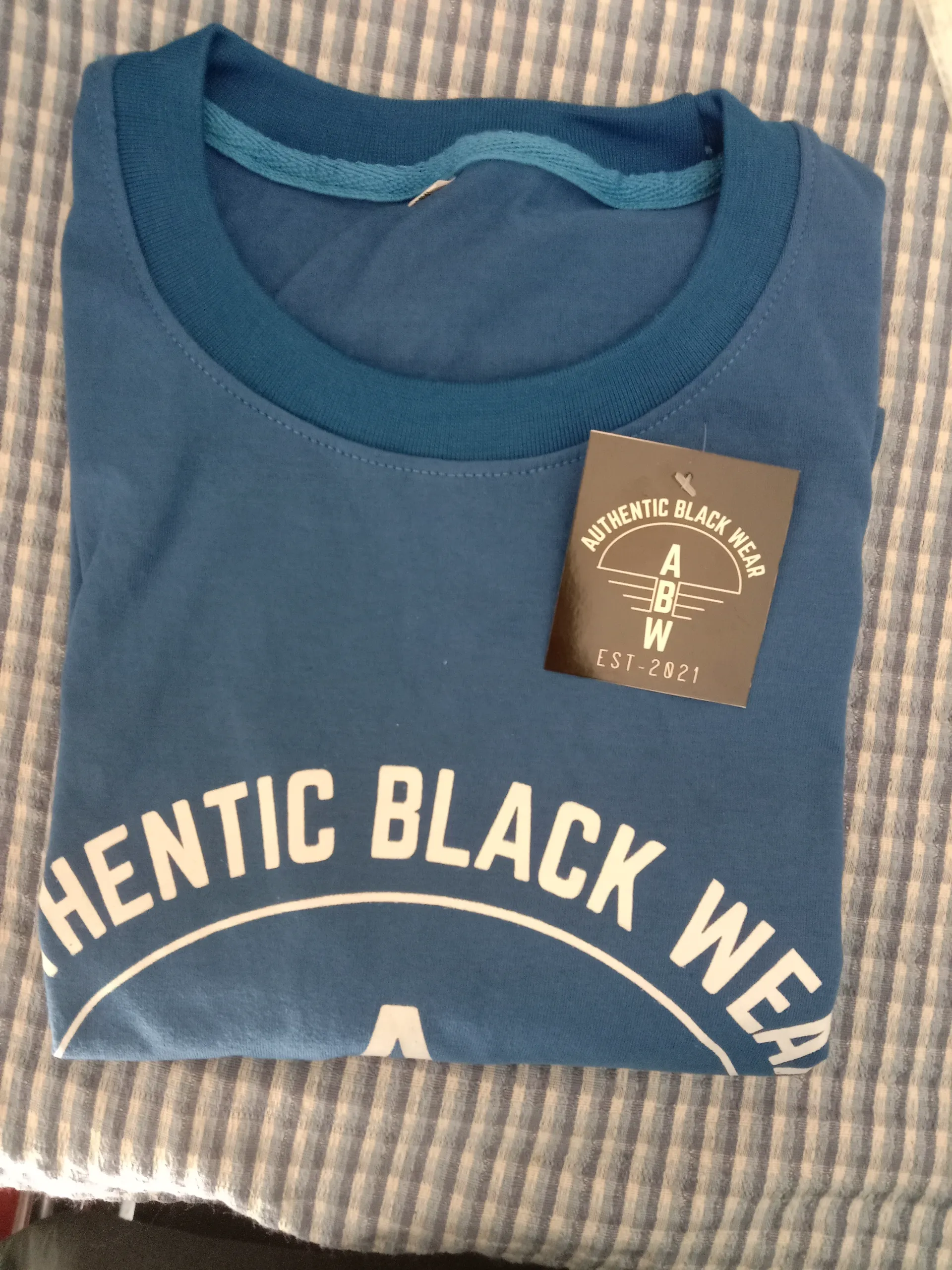
Boxy & Oversized T-Shirts
Set the intended chest width, shoulder drop, body length, sleeve opening and collar structure. Fabric weight and shrinkage can change the final shape.
Explore T-shirt production ↗Design a streetwear drop that feels like one brand—not unrelated garments with the same logo. ClothingManufacturer.US supports B2B streetwear collection development and production from our manufacturing base in Sialkot, Pakistan: coordinating silhouettes, fabrics, colorways, branding, sampling, size plans and finished-garment checks for labels in the USA, UK, Canada, Australia and Europe.
Manufacturing takes place in Sialkot, Pakistan. Starting MOQ is 10 pieces per style and color when production requirements permit; exact minimums and timelines are confirmed per style.
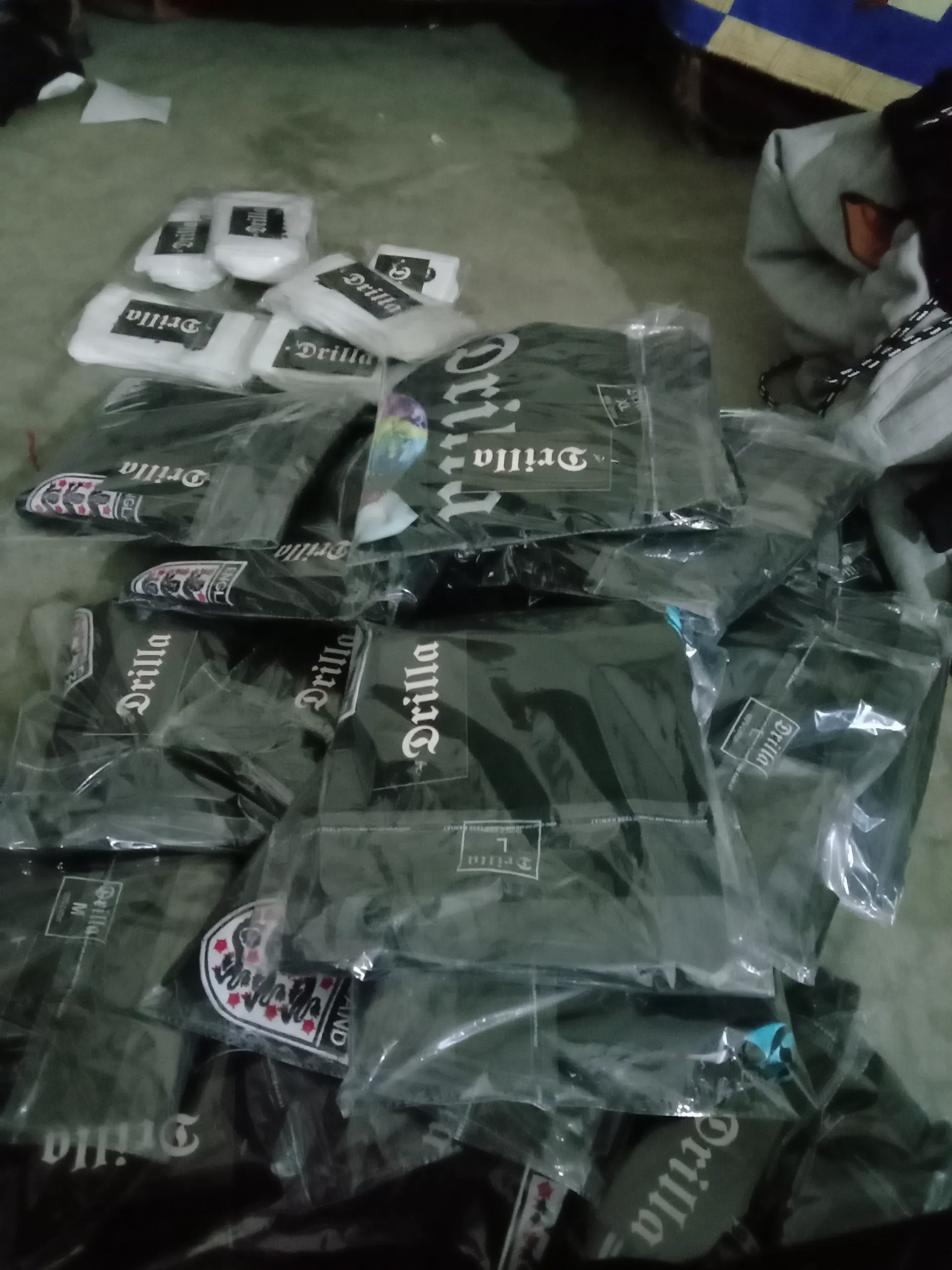
A streetwear collection needs more than a print-ready hoodie. The neckline on a boxy T-shirt, the drape of a heavyweight sweatshirt, the rise of a relaxed trouser, and the position of a repeated logo all shape how the range is perceived together. Our role is to turn your reference images, sketches or tech packs into production conversations grounded in measurable garments.
We support independent labels testing a first drop, established brands expanding beyond one hero product, and wholesale buyers planning related styles with consistent trims and packaging. You retain control of the design direction; we review the construction, material, decoration and quantity requirements for manufacturability.
For a single hoodie design, visit our Custom Hoodie Manufacturer page . For business-wide labeling and ownership options, see Private Label Clothing Manufacturing . This page is specifically about building a coherent streetwear range across multiple styles.
Choose a clear role for each style in the range. We can discuss cohesive fabric families, silhouette relationships and decoration systems while quoting each garment against its own technical needs.
Set the intended chest width, shoulder drop, body length, sleeve opening and collar structure. Fabric weight and shrinkage can change the final shape.
Explore T-shirt production ↗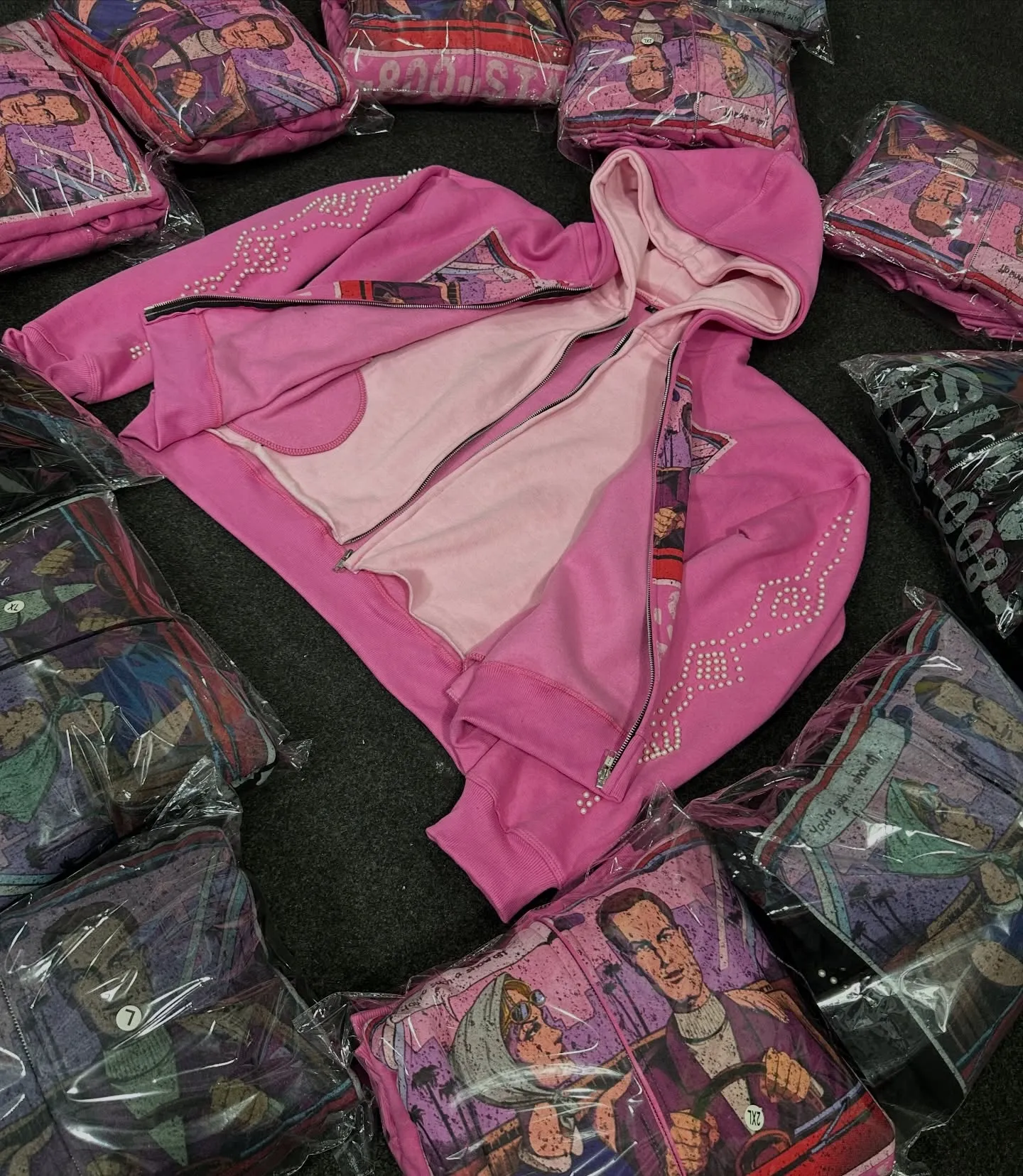
Coordinate fleece feel, hood volume, cuff width, pocket placement and artwork scale with the rest of the range. The hoodie design is specified independently.
Explore hoodie production ↗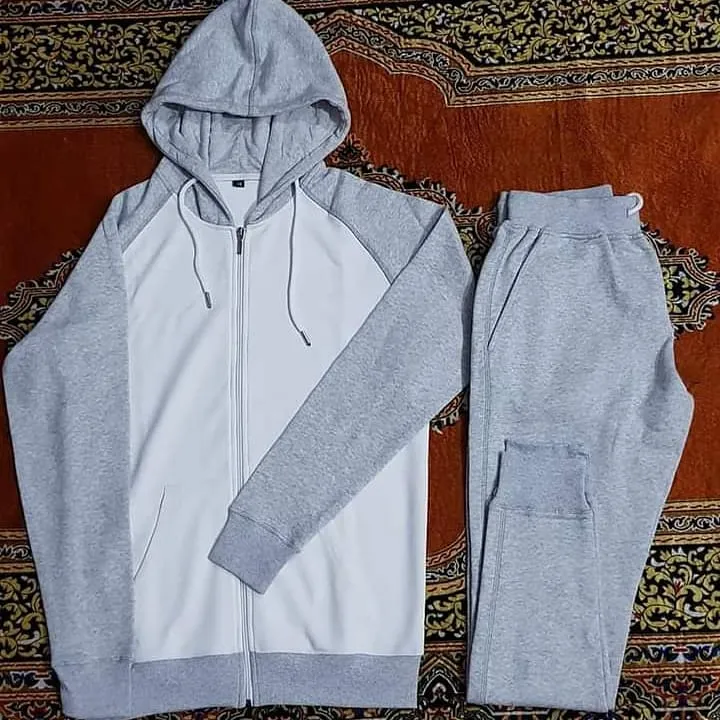
Plan top-to-bottom proportions, matching or intentionally contrasting colors, waistband construction and consistent trim standards for sets.
Explore tracksuit production ↗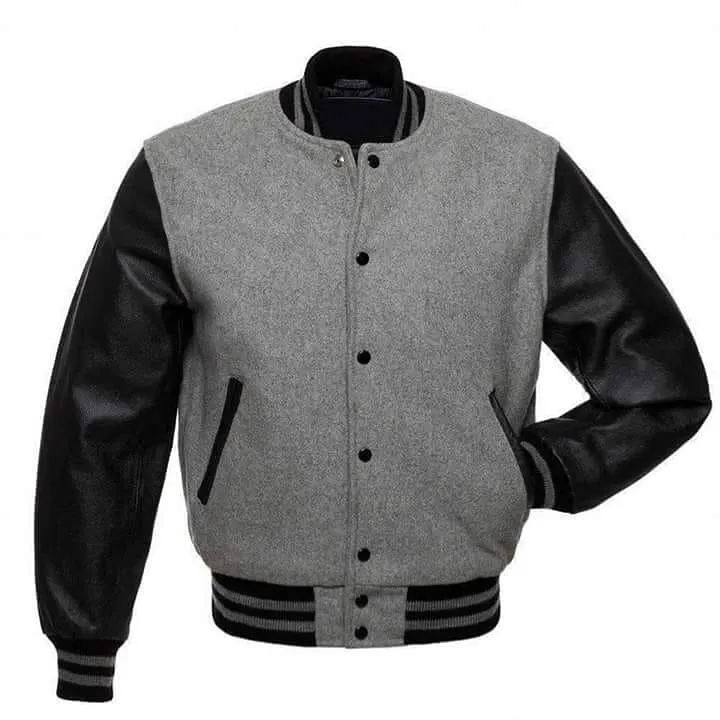
Consider the garment’s silhouette over hoodies, lining options, front closures, patch placements, rib trims and size grading before sampling.
Discuss outerwear ↗A capsule may repeat one artwork language across several garments. Map placements per size rather than assuming one graphic dimension works everywhere.
Explore print methods ↗Define seat ease, rise, inseam, leg opening, cuffs or straight hems, pocket bag construction and drawcord details as part of the collection brief.
Discuss custom bottoms ↗Images illustrate garments and manufacturing details from our factory portfolio; quoted specifications and decoration methods are agreed separately for each buyer’s design.
An “oversized” label cannot substitute for a graded measurement specification. Define the intended shape at sample stage, then use the same measurement logic across related garments.
Provide finished-garment measurements for a reference size: half chest, shoulder, body length, sleeve length, hem and any style-specific points. State whether measurements are taken flat and where the tape is placed.
Boxy, cropped, relaxed, drop-shoulder and wide-leg fits create different balance. Agree how the wearer should experience volume and how top and bottom proportions relate.
Discuss size increments, sleeve and hood relationships, print scaling and pocket positions before producing more sizes. A single “add 2 cm everywhere” rule rarely suits every garment component.
Test or review recovery, wash response, shrinkage and drape for the selected textile. A pattern approved in one fleece should not be assumed identical in a different knit or finish.
| Garment | Fit decisions to document | Useful sample checkpoint |
|---|---|---|
| Boxy T-shirt | Chest, shoulder drop, body length, sleeve opening, collar width | Neck recovery, hem balance, print placement |
| Pullover hoodie | Body width, hood depth, shoulder, sleeve volume, rib ratio | Hood shape, cuff recovery, pocket alignment |
| Zip hoodie / jacket | Zip length, front overlap, neck opening, body length | Zip lay, pocket symmetry, trim compatibility |
| Jogger / relaxed pant | Waist, hip, front rise, inseam, thigh and opening | Waist stretch, movement, pocket access |
These are planning fields, not a fixed factory sizing chart. The approved tech pack controls final measurements and tolerances.
GSM helps describe material weight, but weight alone does not establish quality. Construction, fiber composition, finishing, shrinkage and the garment pattern all matter.
A useful discussion range for some substantial tees. Confirm available constructions and wash results before choosing.
Weight directions for various sweatshirt and hoodie concepts, not a guarantee of specific stock fabric.
Compare lab dips or fabric swatches; check differences between jerseys, ribbing, fleece and trims.
Vintage, washed and distressed aesthetics need fabric-specific trials and written approval.
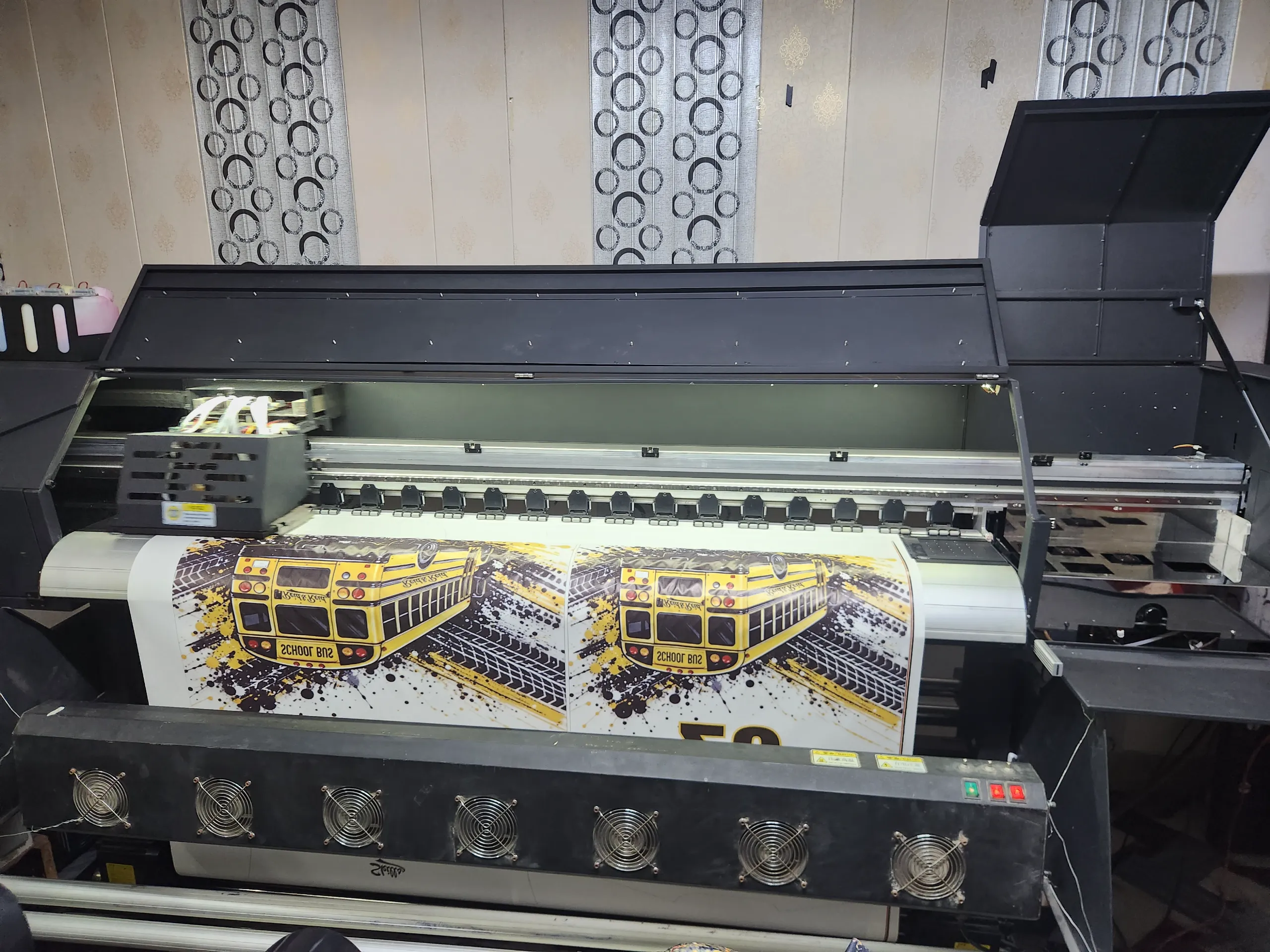
Good streetwear branding is a set of deliberate placements and finishes. We can review screen print, DTF (direct-to-film), embroidery, puff effects, patches and label options depending on the artwork, garment and available production method.
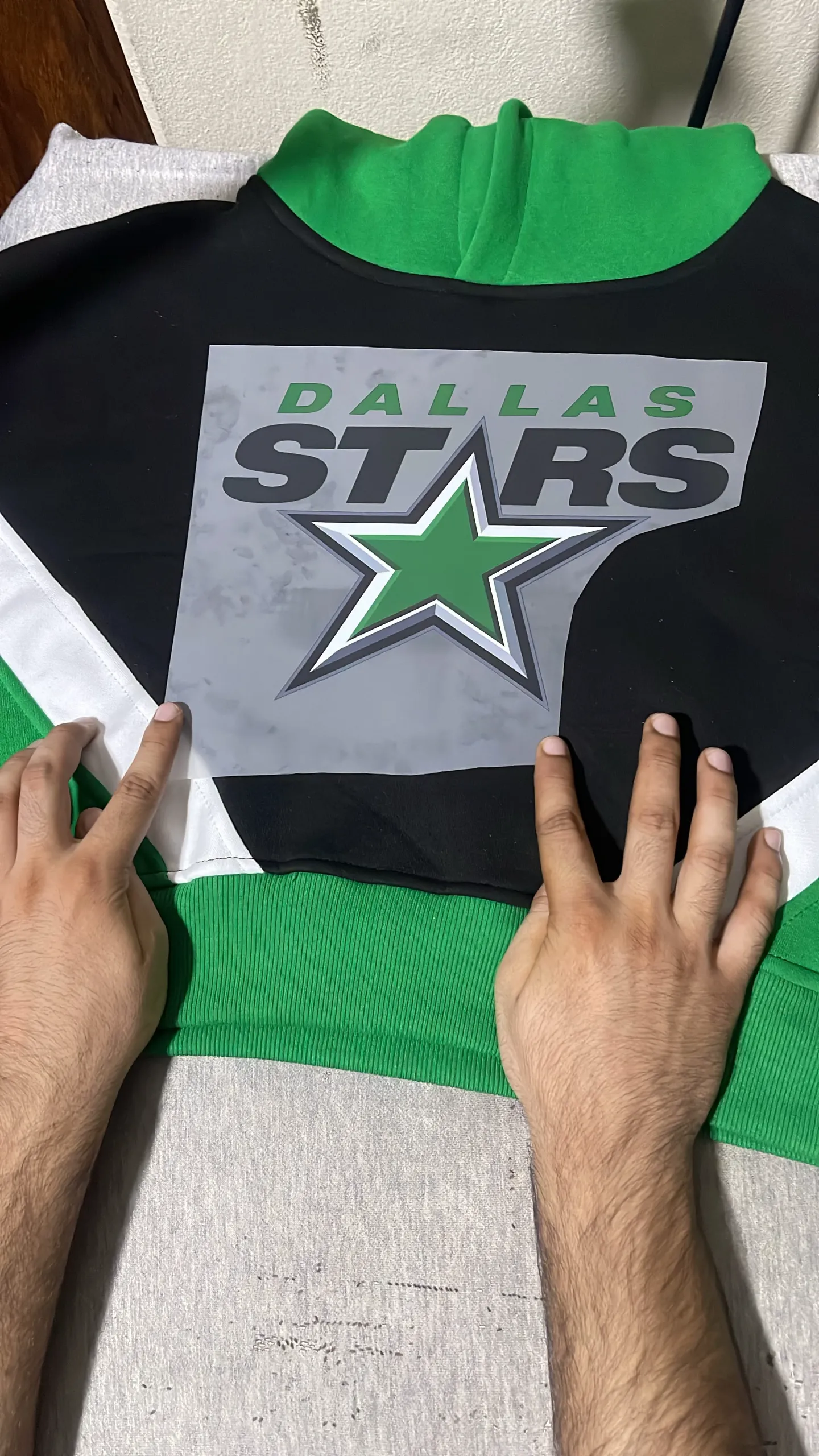
DTF can reproduce detailed multicolour artwork on suitable materials, but transfer feel, application conditions and wash response should be approved. Screen printing may be suitable for repeat graphic runs, while embroidery changes texture, drape and the appearance of fine details. Raised prints and specialty finishes should be sampled rather than promised from a visual reference alone.
Coordinate neck labels, care labels, hang tags, size stickers and packing presentation with the same brand system. For full private-label program requirements, use our Private Label Clothing Manufacturer guide .
A good brief allows each style to be costed and sampled without losing the bigger collection concept. You do not need a perfect technical pack to start a conversation—but written specifications make approval and repeat production more reliable.
List every SKU or garment type, intended fit, number of colors and initial size range.
Identify knit or woven construction, fiber preferences, GSM target and any wash effect.
Supply vector artwork where possible; specify each print, embroidery, label and trim position.
Share a reference garment, flat measurements, tolerance needs and grading expectations.
State quantities per garment, style, color and size—not just a total across the entire collection.
Share destination, intended launch date and shipping preferences so feasibility can be reviewed.
Coordinating multiple streetwear styles means aligning decisions across garments and recording approvals at the right time.
Review garments, target finish, size range, quantities and timing.
Discuss fabric options, color references, trims, available construction and cost drivers.
Develop or adapt patterns; produce a physical sample where agreed.
Review measurements, printing or embroidery placement, labels and finishing.
Confirm the final specification, approved reference and order details.
Prepare production components and sew to approved construction.
Assess measurements, workmanship, decoration and packing requirements.
Apply agreed labeling and packing; confirm freight and export paperwork.
The precise sampling sequence, production lead time, inspection method and documentation depend on the garment and agreed order terms. Read our complete manufacturing-process guide ↗
The photographs below come from our existing factory-media collection. Review the processes behind a finished streetwear piece: cutting, assembly, decoration, labels and order preparation.
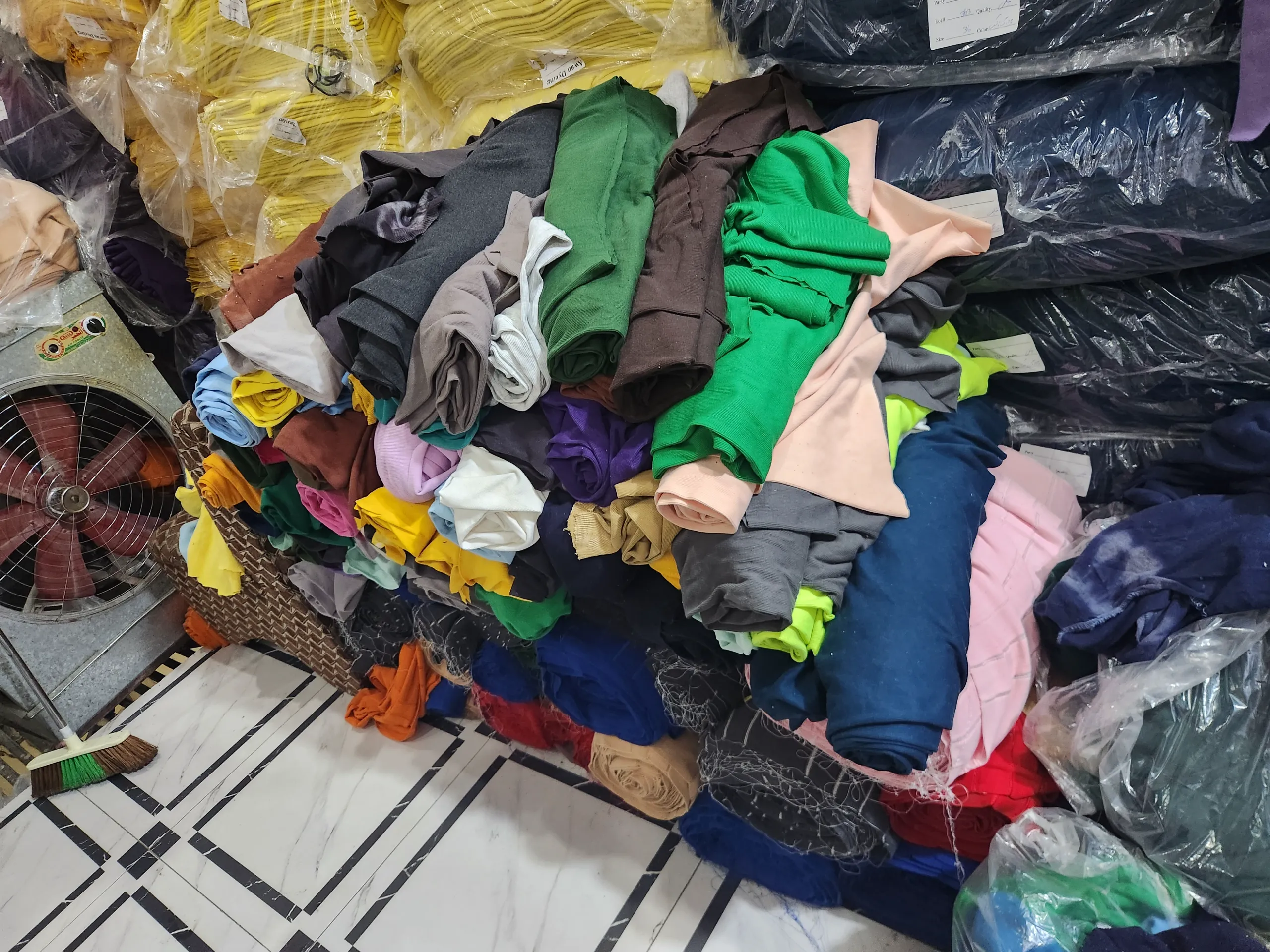
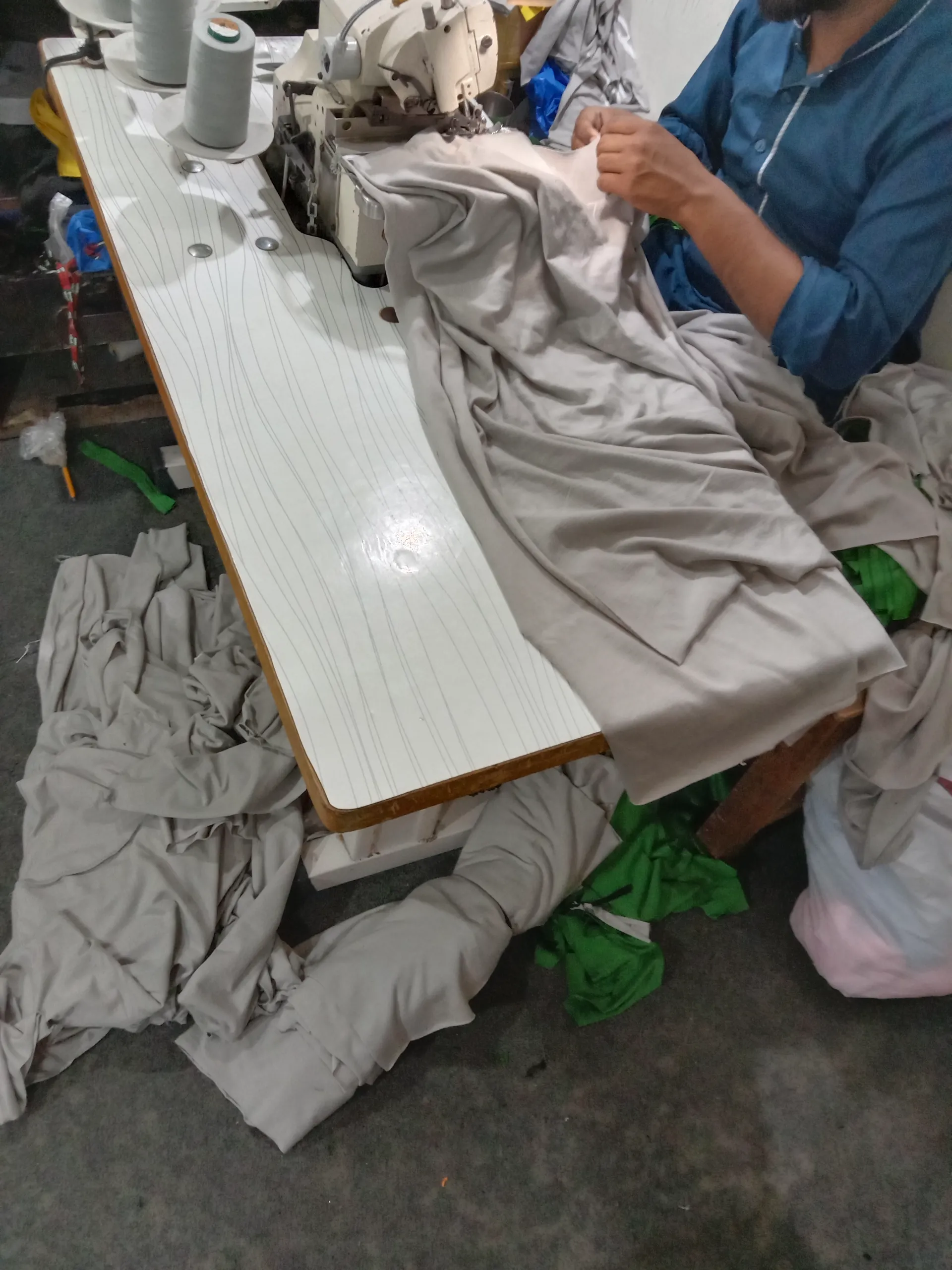
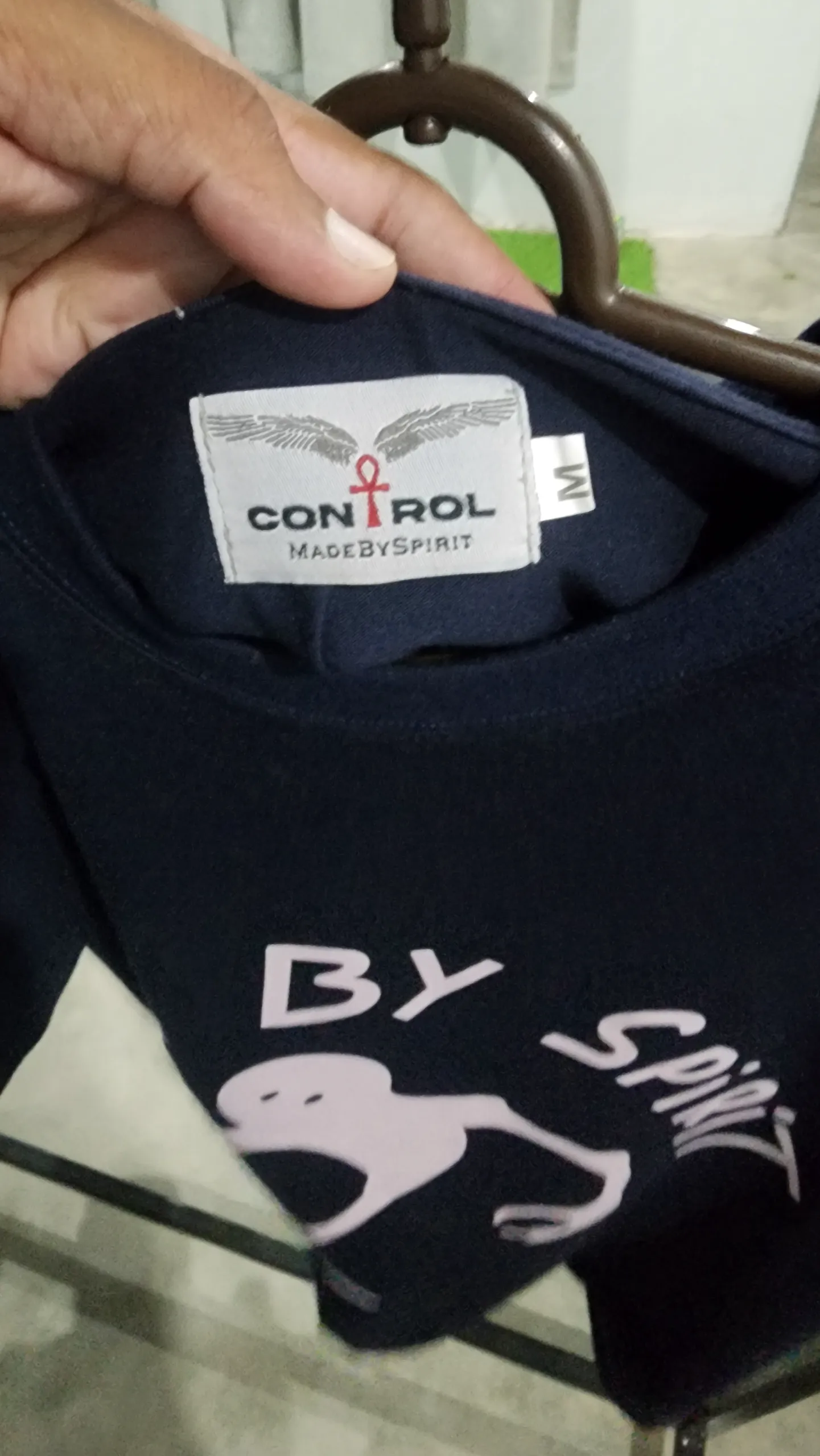
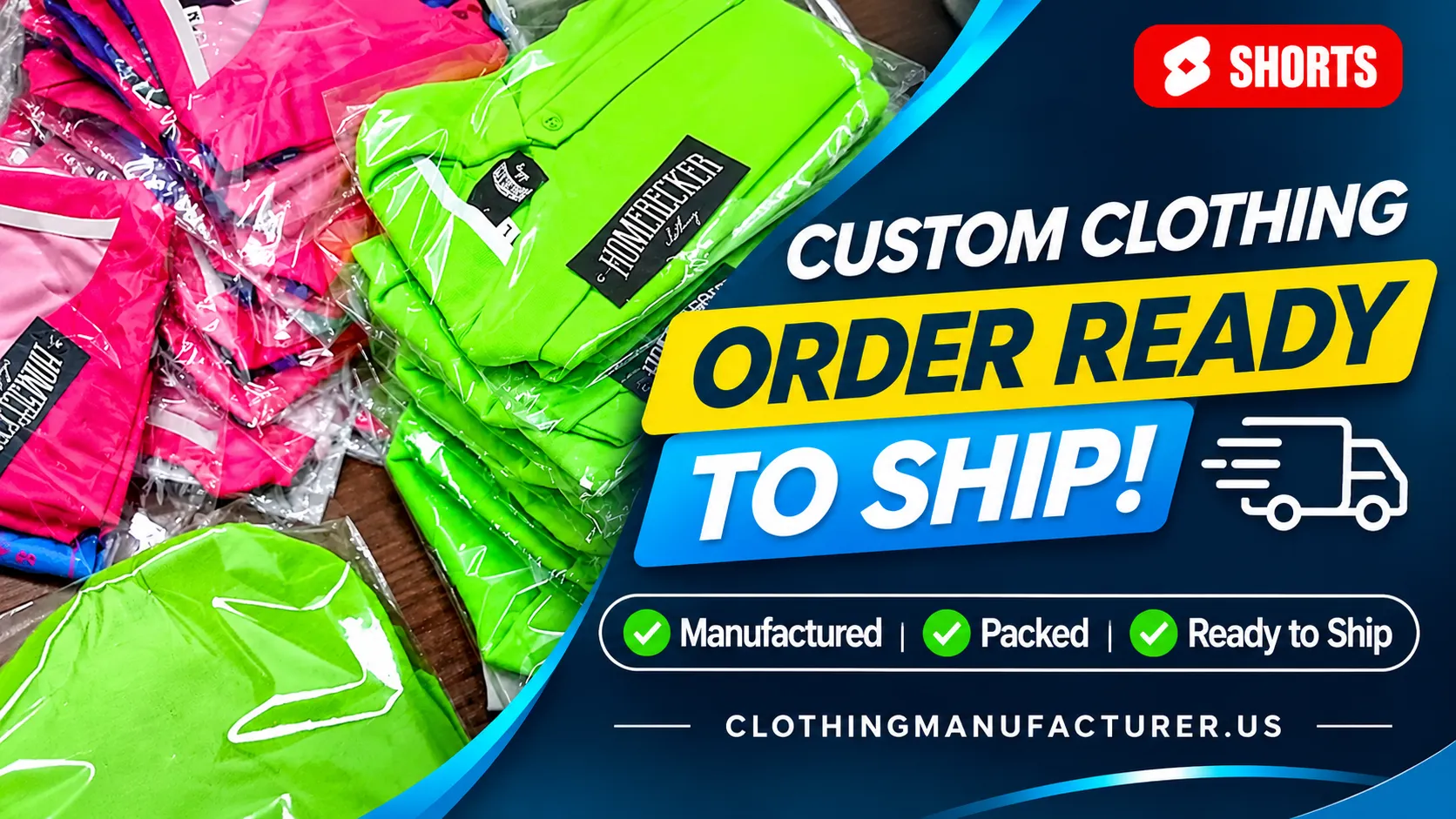
Project photographs show actual manufacturing work; they do not imply that every decoration, fabric or garment shown is included in a particular quotation.
Watch real cutting, decoration and finished-order preparation from our manufacturing work in Sialkot. These clips give buyers a closer look at the work behind finished garments.
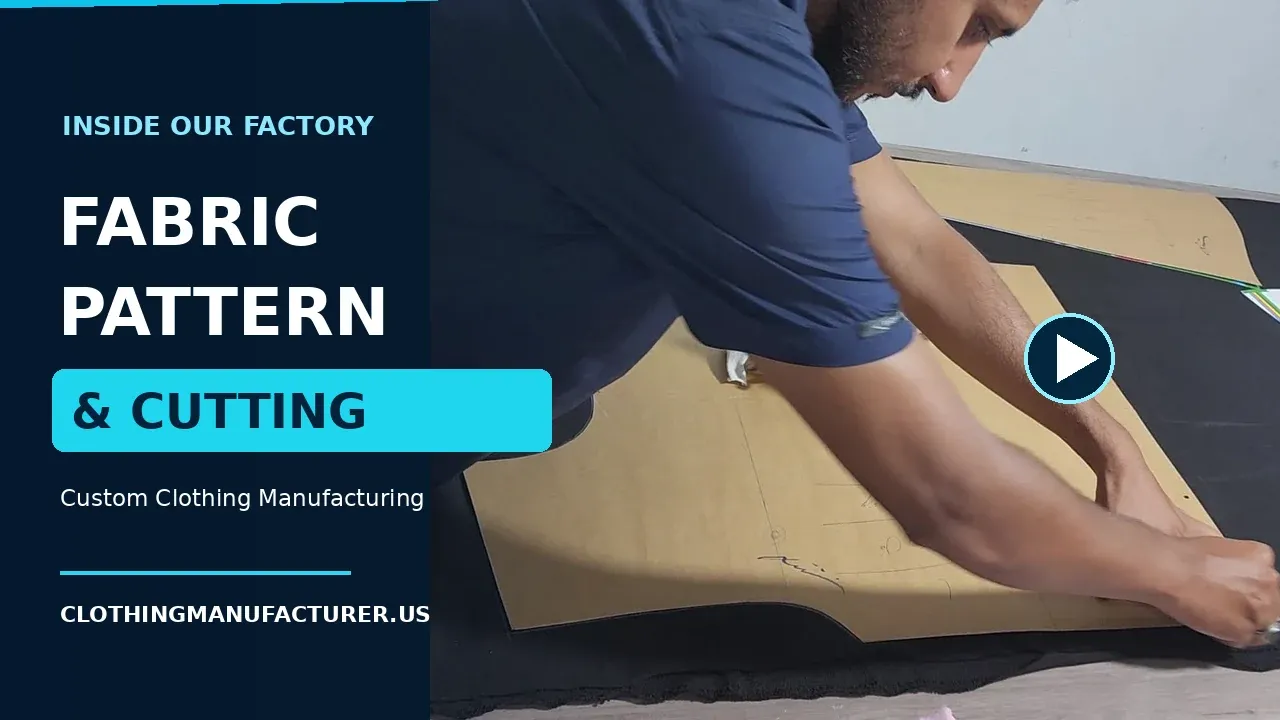 ▶
Real fabric-cutting and garment-assembly work on the production floor.
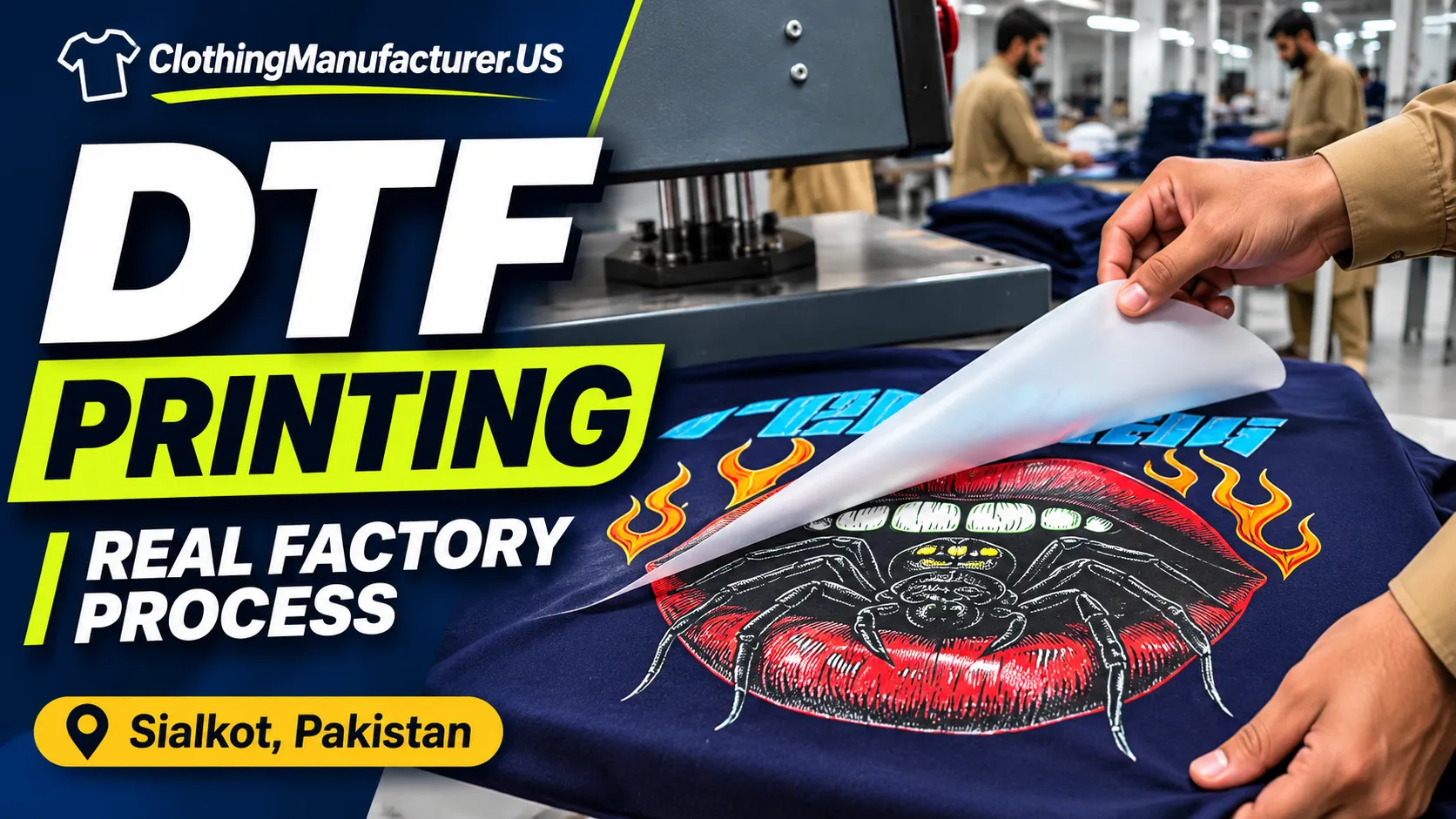 ▶
A direct-to-film graphic application demonstrated on a garment.
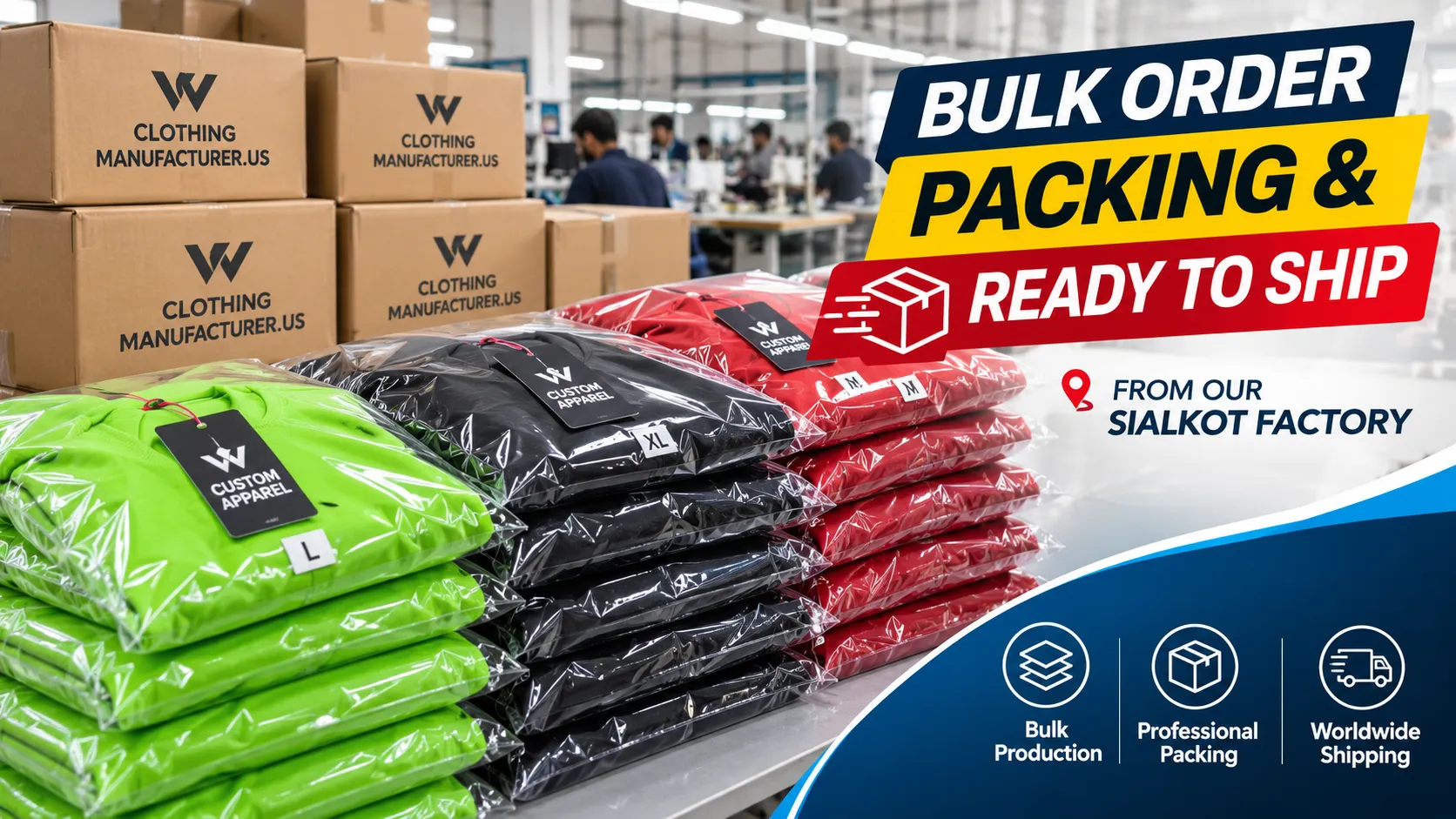 ▶
Finished-garment checking, presentation and packing work.
Factory footage helps buyers assess our production methods. For your own collection, we confirm the exact construction, materials and finish through your written brief and approved samples.
Our advertised starting point is 10 pieces per style and color, where manufacturing requirements allow. That is not automatically 10 units for an entire multi-garment collection. A hoodie and a T-shirt are different styles, with separate material, tooling and minimum-order considerations.
Specific fabrics, custom dye lots, trims, specialty embroidery and wash treatments can require higher practical quantities. We confirm what is feasible after reviewing the proposed designs and breakdown.
When comparing quotes, evaluate pattern and sample charges, fabric, construction, decoration, labels, packaging, shipping and duties. Ask for the total landed cost—not just the apparent factory unit price.
Buyers should be able to check whether the finished products match the approved sample—not rely on vague “premium quality” claims.
Compare approved color references, material hand feel, weight and shrinkage expectations; check intentional matching between styles without assuming different fabric constructions will look identical.
Review sample measurement points, accepted tolerances, seam types, stitch neatness, cuffs, zipper applications, pocket symmetry and other features identified in the approved specification.
Confirm logo scale, print position, embroidery placement, color handling and the location of neck, size and care labels. Decoration samples help establish the finish to be reproduced.
Agree fold style, individual bagging or other packaging, size sorting, carton marking, batch identification and any destination-specific document requirements before shipment.
ClothingManufacturer.US is based in Sialkot, Pakistan. Our services are available to prospective buyers in the United States, United Kingdom, Canada, Australia and European markets. We do not describe our factory as operating in those destination countries.
When assessing overseas manufacturing, compare sample quality, capacity for your specific fabrics and quantities, communication, production deadlines and the full landed cost. Domestic sourcing may be preferable when speed, local inspection or a specific country-of-origin requirement controls the project.
Freight methods and any delivered-duty-paid (DDP) arrangement must be quoted for the actual destination and product. Customs duties, labeling, importer responsibilities and compliance requirements should be verified for your market.
Discuss destination, size system, labeling, timing and import responsibilities during collection planning.
Agree garment specifications, labeling requirements, freight and applicable duties for each destination.
Plan seasonal delivery windows, fit references, and shipping estimates around the intended collection launch.
Keep written specifications and shipment responsibilities clear before confirming a production order.
Answers to common questions from clothing-label founders and sourcing teams deciding whether a multi-style collection is ready for production.
A custom streetwear manufacturer develops and produces garments to a buyer’s specifications rather than simply reselling ready-made blanks. This may include patterns, fabrics, grading, cutting, stitching, decoration, labeling and packing. Each project is scoped against the approved brief.
Yes, we can review a multi-style range, such as oversized T-shirts, hoodies, joggers and matching sets. Each garment must have a clear specification and its own quantity, color, fabric and approval requirements.
These silhouette directions can be discussed during development. The final fit is determined by measured patterns, construction details and sample approvals—not by using the word “oversized” alone.
Our advertised starting MOQ is 10 pieces per style and color where the design, fabric and production method make it feasible. Complex materials and decoration may require a higher minimum. Your written quotation confirms the final requirement.
Yes. Different garments may require different fabric constructions and weights. We recommend evaluating each material for drape, recovery, shrinkage and how it relates visually to the collection.
We can review artwork application, printing, embroidery and label options as part of the production brief. Send the graphic files, intended placements, label artwork and finish references so the method can be assessed.
A tech pack helps, but you can start with sketches, reference photos, target garment details, quantities, sizes and destination. More complete specifications support a more reliable quotation and sampling plan.
Yes, but our dedicated Custom Hoodie Manufacturer page offers the deeper hoodie-specific information. This page focuses on coordinating several streetwear garment types as a range.
Sampling can be discussed before production. Sample costs, revision limits and timelines depend on the design and are agreed with the quotation. Bulk production should follow an approved reference sample or equivalent signed-off specification.
Color references and material samples should be approved for each fabric construction. Different yarns and finishes can respond differently to dye or printing, so an exact appearance should not be assumed without physical comparison.
Fabric, pattern complexity, fit development, quantity by style and color, artwork method, labels, packaging, inspection, freight and import duties all affect cost. Compare quotes with the same assumptions.
We review international orders for these markets and others. Delivery method, lead time, destination charges and any DDP arrangement depend on product and route and must be confirmed in writing.
No. Our manufacturing operations are based in Sialkot, Pakistan. We serve buyers abroad and identify the actual country of manufacture accurately.
Prepare your range of styles, key measurements, target materials, reference graphics, quantities and shipping destination. Use the quotation form below or message the factory to discuss feasibility and sampling.
A useful manufacturing conversation starts with the range you want to produce: how many styles, which silhouettes, target fabrics, quantities, branding and destination. We will review feasibility before giving you order-specific information.
Email: info@clothingmanufacturer.us
WhatsApp: +1 (640) 203-5335
Production: Sialkot, Pakistan
Explore specialized manufacturing information for your next clothing collection.