
Cotton Knits
Single jersey, interlock, rib and piqué in combed, carded or other yarn options. Cotton is widely used where softness, breathability, screen printing and a familiar natural hand-feel matter.
T-shirtsPolosBasicsRib trims
Build a garment around measurable fabric decisions: fibre, construction, GSM, finish, stretch, colour and end-use performance. This page is the sourcing hub for brands that want a fabric brief a factory can actually reproduce.
Standing MOQ: 10 MOQ per color per style and up to 3 sizes. Fabric-mill minimums can differ for custom developments.
“Premium cotton” or “heavy fleece” is not a complete fabric brief. Two fabrics can share the same fibre content or GSM and still behave very differently because construction, yarn, finish and stretch change the result.
For each project, the practical question is: what should this garment feel like, how should it perform, and how should it look after production and washing? A structured oversized T-shirt, a breathable polo, a brushed hoodie and a compression legging require different specifications even when all four are described as “premium.”
We therefore treat fabric as a set of measurable choices: fibre, blend ratio, knit or weave, GSM, width, colour, finish, stretch/recovery and any project-specific performance requirements. If GSM is new to you, read our practical guide to fabric GSM.
Choose a garment below to see common fabric directions. These are starting points for sampling, not fixed rules; the final choice depends on climate, silhouette, budget, decoration and required performance.
Choose the structure first: lightweight retail basic, standard everyday tee or heavyweight streetwear silhouette.
Typical T-shirt projects often fall around 150–260 GSM, but construction and finish matter as much as the number.
Instead of limiting a brand to a short stock list, fabric selection can be developed around the garment. Availability, colour minimums and certification documents depend on the mill, construction and project.
Single jersey, interlock, rib and piqué in combed, carded or other yarn options. Cotton is widely used where softness, breathability, screen printing and a familiar natural hand-feel matter.
Loopback French terry for breathable midweight garments and brushed fleece for loft and warmth. Cotton-rich and blended constructions can be selected for structure, softness and wash performance.
Jersey, interlock, tricot, mesh and microfiber options for sport and technical apparel. Performance properties such as moisture management, quick drying or UV-related finishes should be specified and verified for the project rather than assumed from fibre content alone.
Elastane can be blended with cotton, polyester or nylon to improve stretch and recovery. The right percentage depends on fit, compression, movement and fabric construction. See our guide to spandex / elastane.
Twill, poplin, oxford, ripstop, nylon shell fabrics, softshell and selected denim constructions can be sourced for structured garments where abrasion resistance, wind protection, shape or layering matter.
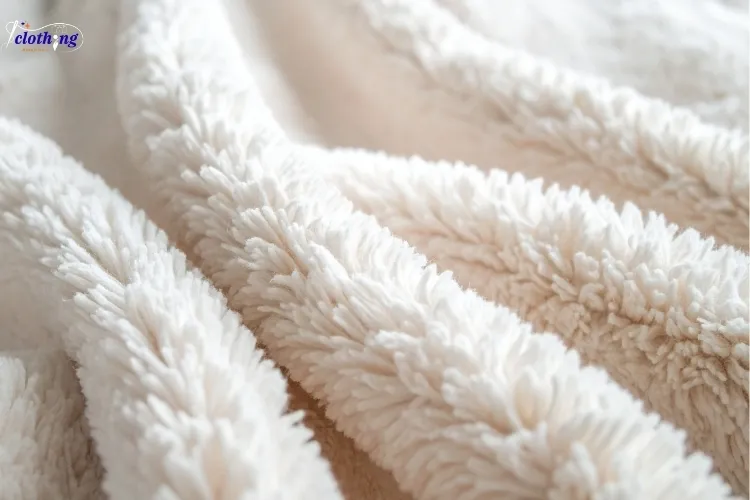
Velour, sherpa, satin, mesh, corduroy, wool blends and selected Merino options can be considered for projects where surface texture, insulation, drape or fashion positioning is central to the design.
A repeatable garment starts with repeatable inputs. These are the details we want clarified before sampling whenever they matter to the design.
Cotton, polyester, nylon, viscose, modal, wool or a defined blend ratio.
Single jersey, interlock, piqué, rib, terry, fleece, woven twill, mesh or another structure.
A target fabric mass per square metre with an agreed tolerance where required.
Important for marker planning, consumption and cutting efficiency.
Brushed, peached, compacted, washed, coated, moisture-management or other finish.
Stock colour, Pantone reference, lab dip or project-approved shade standard.
Stretch/recovery, dimensional stability, colourfastness, water repellency or other measurable target.
Approve the actual hand-feel, drape, colour and garment behavior before bulk.
GSM means grams per square metre. It is useful because it makes fabric weight measurable, but it does not tell you fibre quality, thickness, softness, stretch, warmth or durability by itself.
A compact cotton jersey and a lofty brushed fleece can carry similar weight on paper while feeling completely different in thickness and warmth. Yarn count, loop structure, brushing, fibre density and finishing all change how the material behaves.
For a deeper explanation, including why equal GSM does not mean equal quality, use our What Is GSM in Fabric? guide.
“100% cotton” can describe a lightweight jersey, a dense interlock, piqué, rib, French terry or fleece. The fibre may be the same, but the construction changes drape, stretch, warmth, surface texture and how the garment accepts printing or embroidery.
Testing should match the risk of the garment and the buyer’s specification. We do not treat one generic “fabric test” as proof of every performance claim. Depending on the project, checks can include the following.
Confirm that received fabric is reasonably aligned with the approved weight specification and sample.
Wash or conditioning checks help reveal whether length and width change could affect final garment measurements.
Compare lots or rolls for visible shade variation before mixing fabric in the same production run.
Where relevant, assess whether rubbing and wear could create pills, fuzzing or rapid surface change.
For suitable projects, check resistance to washing, rubbing or perspiration using the method agreed for the order.
For elastane and performance garments, evaluate movement and recovery so the fabric does not remain bagged out after wear.
These ranges are useful for development conversations, but they are not universal standards. Final GSM and blend should be approved from the actual construction and garment sample.
| Fabric | Common composition | Typical GSM range | What it is good at | Common garments |
|---|---|---|---|---|
| Single Jersey Core | Cotton, cotton blends, polyester | 130–260 | Soft knit, print-friendly, broad weight range | T-shirts, tops, basics |
| Interlock | Cotton, polyester, blends | 170–300 | Smoother, more stable double-knit structure | Polos, tops, uniforms, activewear |
| Piqué | Cotton or cotton/poly | 180–260 | Textured surface with smart, breathable appearance | Polo shirts, uniforms |
| French Terry Popular | Cotton-rich or blended | 220–360 | Smooth face with loopback interior; less lofty than brushed fleece | Hoodies, sweatshirts, joggers |
| Brushed Fleece Streetwear | Cotton-rich, poly/cotton, polyester | 280–500+ | Warm, soft interior with stronger visual weight | Hoodies, sweatshirts, tracksuits |
| Polyester Tricot | Polyester | 130–220 | Smooth, durable, suitable for sport and sublimation | Tracksuits, teamwear, linings |
| Performance Jersey | Polyester or poly/elastane | 130–220 | Lightweight movement; can be engineered for moisture management | Training tops, sports kits |
| Stretch Jersey | Cotton/elastane, poly/elastane, nylon/elastane | 160–300 | Stretch and recovery for close-to-body garments | Leggings, fitted tops, stretch scrubs |
| Twill | Cotton, poly/cotton, stretch blends | 180–360 | Structured woven fabric with visible diagonal weave | Workwear, overshirts, trousers, jackets |
| Ripstop | Nylon, polyester, cotton blends | 90–240 | Grid reinforcement helps resist tear propagation | Outdoor pieces, cargos, light jackets |
| Velour | Polyester, cotton blends | 220–340 | Plush pile and reflective surface appearance | Fashion tracksuits, loungewear |
| Sherpa / Pile | Polyester, blends | 250–500+ | Lofty insulation and textured surface | Jackets, linings, winter layers |
The aim is to remove ambiguity before cutting starts. A good fabric process is less about promising a giant catalogue and more about approving the exact material that belongs in your garment.
Share the product, target feel, season, fit, decoration, target price and any reference garment.
Shortlist suitable fibres, constructions, weights, stretch and finishes based on the end use.
Review available fabric, lab dip or colour reference where custom dyeing is part of the project.
Judge fabric in the actual pattern: drape, recovery, print, embroidery, stitching and wash behavior.
Lock the approved specification and use it as the production reference for the order.
This fabric workflow sits inside our wider clothing manufacturing process, where sampling, cutting, sewing, decoration and QC are coordinated around the approved specification.
Organic, recycled and cellulosic materials can be valuable options, but claims should be tied to the actual mill, fibre and documentation available for your order. We prefer specific sourcing language over vague green claims.
Can be sourced for selected constructions. If certification is important, request the relevant transaction or scope documentation before using a certified claim in marketing.
Available for selected jerseys, tricot, fleece and outerwear fabrics. Recycled-content claims should match supplier documentation for the production lot.
Regenerated cellulosic fibres can add softness and drape. They are different fibre types and should not be treated as interchangeable. Compare our guides to modal fabric and viscose fabric.
Recycled paper, reduced-plastic packaging and other options can be discussed alongside garment requirements so claims and materials remain practical for shipping and retail.
Use these guides when you need to understand a fibre, structure or fabric specification before approving a sample. This section connects the sourcing page to the fabric education cluster already published on ClothingManufacturer.US.
Start here for fibres, knits, wovens, fabric families and how material choices become garments.
Read the complete fabric guide → 02 / WEIGHTUnderstand fabric weight, useful GSM ranges and why heavier does not automatically mean better quality.
Understand GSM → 03 / STRETCHSpandex vs elastane vs Lycra, blend percentages, recovery and how stretch fibres change apparel performance.
Explore stretch fibres → 04 / COTTONExtra-long-staple cotton, Supima, softness, durability and premium apparel use.
Pima cotton guide → 05 / WOVENWales, pile structure, garment uses, care and practical manufacturing considerations.
Corduroy guide → 06 / CELLULOSICBeech-wood cellulose, softness, wet strength, blends and where modal works best in apparel.
Modal guide → 07 / KNITLoopback construction, GSM, blend options and when to choose terry instead of brushed fleece.
French terry guide → 08 / TWILLWarp-faced twill, indigo, weight, stretch denim and how construction affects jeans and jackets.
Denim guide → 09 / SELECTIONUse weave or knit, fibre, GSM and finish to specify T-shirts, polos, dress shirts and overshirts.
Shirt fabric guide → 10 / CELLULOSICRayon-family chemistry, drape, breathability, wet strength, shrinkage and garment applications.
Viscose guide → 11 / BRUSHEDBrushed surfaces, fibre choices, weight and why flannel is a finish-and-construction story, not one fibre.
Flannel guide → 12 / LABELINGUS rayon labeling, its relationship to viscose, common blends and sourcing notes for clothing brands.
Rayon guide →Projects can use cotton knits, French terry, fleece, polyester performance fabrics, elastane blends, selected nylon and woven fabrics, velour, sherpa and other specialty materials. Final availability depends on construction, colour, quantity and mill availability.
Yes. Share the target fibre or blend, GSM, construction and desired hand-feel. If your specification is incomplete, we can propose practical options for sampling based on the garment and end use.
No. GSM measures fabric mass per square metre. A higher number means more mass, not automatically better yarn, construction, softness, durability or finishing. Quality needs to be judged from the complete specification and physical sample.
French terry typically has visible loops on the inside and is less lofty. Fleece is commonly brushed on the inside to raise fibres and create a softer, warmer surface. Both can be made in different fibre blends and weights.
Selected organic-cotton and recycled-polyester options can be sourced. If your brand needs a certified claim, specify the required certification and ask for the applicable documentation before approval.
A physical reference can help us match the direction, but an exact match depends on whether the same yarn, knit construction, dye, finish and mill source are available. We normally reproduce the required performance and hand-feel through sampling rather than promising an unseen exact copy.
Swatches or material references can be arranged as part of development so you can review colour, surface and hand-feel before bulk. For the most reliable decision, approve the fabric again in the actual garment sample.
Heavyweight cotton jersey, dense French terry and cotton-rich brushed fleece are common starting points. The best option depends on whether you want a structured tee, loopback sweatshirt or warm brushed hoodie, so construction matters alongside GSM.
Polyester/elastane and nylon/elastane knits are common because they can provide stretch, recovery and quick-drying performance. The exact blend, knit and finish should be chosen for the movement, compression and moisture requirements of the garment.
Include fibre content or blend ratio, construction, GSM target, colour reference, finish, stretch or performance requirements, and any test method or tolerance that matters. A swatch reference or approved sample makes the specification much clearer.
Our standing production MOQ is 10 MOQ per color per style and up to 3 sizes. Fabric-dyeing or mill-specific minimums can be higher for certain custom materials, so stock or available colours may be more practical for very small runs.
Yes. Surface texture, stretch, fibre content and garment weight affect decoration. Smooth cotton jersey can be ideal for many prints, piqué can favor embroidery, sublimation generally requires suitable polyester, and stretch fabrics need decoration methods that can move with the garment.
Share your product reference, target GSM or hand-feel, preferred composition, colour, quantity and decoration. We can then narrow the fabric direction before sampling instead of guessing from a generic fabric name.