

What Is Pima Cotton?
The extra-long-staple fiber known for a silky feel and serious durability — named after a tribe, not a trademark.
What is pima cotton, in short?
Pima cotton is an extra-long-staple (ELS) cotton fiber from the plant Gossypium barbadense, grown mainly in Peru and the American Southwest. The longer fiber spins into smoother, stronger yarn than standard cotton, which is why it shows up in premium T-shirts, sheets and loungewear. When it's 100% American-grown and meets certain purity standards, it can carry the licensed Supima trademark — but plenty of genuine pima, especially from Peru, isn't Supima at all.
What does “pima” actually mean?
It's a tribute, not a trademark or a growing region.
“Pima” refers to the Pima Native American people of Arizona, who helped the U.S. Department of Agriculture grow early test crops of this cotton variety on the Pima reservation's Sacaton Experiment Farm in the early 1900s. In gratitude, the USDA named the resulting cotton after them. So unlike “Egyptian cotton,” which refers to a place, pima cotton is named after the people who helped develop it.
Botanically, pima belongs to the species Gossypium barbadense — the same species behind Egyptian and Sea Island cotton — which naturally produces longer fibers than Gossypium hirsutum, the “upland” cotton that makes up roughly 90% of the world's cotton supply. That extra fiber length is the whole reason pima gets treated as a premium material rather than a commodity one. You can read more about the species on Wikipedia's Gossypium barbadense entry.
It's worth separating the naming history from the growing history. The USDA breeding program at Sacaton is where the American name "pima" was coined, but extra-long-staple Gossypium barbadense cotton had already been cultivated along Peru's coast for thousands of years, long before it carried that label. So when you see "Peruvian pima," you're looking at a much older agricultural tradition wearing a comparatively recent American name — not a knockoff of the U.S. crop.
Where does pima cotton come from?
Two very different climates, one long-staple fiber.
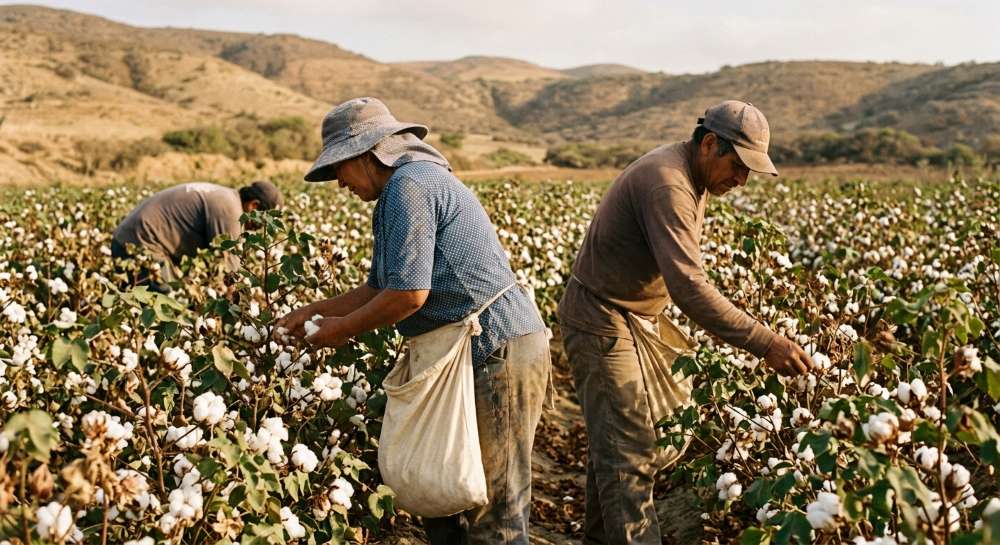
Pima cotton is grown commercially in two main places: the coastal valleys of Peru, where it's been cultivated for centuries and is prized for its fine, silky hand, and the irrigated deserts of the American Southwest — California, Arizona, Texas and New Mexico — where American pima meeting Supima's standards earns that trademark.
Field to fabric: how pima becomes cloth
-
1
Grown
Cultivated in Peru's coastal valleys and irrigated fields across California, Arizona, New Mexico and Texas.
-
2
Picked
Bolls are harvested once mature; premium lots are often hand-picked to protect the long fibers from breaking.
-
3
Extra-long staple
Each fiber runs roughly 1.3–1.5 inches — noticeably longer than the 0.9–1.2 inch fibers of standard upland cotton.
-
4
Combed & carded
The fiber is combed to remove short strands and impurities, leaving a smoother, more uniform strand behind.
-
5
Spun & woven
Combed fiber is spun into fine, strong yarn, then woven or knit into fabric with a noticeably smoother hand-feel.
-
6
Certified (optional)
If the yarn is 100% U.S.-grown pima meeting purity standards, it can be licensed and sold as Supima.
Pima cotton vs. Supima cotton
One is a cotton variety. The other is a trademark built on top of it.
Every Supima fiber is pima cotton, but not every pima fiber is Supima. Supima is a trademark owned by the Supima organization — it isn't a separate plant, it's a licensing seal that only applies to yarn and fabric made from 100% American-grown pima that passes strict quality and purity checks.
Supima® = 100% USA-grown, licensed & verified
Sits entirely inside the broader pima category. Peruvian pima and blended pima fabrics are genuine pima cotton, but they don't qualify for this trademark.
| Pima (general) | Supima® (certified) |
|---|---|
| A cotton variety grown in Peru, the U.S. and elsewhere | A licensed trademark, not a separate variety |
| May be blended with other cotton | Must meet strict purity & quality standards |
| Origin claims aren't independently policed | Origin is independently licensed and enforced |
Source: Supima.com, the official organization behind the trademark.
Pima cotton vs. Egyptian cotton
Both are extra-long-staple relatives — which is exactly why they get compared so often.
Pima Cotton
Peru & the U.S. Southwest- Staple length
- ~1.3"–1.5"
- Feel
- Soft, silky, strong
- Verification
- Supima trademark confirms U.S. origin
- Typical price
- Generally more accessible
Egyptian Cotton
Nile River Delta, Egypt- Staple length
- ~1.3"–1.6"+ (top grades)
- Feel
- Very soft, slightly higher sheen at top grades
- Verification
- No trademark; label is widely misused at retail
- Typical price
- Often priced at a premium, genuine or not
Which is better? Neither fiber is automatically stronger — quality comes down more to staple length, spinning and finishing than to the name on the label. A verified, well-constructed pima or Supima fabric will usually outperform an unverified “Egyptian cotton” product, simply because you can trust where it actually came from.
Is pima cotton good quality?
Six things buyers usually want to know before they commit to a fabric.
Most of pima's reputation comes down to one physical fact: fiber length. A longer fiber needs fewer twists to hold together in a strong yarn, which is why pima fabric tends to feel smoother, resist pilling longer, and hold its shape better through repeat washes than fabric spun from shorter-staple cotton. The six properties below are the ones that come up most often when brands are deciding whether to spec pima for a product.
Soft
Long, fine fibers mean fewer short ends poke through the yarn, so pima feels smooth against skin from the first wash — not just after it's broken in.
Breathable
Combed, evenly spun yarn creates an open fabric structure that lets air move through, which is why pima works well in warm-weather tees and lightweight sheets.
Durable
Longer fibers hold together more tightly during spinning, so pima yarn resists pilling, tearing and thinning better than short-staple cotton over repeated washes.
Shrink-resistant
Pima isn't shrink-proof, but its tighter, more consistent fiber structure typically shrinks less than lower-grade cotton when washed cold and dried on low heat.
Skin-safe
The raw fiber itself contains no synthetic additives. Skin-irritation concerns usually trace back to dyes or finishes added later — look for OEKO-TEX or GOTS-certified processing if that matters.
Organic options exist
Standard pima farming can use conventional methods, but certified organic pima cotton is available if it matters to your sourcing standards — worth specifying up front.
What is pima cotton used for?
From everyday tees to hotel-grade sheets — and the commercial blends built around it.
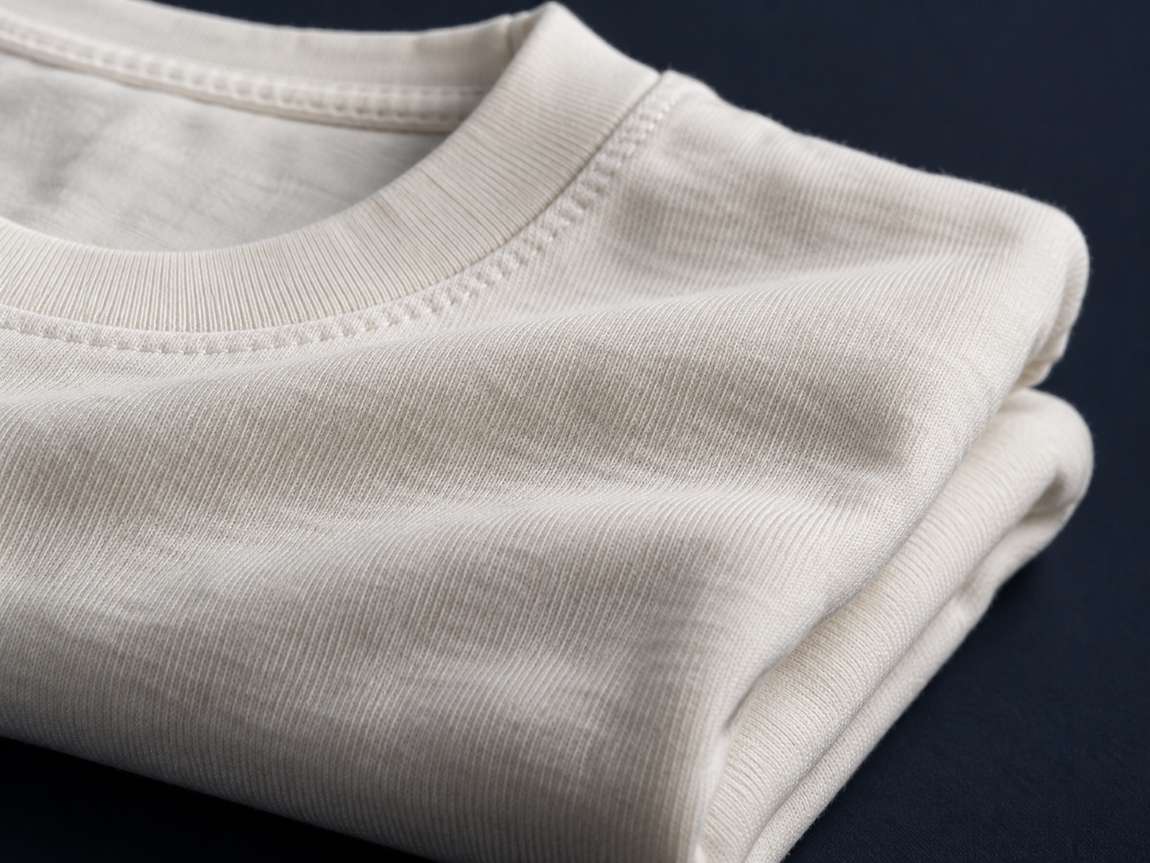
T-shirts & knitwear
Pima's smooth hand-feel and durability make it a popular upgrade over standard cotton for premium tees, henleys and baby clothing.
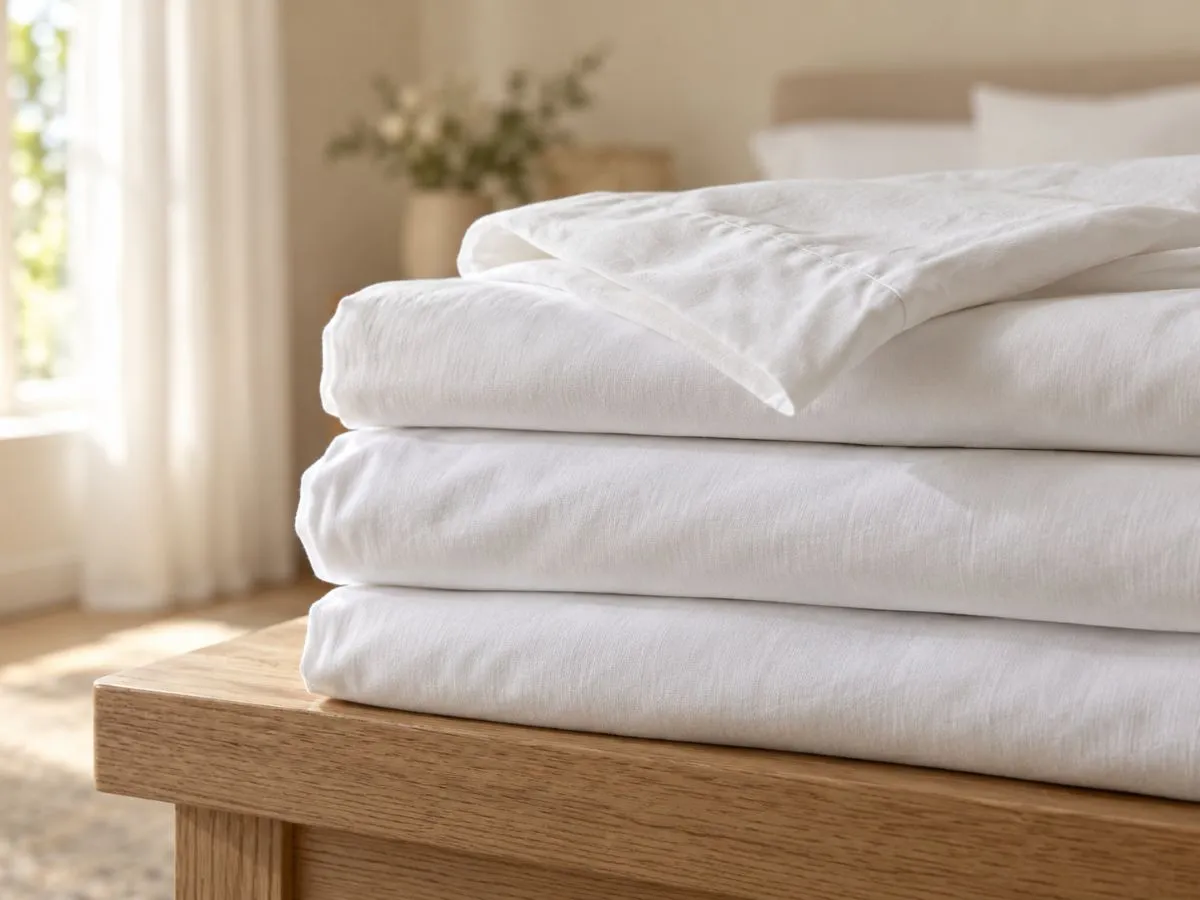
Bed sheets & loungewear
Higher thread-count sheets, pillowcases and robes often use pima or Supima yarn, since long fibers weave into a smoother, less linty fabric.
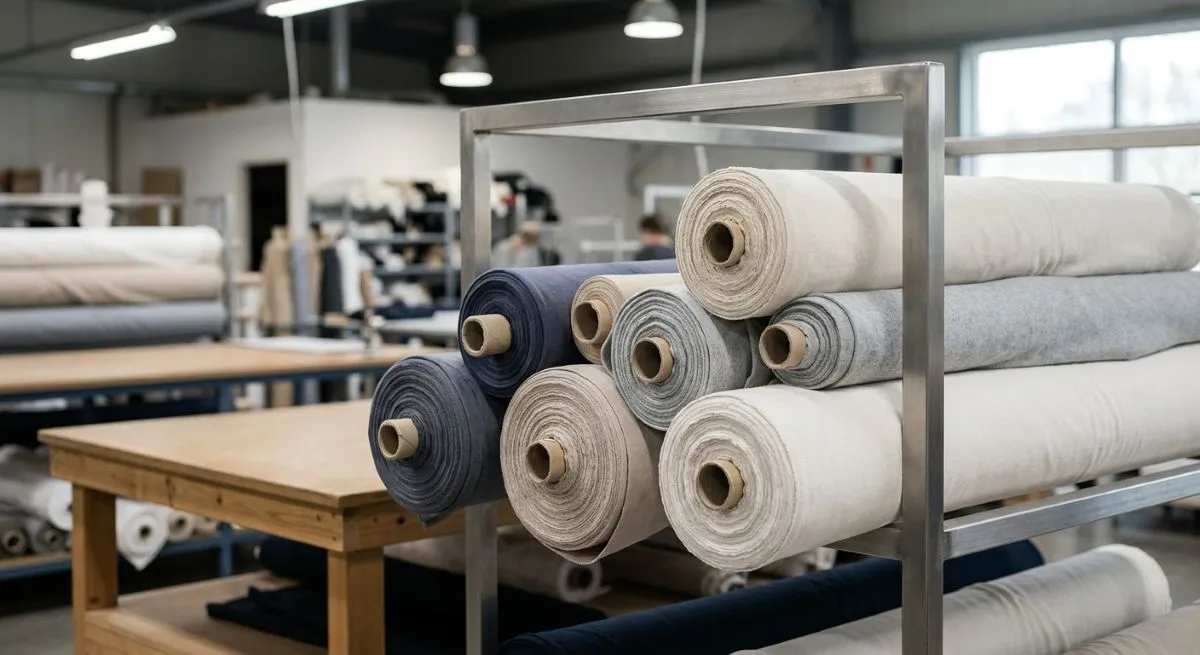
Pimatex & blended fabrics
“Pimatex” is a commercial name for cotton-rich blends — often cotton/poly — built around pima fiber, used in workwear and mid-market apparel.
Sourcing pima-grade or pimatex fabric for a private label or wholesale order? Our fabric library can help you match a blend to your price point and end use — see our private label and t-shirt manufacturing options.
Pima vs. regular cotton, combed cotton & percale
Three terms people mix up because they describe different things: fiber, process, and weave.
Product labels often stack these terms together — "combed pima percale sheets," for instance — which makes it easy to assume they're competing options. They're not. Fiber type, finishing process and weave structure sit on three separate axes, and a single fabric can combine all three at once. Here's what each one is actually describing:
| Term | What it actually describes | How it relates to pima |
|---|---|---|
| Regular (upland) cotton | A fiber type — Gossypium hirsutum, shorter staple (~0.9"–1.2") | A different, shorter-staple species than pima; makes up most of the world's cotton |
| Combed cotton | A finishing process that removes short fibers and impurities | Can be applied to any cotton, including pima, to make it smoother |
| Percale | A tight, one-over-one-under weave with a matte finish | A weave structure — pima yarn can be woven into a percale, sateen or jersey |
Need pima-quality fabric for your brand?
We help private label and wholesale brands source, spec and build garments around the right fiber for their price point.
Frequently asked questions about pima cotton
Quick, direct answers to the questions people ask most.
Pima cotton is an extra-long-staple (ELS) fiber from the plant Gossypium barbadense, grown mainly in Peru and the American Southwest. Its longer fibers make yarn that's smoother, stronger and less prone to pilling than fabric made from standard upland cotton.
It comes from the Pima Native American people of Arizona, who helped the USDA grow early test crops of this variety on the Pima reservation in the early 1900s. The name honors the tribe — it isn't a place or a brand.
Supima is a trademark owned by the Supima organization, licensed only to yarn and fabric made from 100% American-grown pima cotton that meets strict quality and purity standards. It's a certification, not a separate plant variety.
Pima is the cotton variety itself, grown in Peru, Arizona, California, Texas and New Mexico. Supima is a licensed trademark that only American-grown pima meeting certain quality thresholds can carry — all Supima is pima, but not all pima is Supima.
No. Pima and Egyptian cotton are both extra-long-staple varieties of Gossypium barbadense, which is why they're compared so often, but they're grown in different regions — pima in Peru and the U.S., Egyptian cotton along Egypt's Nile Delta.
The differences mostly come down to growing region and verification. Genuine top-grade Egyptian cotton can have slightly longer fibers, but the label is also widely misused at retail. Pima carries the licensed Supima trademark when it's 100% U.S.-grown, making authenticity easier to confirm.
Neither fiber is automatically better. Quality depends more on staple length, spinning and finishing than on the region's name alone. A verified, well-constructed pima or Supima fabric will typically outperform an unverified Egyptian cotton product.
Both are extra-long-staple fibers with comparable strength when genuine. In practice, how the yarn is combed, spun and woven affects durability more than whether the raw fiber is labeled pima or Egyptian.
Mainly in Peru's coastal valleys and in irrigated regions of the U.S. Southwest, including California, Arizona, Texas and New Mexico.
Yes. Peru is one of the largest producers of pima cotton, and Peruvian pima is well-regarded for its fine, silky fibers, though it isn't eligible for the U.S.-only Supima trademark.
They're the same cotton variety, but American pima grown to Supima's standards can carry that trademark, while Peruvian pima — despite often being excellent quality — is marketed on its own regional reputation instead.
Not by default. Most commercial pima is grown conventionally, but certified organic pima cotton does exist and is grown without synthetic pesticides or fertilizers — worth specifying at the sourcing stage if it matters to your brand.
Yes. Pima is generally considered a premium cotton because its extra-long staple produces a smoother, stronger, less linty yarn than standard upland cotton, which is roughly 90% of the world's cotton supply.
Yes. The long, fine fibers mean fewer short ends poke through the yarn's surface, giving pima fabric a smooth, soft feel from the first wash rather than only after it's broken in.
Yes. Combed, evenly spun pima yarn creates an open, consistent fabric structure that lets air move through easily, which is one reason it's common in warm-weather T-shirts and lightweight sheets.
Raw pima cotton fiber itself isn't toxic. Skin-irritation concerns with a finished garment usually come from added dyes, finishes or fiber blends during manufacturing rather than the cotton fiber — look for OEKO-TEX or GOTS-certified processing if that's a priority.
Pima isn't shrink-proof, but its tighter, more consistent fiber structure typically shrinks less than lower-grade cotton when washed correctly — cold water and a low-heat or air dry help preserve size and softness.
Pima fiber typically runs about 1.3 to 1.5 inches long, compared to roughly 0.9 to 1.2 inches for standard upland cotton — the extra length is what earns it the extra-long-staple classification.
Pima and Supima cotton are common in premium T-shirts and knitwear, bed sheets, pillowcases, loungewear and baby clothing — anywhere a soft feel and durability against repeated washing matter most.
Yes. Pima's long fibers spin into fine, smooth yarn that weaves into sheeting with less lint and a silkier surface than sheets made from shorter-staple cotton, which is why it shows up often in higher thread-count bedding.
“Regular” usually means upland cotton, which has a shorter staple — around 0.9 to 1.2 inches — and makes up most of the world's cotton. Pima's longer staple produces a smoother, stronger, less pill-prone fabric, generally at a higher price point.
Combing is a finishing process — removing short fibers and impurities — that can be applied to any cotton, including pima, to make it smoother. Percale is a tight, matte weave structure, not a fiber type. Pima can be combed and woven into a percale, sateen or jersey structure depending on the end product.
Yes. Its softness and durability make pima a popular upgrade from standard cotton for premium T-shirts, especially for brands positioning a product above basic tees.
Pimatex is a commercial fabric name for cotton-rich blends — often cotton and polyester — built around pima fiber. It's used in workwear, uniforms and mid-market apparel where brands want a softer feel at a lower cost than 100% pima fabric.
The short version
Pima cotton earns its premium reputation honestly: a longer fiber, a smoother yarn, and a fabric that holds up better than most cotton on the shelf. Whether you're sourcing it as Peruvian pima, U.S.-grown Supima, or a pimatex blend for a mid-market line, the fiber length is what you're really paying for — everything else is finishing and construction.
If you're buying finished garments rather than raw fiber, the practical takeaway is to ask for specifics instead of trusting the name on the tag alone: request the staple length, the Supima license number if it's claimed, and the finishing process (combed, ring-spun, etc.), and treat a fabric care label that only says "pima" or "Egyptian cotton" with no supporting detail as a starting point for questions, not a guarantee of quality.