Fabric Directory for Clothing Brands
Explore the fabrics, fibres, knit structures, GSM guides and material-selection resources already published by ClothingManufacturer.US. Use this hub to understand how a material behaves before you approve it for a T-shirt, hoodie, tracksuit, polo, jacket, activewear piece or private-label collection.
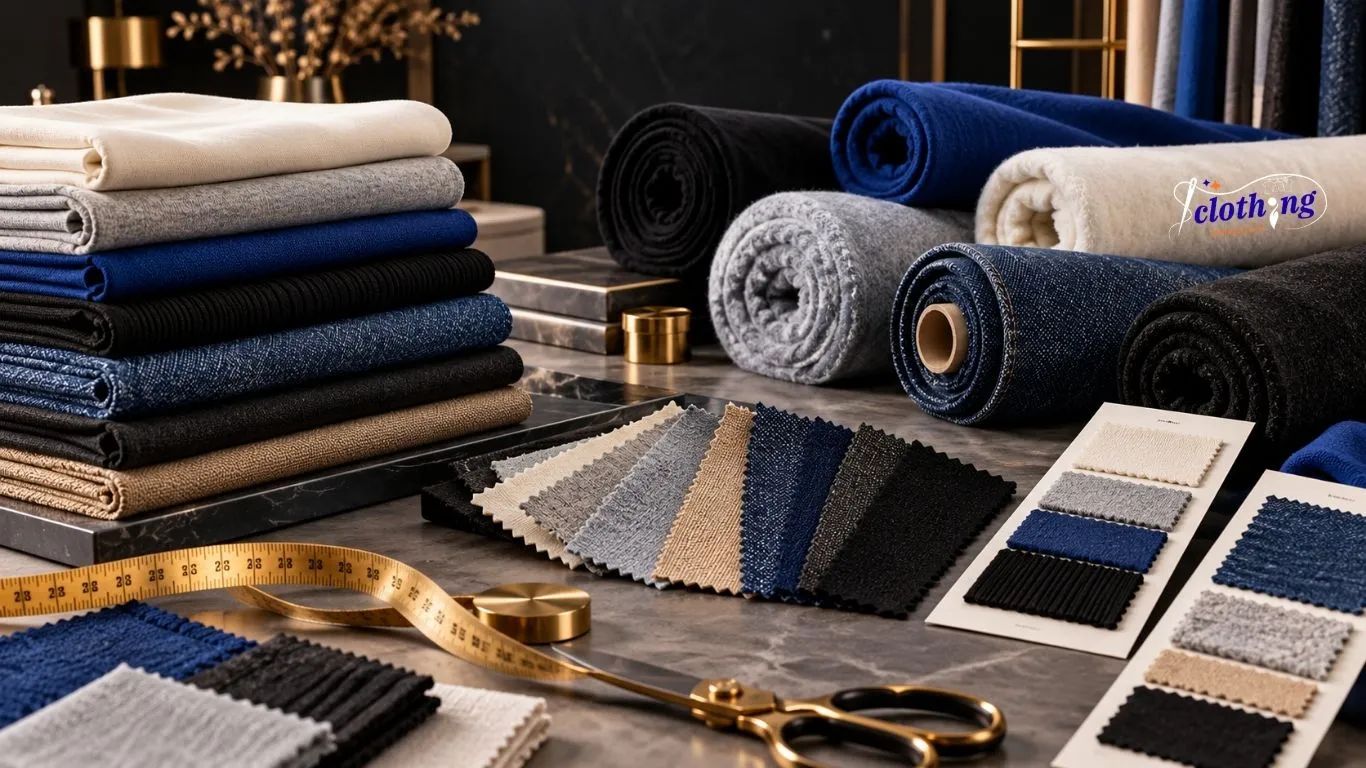
Use the Directory by Material, Structure or Decision.
A fabric can be described by its fibre, its knit or weave, its weight, its finish, or the garment it becomes. These routes keep the directory useful without forcing unrelated topics into one long article.
Cotton & Natural Fibres
Start with cotton, Pima cotton and Merino wool, then compare how fibre choice changes softness, warmth, printability and durability.
02Performance & Synthetics
Explore polyester and performance-focused materials used for sportswear, sublimation, moisture management and durable uniforms.
03Regenerated Cellulosics
Viscose, rayon and modal: related fibre families with different labels, processing routes, drape and garment behaviour.
04Knit & Woven Structures
Jersey, interlock, rib, piqué, French terry, fleece, denim and more—see how construction changes body, stretch and surface.
05Specs & Planning Tools
Use GSM, swatch planning, shirt-fabric selection and sourcing tools to turn a fabric idea into a factory-ready specification.
Clothing Fabric & Material Directory
Each card opens an existing guide. The summaries below are intentionally short so this page stays a directory rather than competing with the detailed articles it links to.
 Core fabric guide
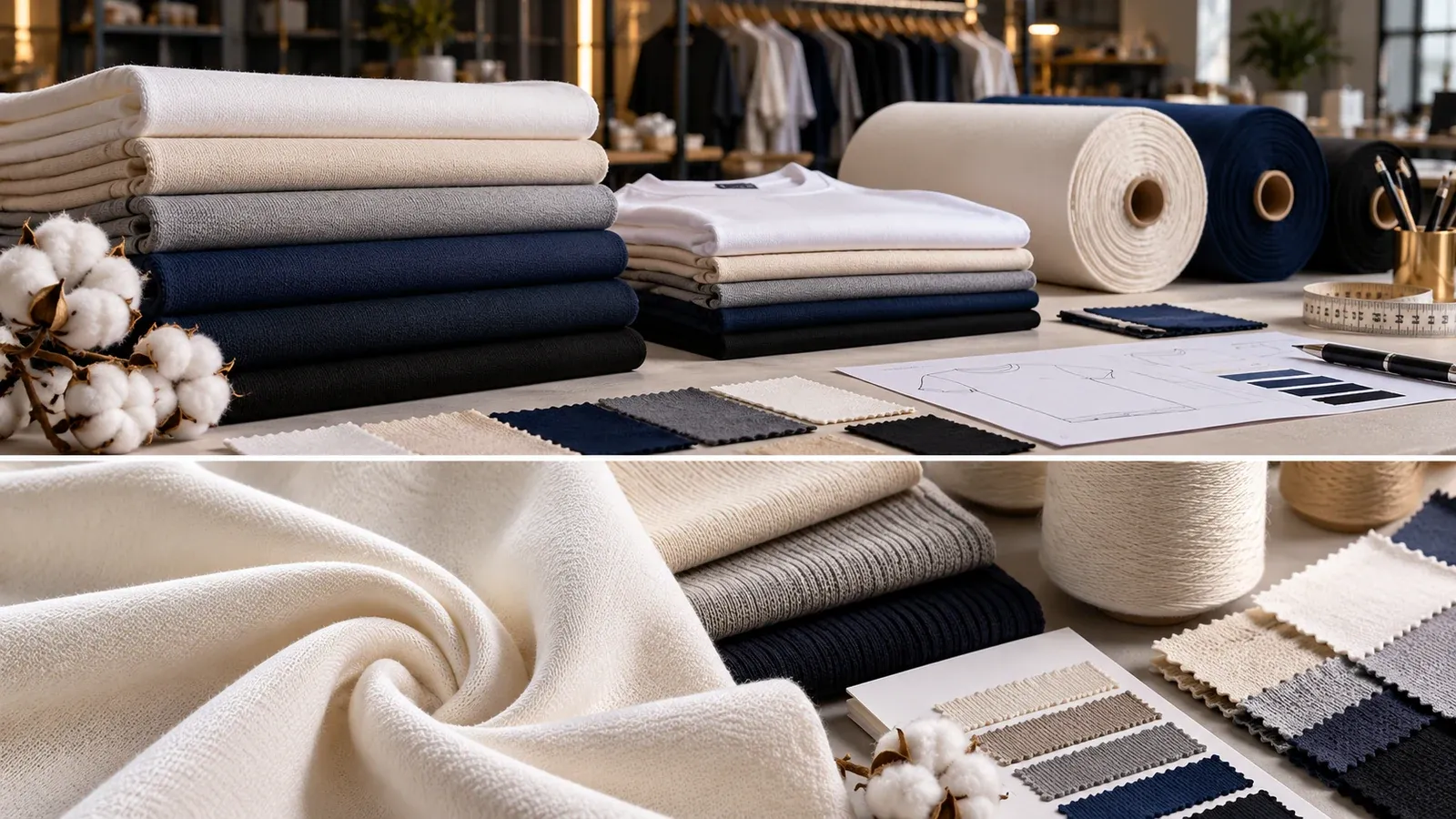
Cotton Fabric
Compare cotton fibre quality, ring-spun and combed yarns, knit and woven constructions, practical GSM ranges, shrinkage control and the specifications used for T-shirts, hoodies and private-label basics.
Read more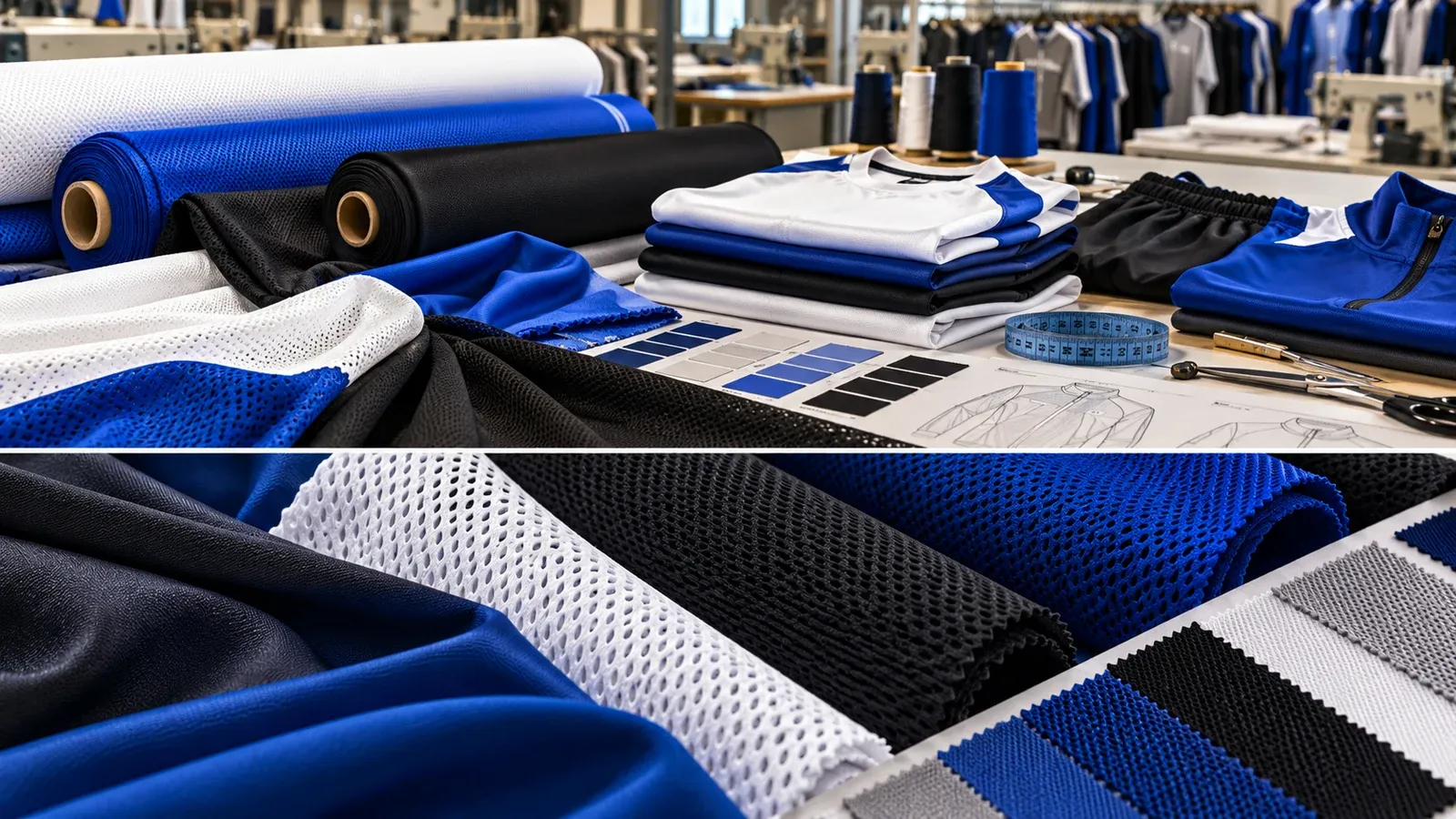 Core fabric guide
Polyester Fabric
Learn how polyester yarn, jersey, interlock and mesh constructions affect sportswear performance, sublimation, moisture management, durability, GSM and production specifications.
Read more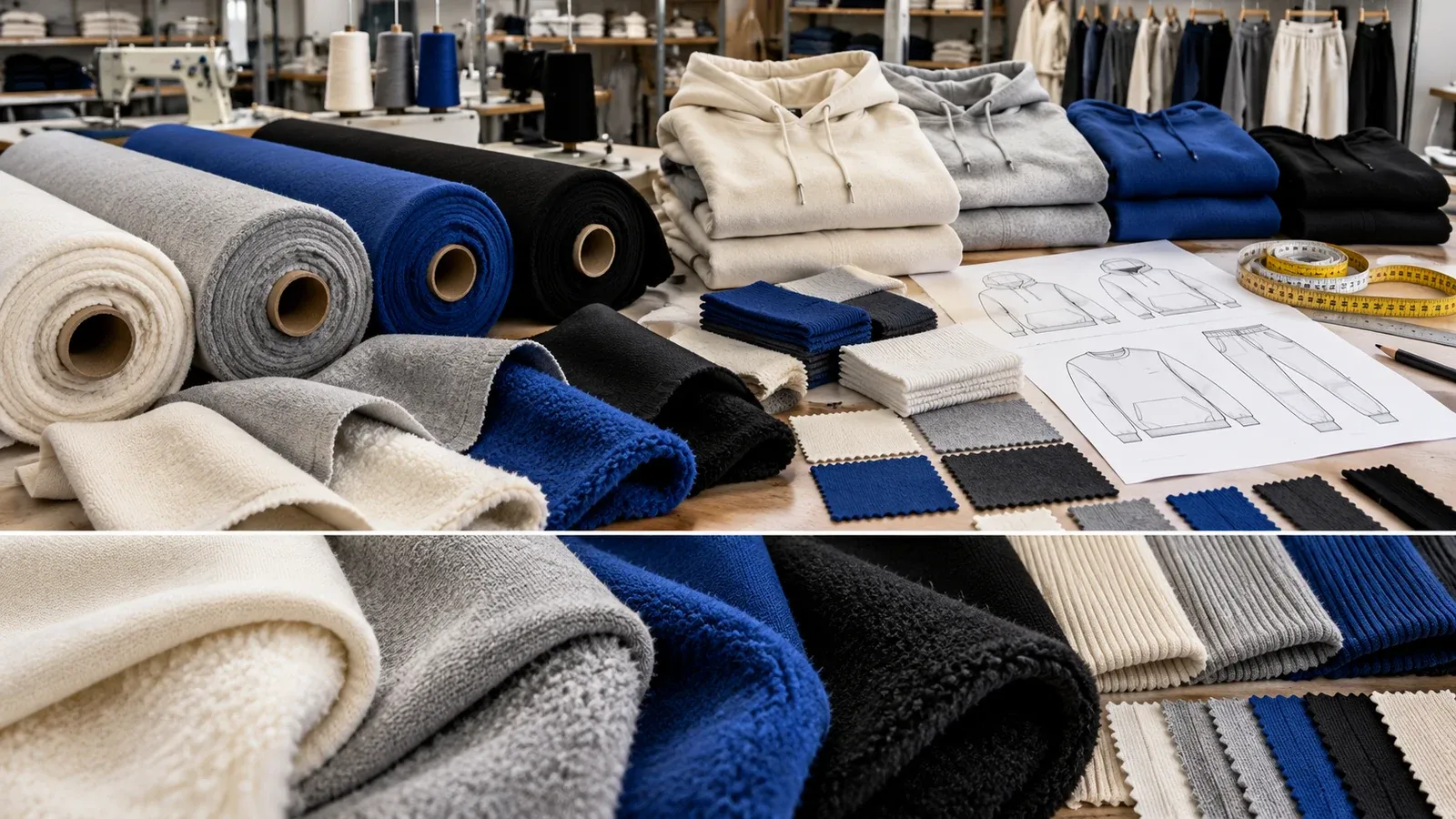 Core fabric guide
Fleece Fabric
Understand brushed fleece faces, cotton-rich blends, heavyweight GSM, warmth, rib matching, shrinkage and the manufacturing choices behind premium hoodies, sweatshirts and joggers.
Read more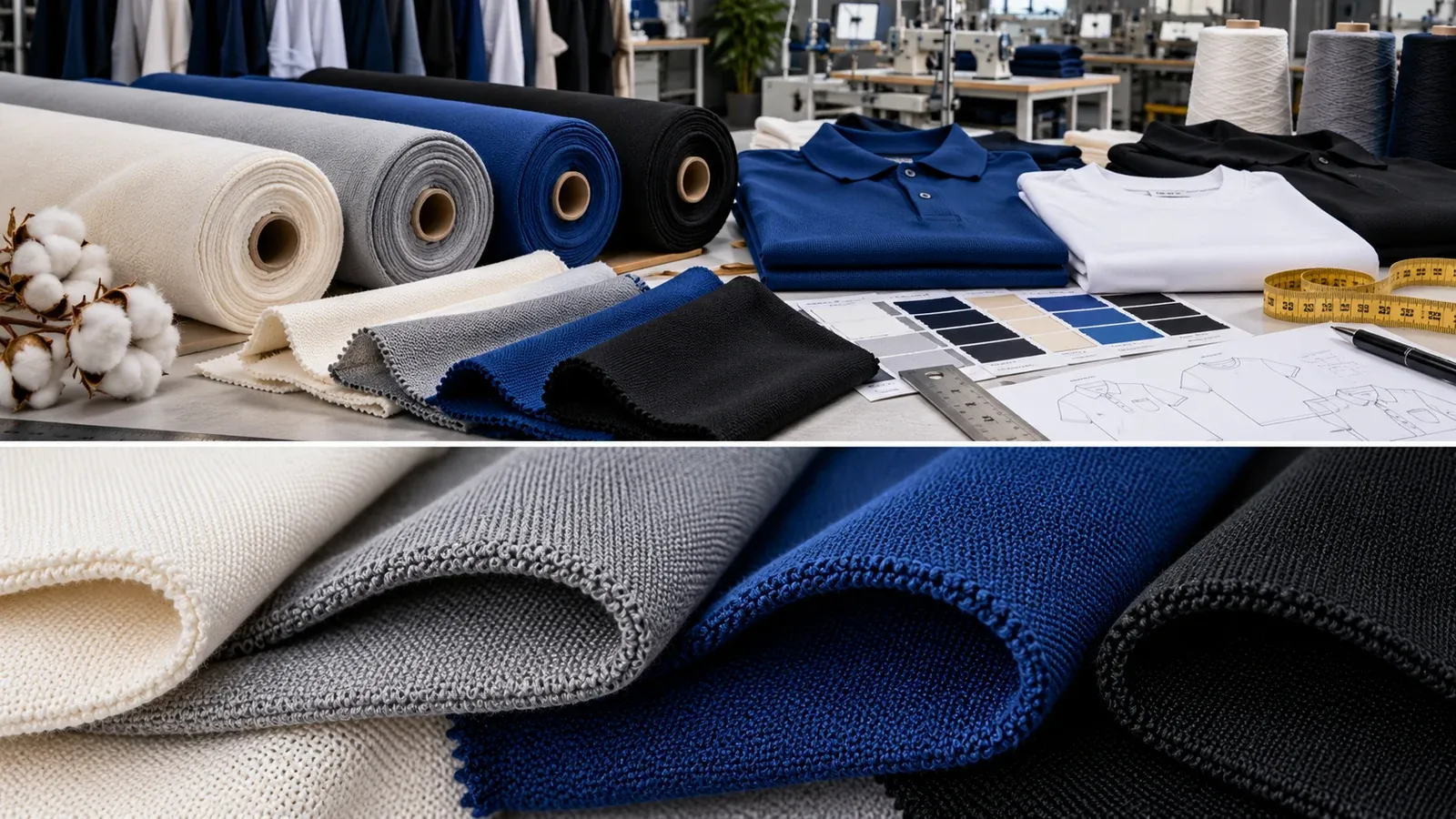 Core fabric guide
Interlock Fabric
Explore the smooth two-sided double-knit used when brands need more body, opacity and edge stability than single jersey, including cotton and polyester options, GSM and garment applications.
Read more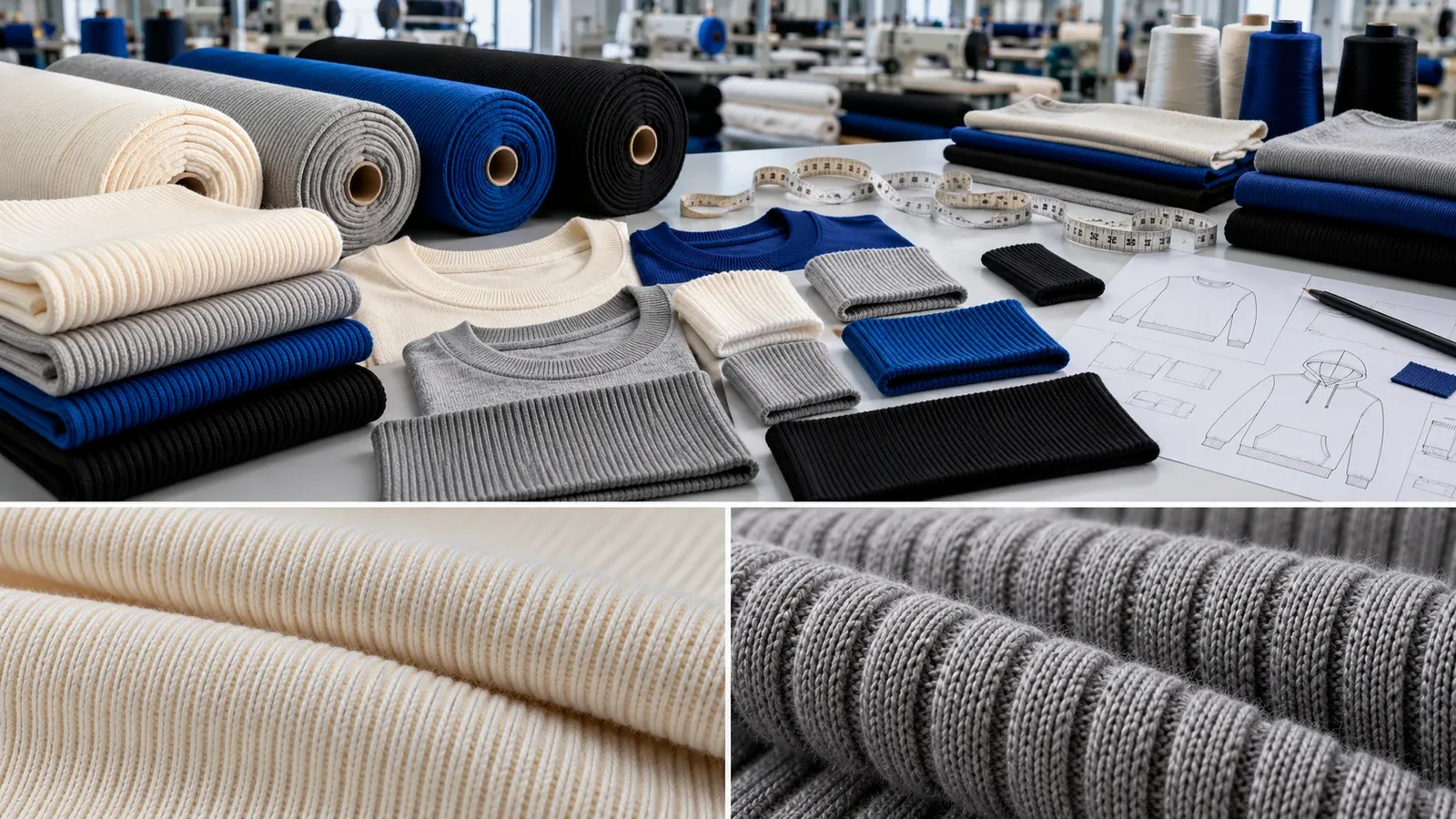 Core fabric guide
Rib Knit Fabric
Compare 1×1 and 2×2 rib, stretch and recovery, cotton and elastane blends, and how rib is specified for neckbands, polo collars, cuffs, waistbands and fitted garments.
Read more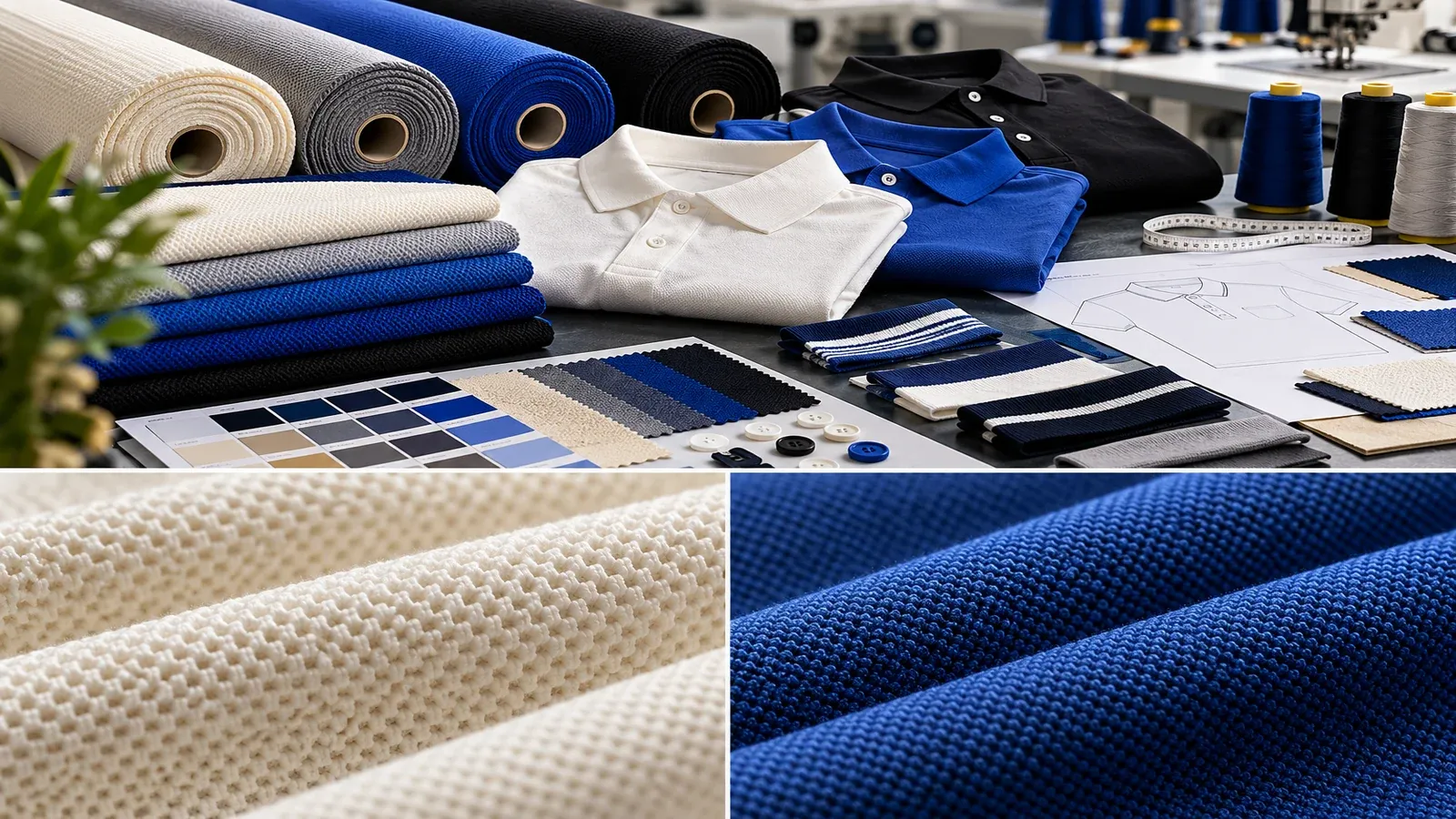 Core fabric guide
Piqué Fabric
Learn how cotton and polyester piqué constructions create the textured surface used in polo shirts, including GSM, collars and cuffs, embroidery behaviour and factory specifications.
Read more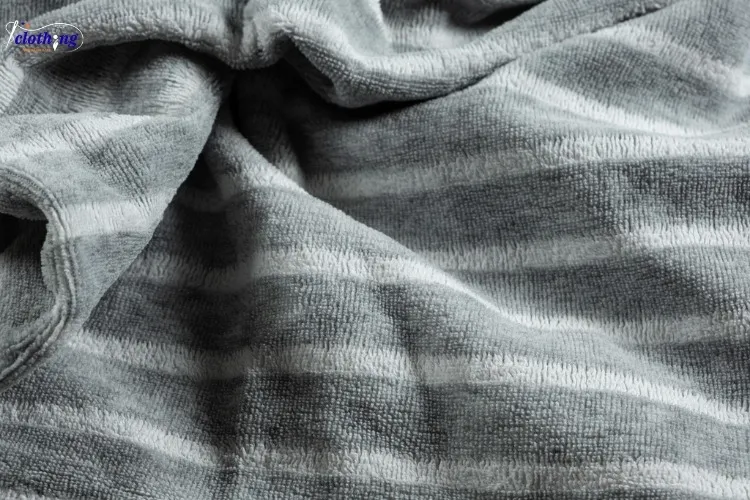 Knit structure
French Terry Fabric
Understand the smooth-face, loopback construction used in hoodies, sweatshirts and joggers, including practical GSM ranges and sourcing considerations.
Read more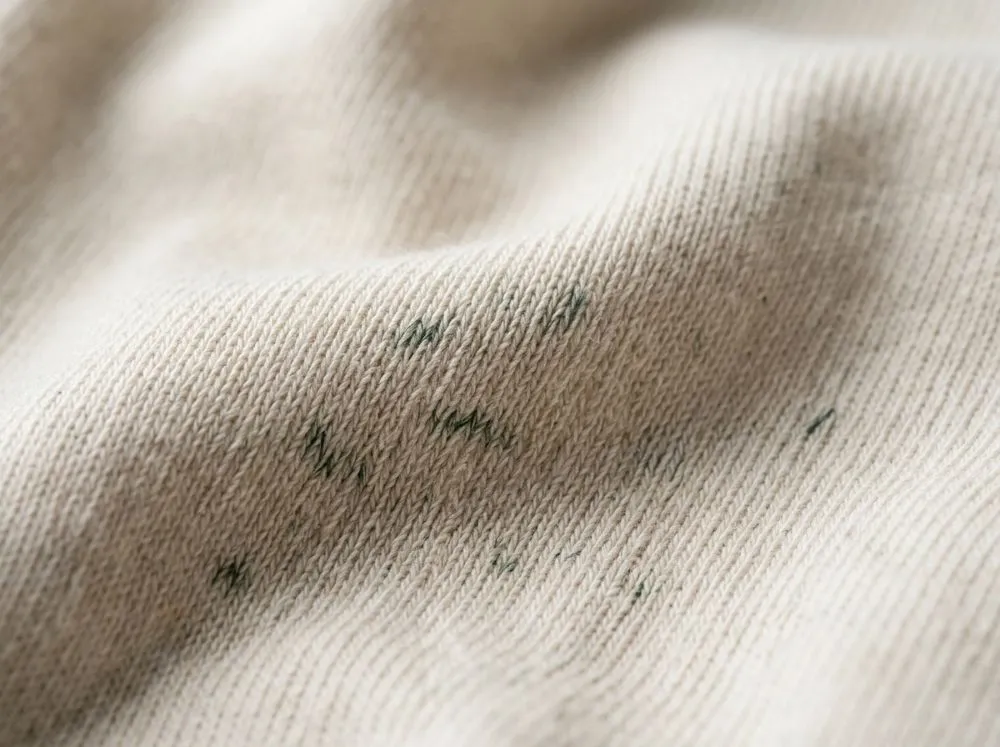 Knit structure
Jersey Fabric
Learn what jersey knit is, how single jersey behaves, the fibres it can be made from, typical apparel weights and where it performs best.
Read more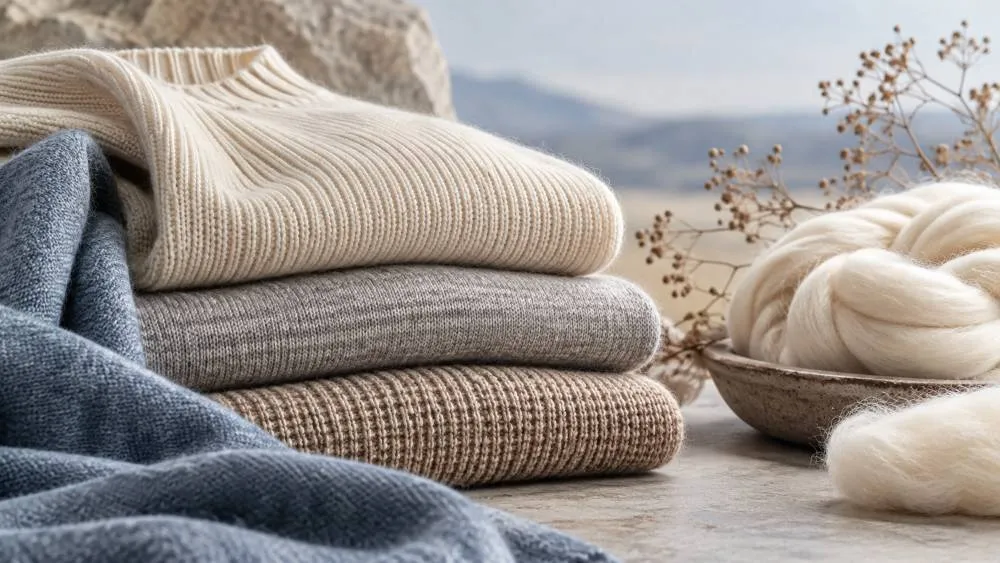 Natural fibre
Merino Wool
Explore Merino fibre fineness, micron ranges, fabric weights, blends, comfort properties and how construction affects apparel performance.
Read more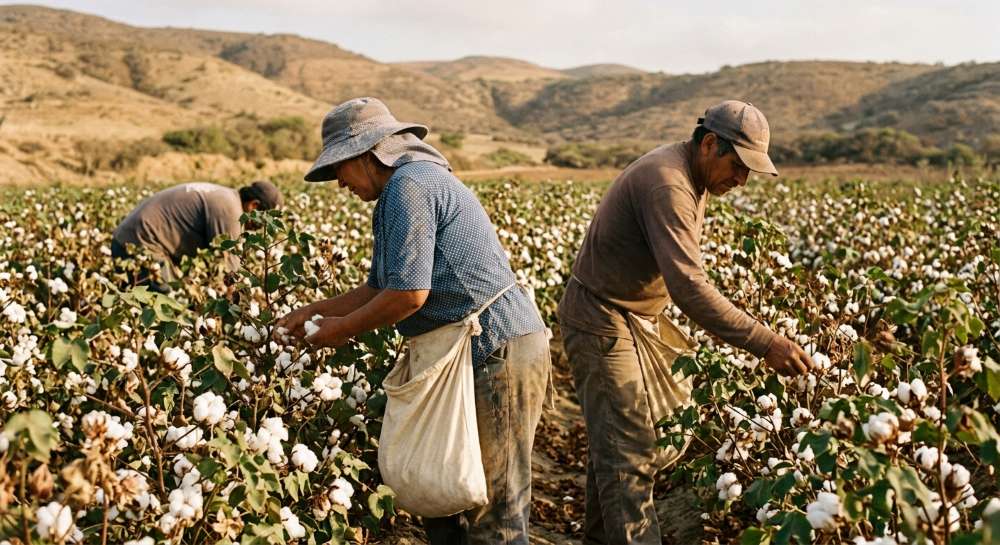 Natural fibre
Pima Cotton
See why extra-long-staple cotton is used for premium knitwear, how Pima compares with Egyptian cotton, and what brands should check when sourcing.
Read more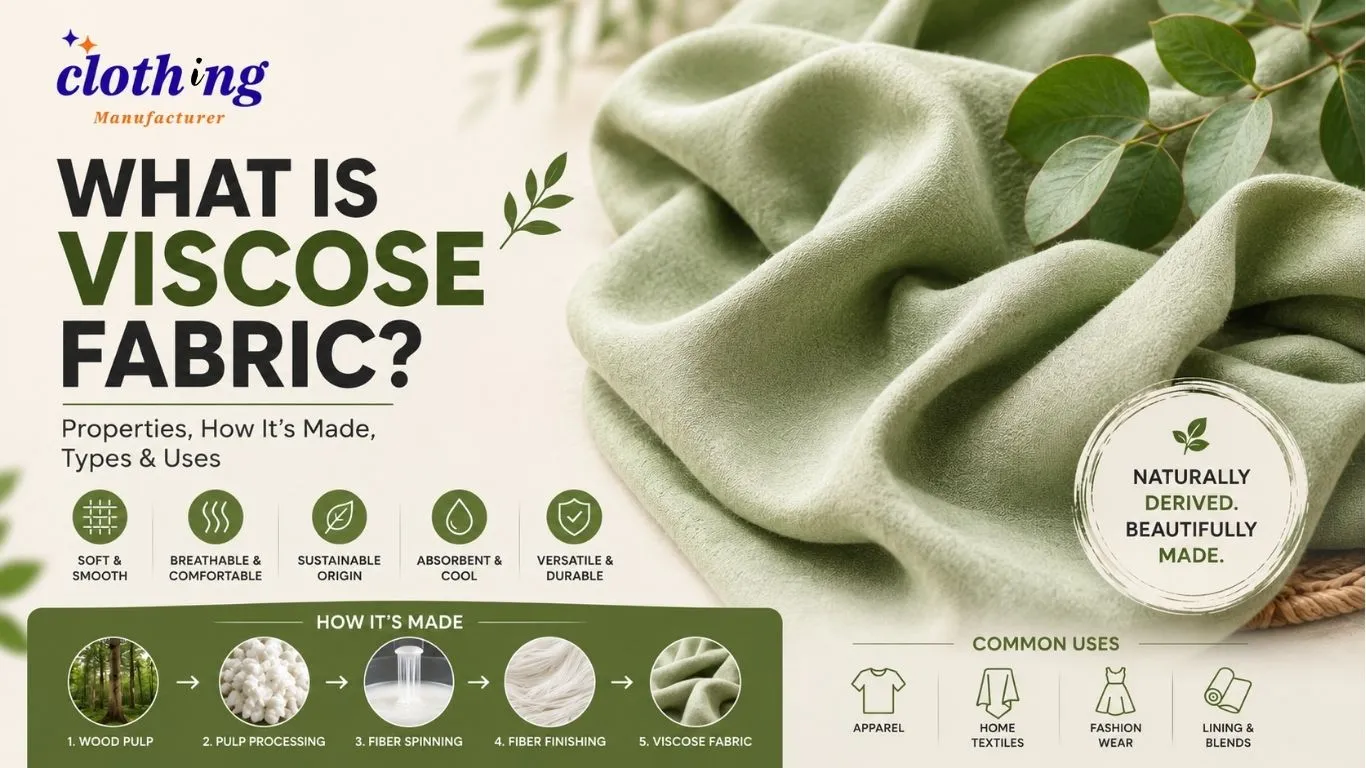 Cellulosic fibre
Viscose Fabric
A practical introduction to regenerated cellulose, viscose properties, production, common uses and the sourcing decisions that matter for apparel.
Read more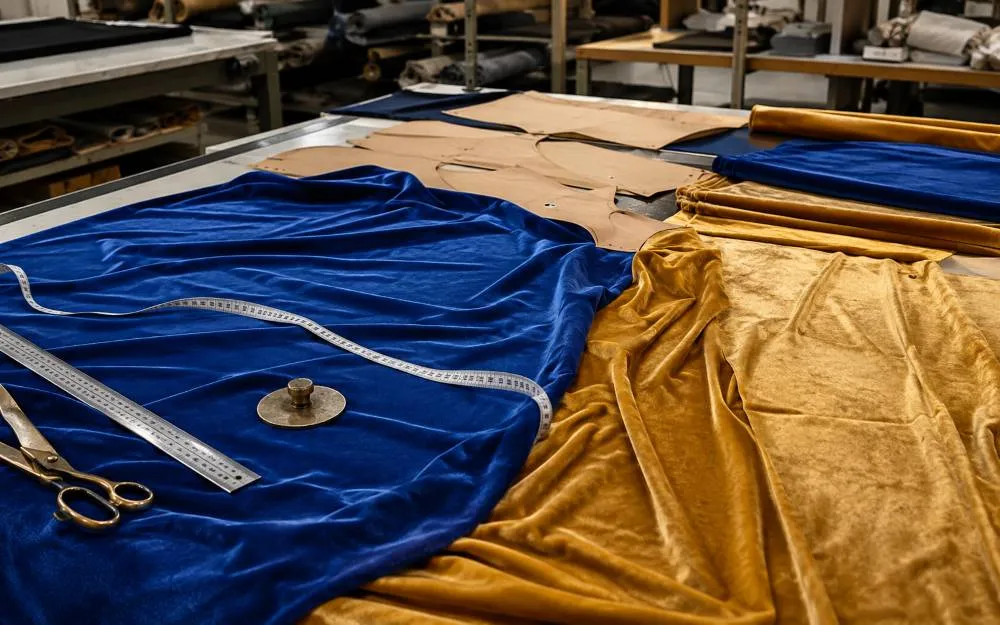 Cellulosic family
Rayon Fabric
Understand US rayon labelling, rayon–viscose terminology, common blend ratios, shrinkage risks and applications in loungewear and fashion apparel.
Read more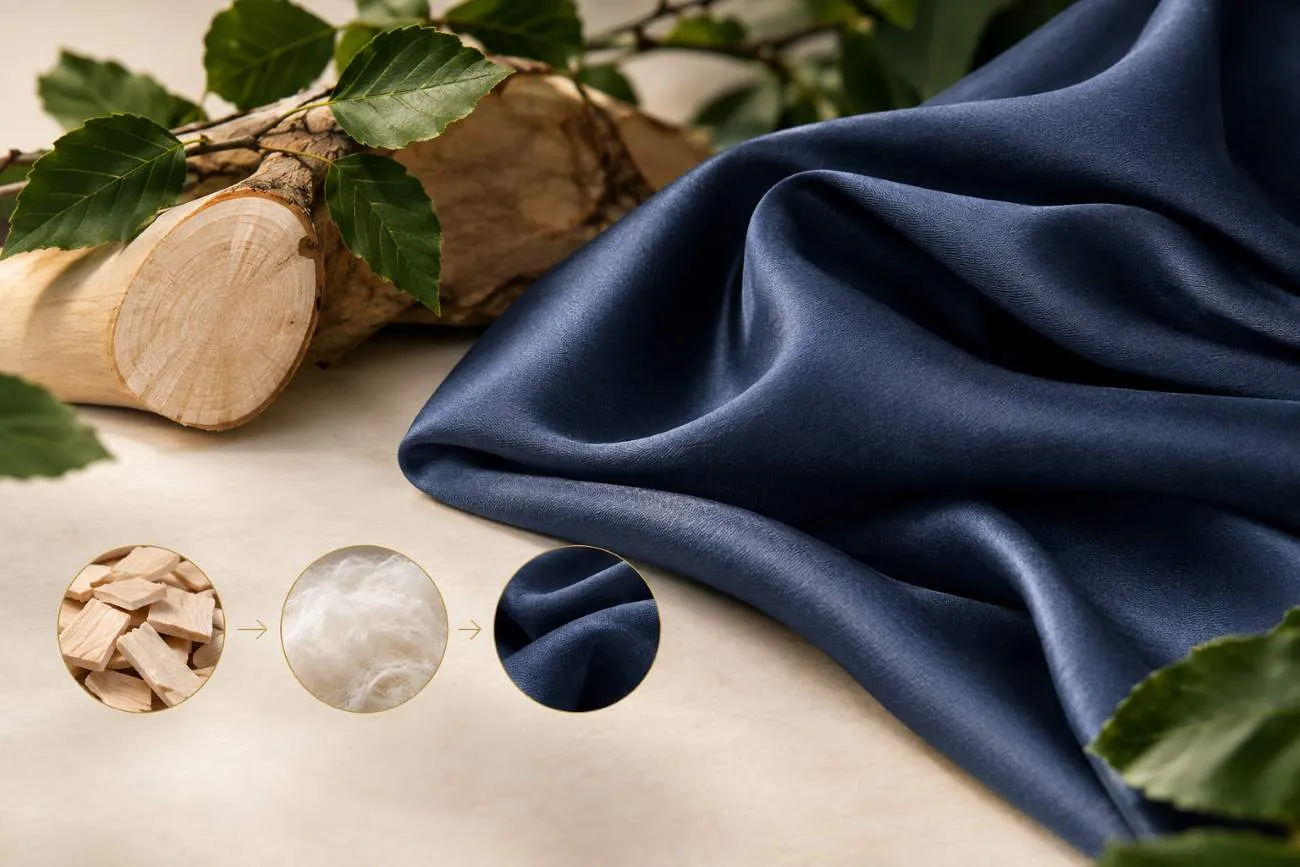 Cellulosic fibre
Modal Fabric
Learn how modal is produced, why it feels soft and fluid, how it compares with cotton and viscose, and where modal blends make sense.
Read more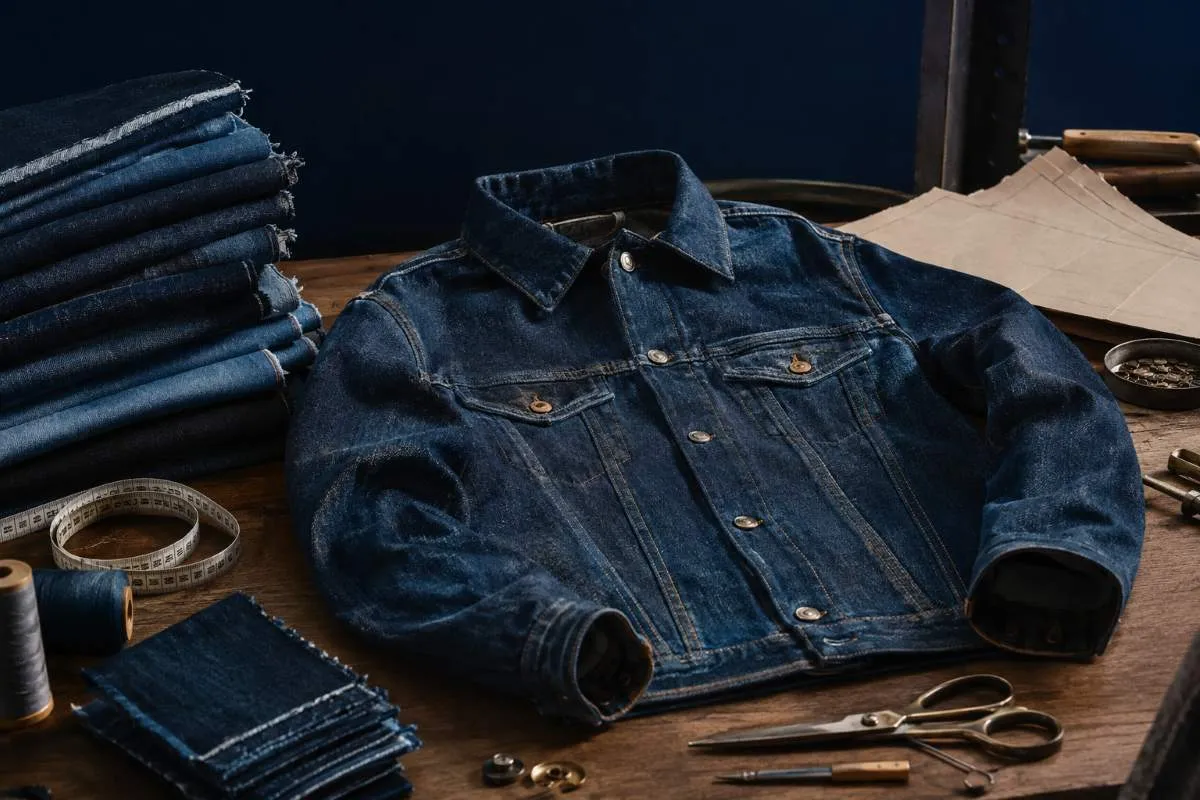 Woven structure
Denim Fabric
Explore warp-faced twill, indigo dyeing, fabric weight, denim types and how the material is selected for jackets, jeans and structured apparel.
Read more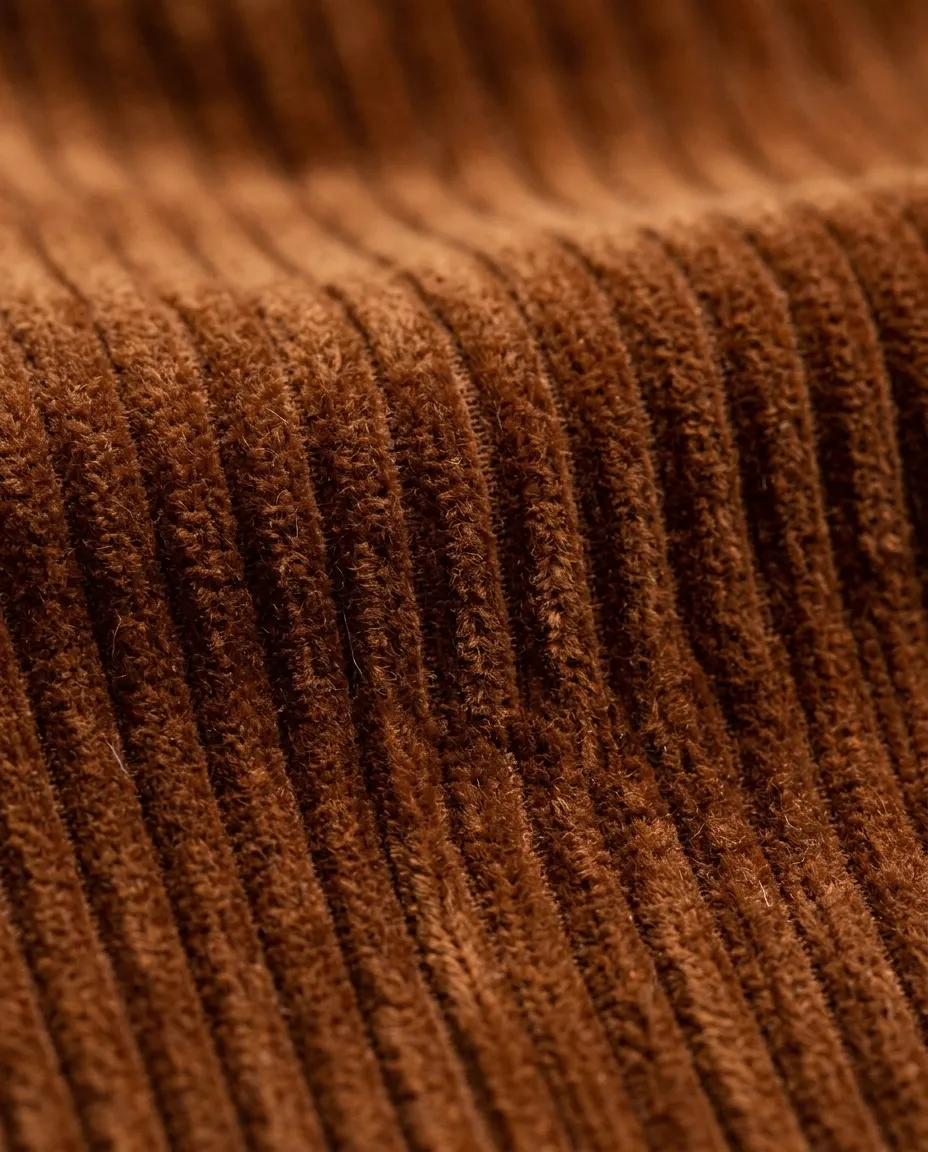 Woven pile
Corduroy
See how wale count changes corduroy texture, how the pile is constructed, and which weights and finishes suit shirts, trousers and outerwear.
Read more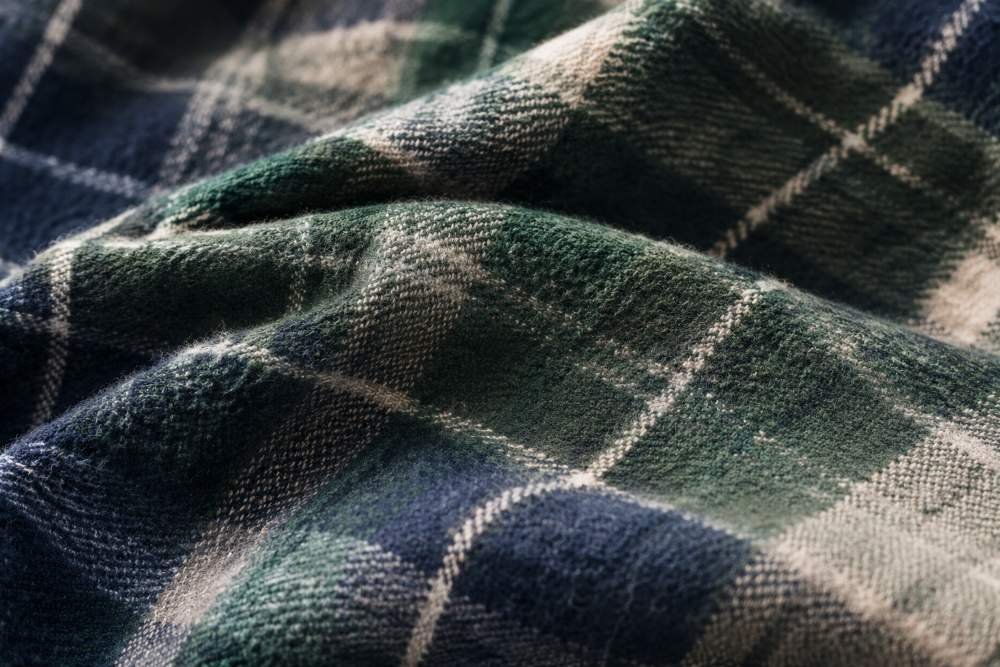 Brushed woven
Flannel Fabric
Understand brushed nap, cotton and wool options, flannel versus plaid, common shirting weights and what to specify before manufacturing.
Read more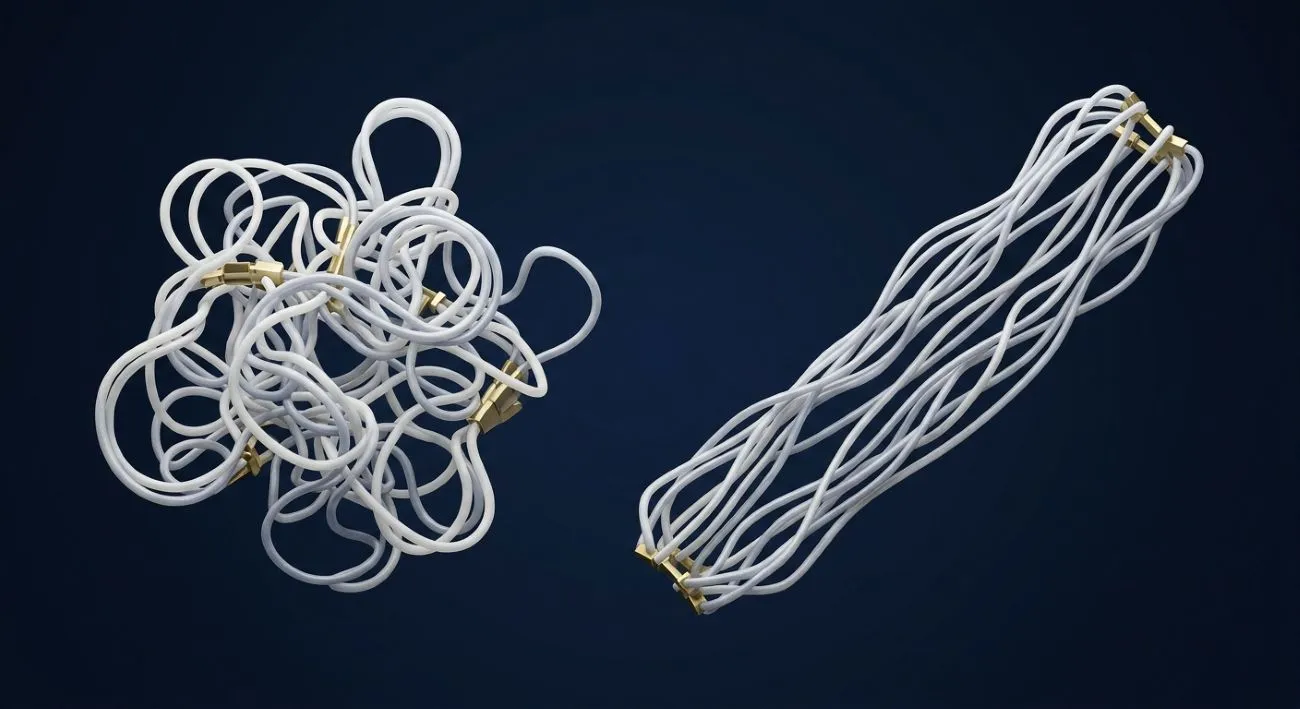 Stretch fibre
Spandex / Elastane
Learn how elastane changes stretch and recovery, how much is commonly used in blends, and why a small percentage can transform garment fit.
Read more Specification
What Is GSM in Fabric?
Understand grams per square metre, why equal GSM does not mean equal quality, and how weight should be specified with fibre, construction and finish.
Read more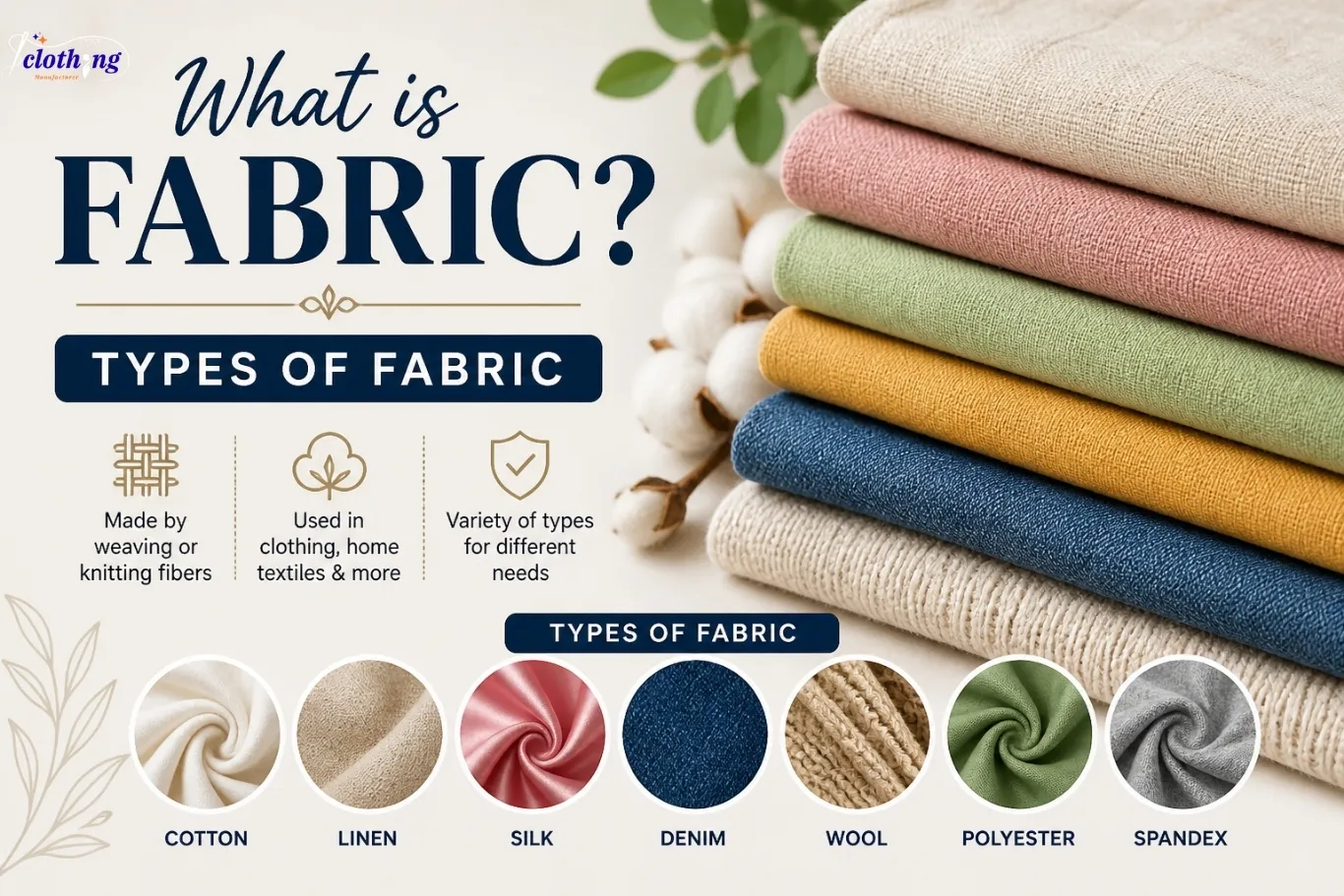 Foundation guide
What Is Fabric?
Start here if you need the fundamentals: fibres, knits versus wovens, common clothing materials, texture, GSM and basic garment-selection principles.
Read moreFabric Tools, Selection & Application Guides
Use these resources when you are moving from “what is this fabric?” to a real product decision, sample brief or decoration plan.
GSM Calculator & Fabric Weight Converter
Convert GSM and oz/yd², calculate GSM from a swatch, estimate roll weight and use measurable fabric weight in your development brief.
Open the GSM calculatorOur Fabric Standards & Sourcing
Build a material brief around fibre, construction, GSM, finish and end use.
How to Choose Fabric for Shirts
Match knit or woven construction, GSM and fibre to T-shirts, polos and shirts.
French Terry Hoodie Guide
Take French terry from fabric theory into hoodie GSM, blends and production.
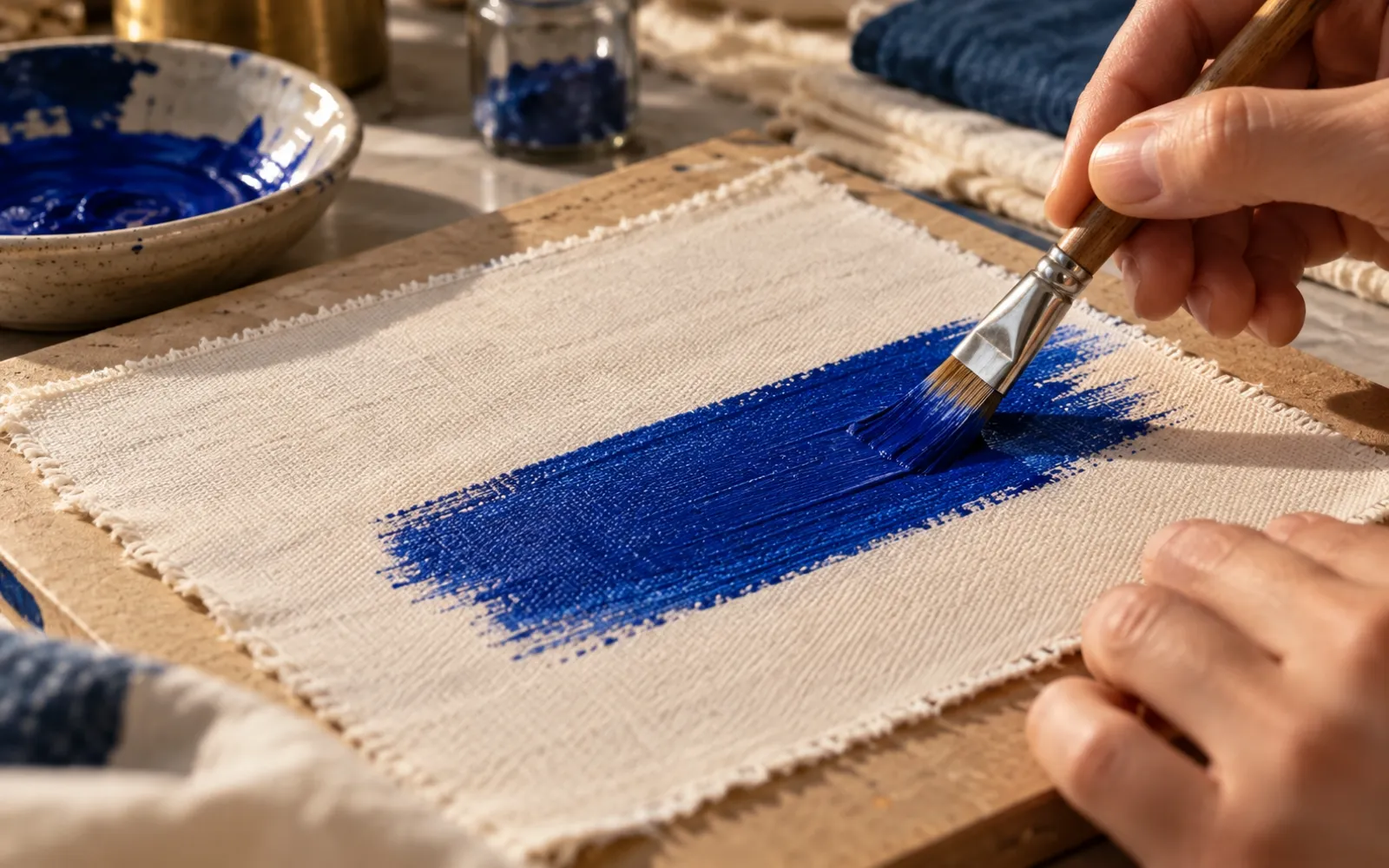
Acrylic Paint on Fabric
Understand adhesion, flexibility, curing and which textiles are easiest to paint.
How to Specify Fabric Before You Order.
“Premium cotton,” “heavy fleece” or “soft jersey” are useful descriptions, but they are not enough to reproduce a garment. A stronger specification combines measurable details with an approved physical reference.
Choose Fibre
Define cotton, polyester, wool, nylon, viscose, modal or a precise blend ratio.
Choose Structure
State the knit or weave: jersey, interlock, piqué, rib, terry, fleece, twill or another construction.
Set GSM
Use fabric weight as a controlled target—not as a stand-alone quality score.
Define Finish
Brushing, compacting, washing, peaching, coating, moisture-management or other finishing changes performance.
Approve a Sample
Lock hand-feel, drape, colour, shrinkage and decoration on a real swatch or garment before bulk.
Start With the Garment, Then Choose the Fabric.
Fabric selection becomes clearer when the silhouette, climate, decoration method, price position and performance target are defined first.
Turn What You Learned Into an Approved Swatch.
Send the garment type, target feel, preferred fibre, GSM, quantity and reference images. We can shortlist a suitable construction and confirm the actual material through sampling before bulk production.
Fabric Directory FAQs
These answers explain how to use the hub and how the individual guides fit into a real clothing-development workflow.
What is a fabric directory?
A fabric directory is an organized library of textile and fibre resources. This hub groups ClothingManufacturer.US guides by material, construction, stretch and specification so clothing brands can move from a broad fabric question to the detailed page that answers it.
What is the difference between fibre and fabric?
A fibre is the raw textile material, such as cotton, wool, polyester, viscose or elastane. Fabric is the structure produced from yarns or fibres by knitting, weaving or other methods. Jersey and French terry, for example, describe constructions that can be made from different fibre blends.
Which fabric is best for a clothing brand?
There is no single best fabric. The right choice depends on the garment, fit, climate, target price, desired hand-feel, printing or embroidery method and wash-performance requirements. Start with the end product, then select fibre, construction, GSM and finish.
What does GSM mean in fabric?
GSM means grams per square metre and describes fabric mass. It is useful for controlling weight, but two fabrics at the same GSM can still differ in thickness, softness, warmth, stretch and drape because construction, fibre and finishing also matter.
What fabric is commonly used for hoodies?
Common hoodie fabrics include brushed fleece and French terry in cotton-rich or blended constructions. French terry has an uncut loop interior and is usually more breathable, while brushed fleece is loftier and warmer. The right GSM depends on the silhouette, season and price position.
What fabric is commonly used for T-shirts?
Single jersey is the most common T-shirt construction. It can be knitted from cotton, polyester, viscose, modal or blends. Cotton-rich jersey is popular for everyday and print-focused tees, while polyester and stretch blends are often chosen for performance or fitted applications.
Should I choose fabric by name or by specification?
Use the fabric name as a starting point, then define the specification. A production-ready brief should include fibre percentages, construction, finished GSM, colour, finish, width and any performance targets, followed by approval of a physical swatch or garment sample.
Can ClothingManufacturer.US help source the fabric after I choose it?
Yes. The directory is educational, while the Our Fabric page covers commercial fabric sourcing and development. Fabric availability, custom-dye minimums and documentation can vary by mill and construction, so the final material is confirmed for the specific garment during sampling.