
French Terry Hoodie: GSM, Fabric & Custom Manufacturing Explained
A french terry hoodie is lighter than a standard fleece hoodie because its construction leaves the interior loops uncut — giving you soft comfort without the bulk. Here's everything you need to know before sourcing or ordering one.
Get a Custom Quote →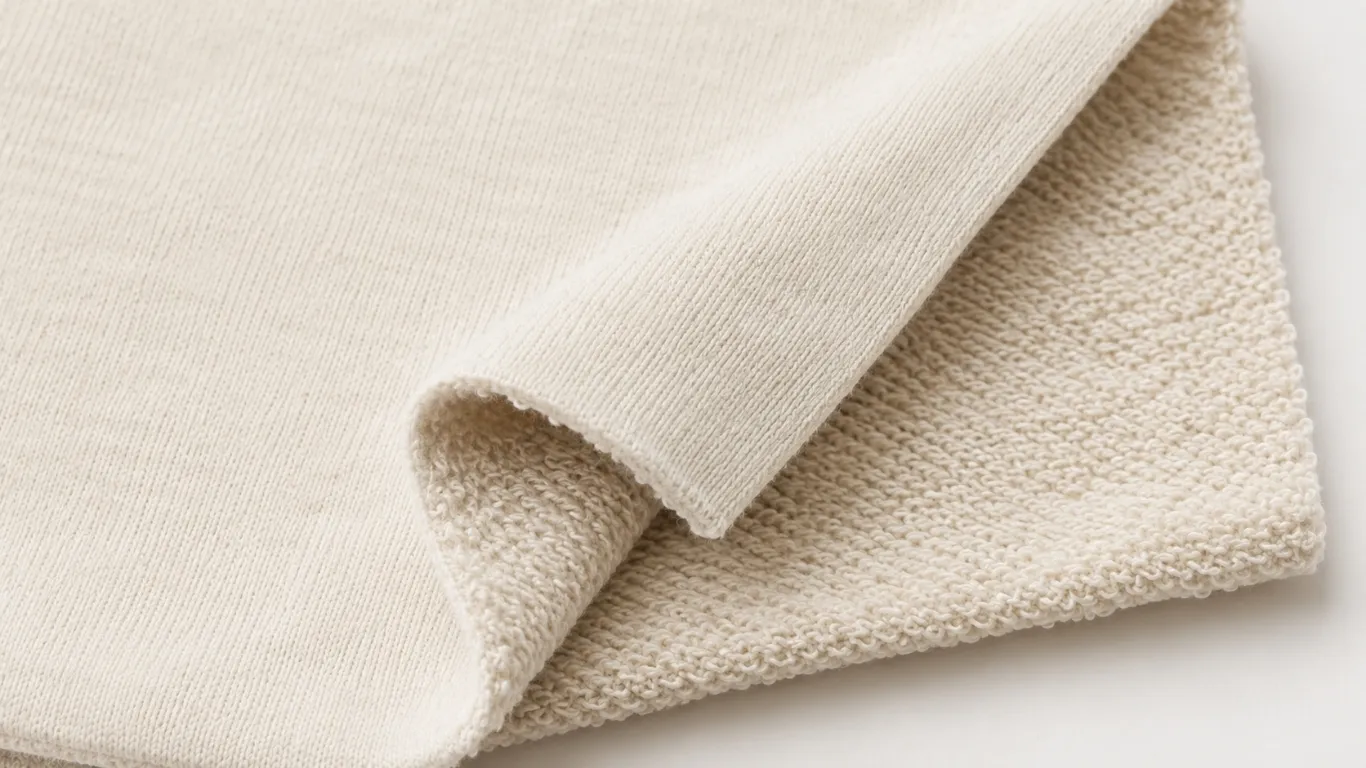
What Is a French Terry Hoodie?
A french terry hoodie uses a knit fabric with a smooth face and a looped interior — the loops are left uncut, unlike fleece where they are brushed into a nap. The result is a fabric that's lighter, less bulky, and quicker to dry than standard fleece, while still offering meaningful warmth. It's the fabric most commonly used in premium streetwear hoodies, zip-up french terry hoodies, and oversized french terry hoodies aimed at year-round wear rather than winter-only performance.
GSM (grams per square metre) is the main spec that controls how heavy, warm, and structured the finished french terry hoodie feels. Most orders fall between 280 GSM and 500 GSM. The table below maps each GSM band to its end-use so you can pick the right weight before sourcing fabric or placing an order.
On This Page
French Terry Hoodie GSM Guide — Which Weight Is Right?
GSM determines the bulk, drape, warmth, and price point of your french terry hoodie. Heavier GSM means more yarn per square metre, which raises fabric cost and manufacturing difficulty — but also produces a hoodie that holds its shape, photographs better, and reads as premium to a customer holding it for the first time.
| GSM Range | Feel & Weight | Best For | Typical Retail Position | Our Capability |
|---|---|---|---|---|
| 280–320 GSM | Lightweight, drapey | Layering piece, warm-climate markets, summer hoodies | $35–60 retail | ✓ In-stock fabric available |
| 340–380 GSM Most Popular | Mid-weight, structured | Year-round wear, streetwear, branded basics | $55–95 retail | ✓ In-stock fabric available |
| 400–420 GSM | Heavyweight, premium drape | Cold-weather markets, premium streetwear brands | $90–140 retail | ✓ Available on order |
| 450–500 GSM Heavyweight | Dense, structured, very warm | Heavyweight french terry hoodie lines, luxury basics | $120–200 retail | ✓ Available on order |
| 500–600 GSM | Extra-heavy, thick loops | Extreme cold, heritage/workwear aesthetic | $160–250+ retail | ✓ Custom knit on request |
If you're specifically after the 450 GSM+ end of that table, our heavyweight hoodie manufacturer page goes deeper on sourcing, pricing and MOQs for that weight class alone.
French Terry Hoodie Fabric Options: Cotton, Blends & What Changes
The fibre composition of a french terry hoodie affects softness, shrinkage, durability, moisture behaviour, and print quality. The GSM you choose sets the weight; the fibre blend determines how that weight feels and performs. These are the four most common options for custom orders:
100% Cotton French Terry
The softest option against skin and the most breathable. A 100% cotton french terry hoodie has a natural hand feel that synthetic blends can't replicate, and it takes dye evenly for rich, consistent colour. The trade-off is higher shrinkage (3–5% after the first wash) and slightly longer drying time. Preferred by brands with a focus on natural materials or sustainability claims.
Cotton/Polyester Blend (80/20 or 70/30)
The most common construction for french terry hoodies in volume production. Adding 20–30% polyester reduces shrinkage to under 2%, improves shape retention after washing, and lowers fabric cost. The trade-off is a slightly less natural hand feel and reduced breathability vs. 100% cotton. Works well for most branded basics and streetwear applications.
Cotton/Modal or Cotton/Bamboo
Luxury-tier options that add a silkier drape and improved moisture-wicking to the softness of cotton. Modal french terry is significantly more expensive per metre than standard cotton french terry but produces a finished hoodie with a noticeably elevated hand feel. Used by premium basics brands positioned above $100 retail and by brands making sustainability-forward material claims.
French Terry with Elastane (5–8%)
Adding a small percentage of elastane (spandex/Lycra) gives french terry a 4-way stretch that makes it appropriate for fitted or athletic cuts — including slim zip-up french terry hoodies and women's cropped french terry hoodies. The stretch also improves comfort in relaxed/oversized cuts where the fabric might otherwise pull at seams. Standard in any performance or activewear application.
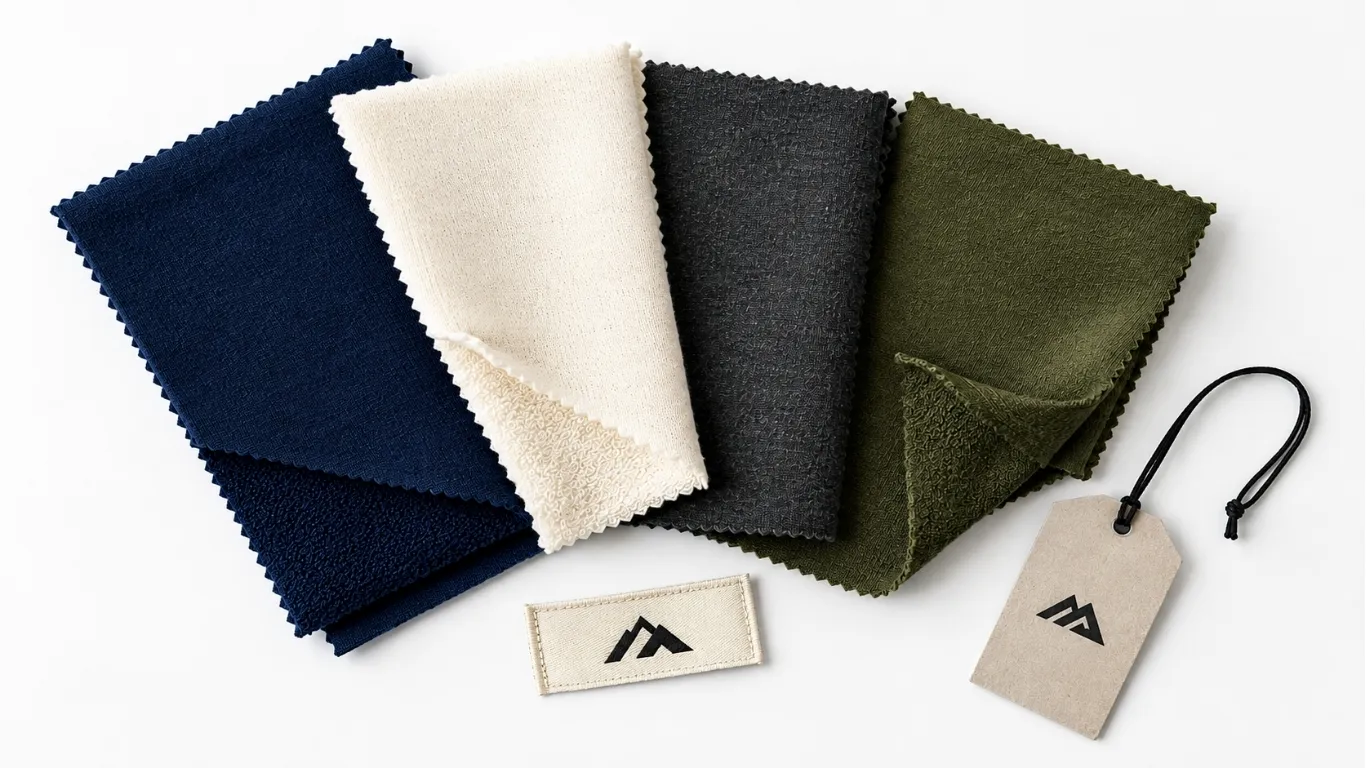
French Terry Hoodie vs Fleece Hoodie — Which Should You Order?
French terry and fleece look similar on the outside but have meaningfully different constructions, performance characteristics, and customer perceptions. If you're deciding which to put into production, the comparison below maps the differences across the factors that matter for a brand sourcing custom hoodies.
French Terry Hoodie
Fleece Hoodie
At the same GSM, a french terry hoodie will feel lighter and be more breathable than a fleece hoodie — that's the loop vs. nap construction difference. At the same warmth level, a french terry hoodie needs a higher GSM than fleece to match warmth output. The implication: if your customer is in a climate where they want genuine winter warmth, fleece or a heavyweight french terry (400 GSM+) makes more sense than a 300 GSM french terry. If they want a versatile, year-round piece that doesn't feel too hot or too casual, a mid-weight french terry cotton hoodie at 340–380 GSM is the cleaner call.
For brands sourcing custom hoodies, see our broader hoodies manufacturer page for the full range of styles, or our guide on custom clothing manufacturing process if you're working from a tech pack.
Custom French Terry Hoodie Manufacturing: From Spec to Shipped
These are the steps we run through for every custom french terry hoodie order, from the spec you send us to the box that lands at your door. MOQ is 10 pieces per style.
Tech Pack or Spec Sheet Review
You send your design file, reference sample, or sketch. If you don't have a tech pack, we build a basic one from your reference. We confirm GSM, fabric composition, colourway, trims (drawcord, ribbing, pocket type), and any print or embroidery placement at this stage — not after the first sample arrives.
Fabric Sourcing & 4-Point Check
We source or pull from in-stock the french terry fabric at the GSM you've specified and run a 4-point fabric inspection before any cutting begins. This catches defects at the yarn level — visible as pilling risk, uneven loop density, or colour inconsistency — before they become garment-level problems. Common issue we catch here: bowing or skewing in the roll, which distorts the finished garment's hang if not corrected before cutting.
Pre-Production Sample (7–10 Business Days)
One sample is produced to your spec. Sample fee is credited back against the bulk order. The sample timeline for a french terry hoodie is 7–10 business days from confirmed tech pack — not from when you first make contact. We send photos and measurements against a measurement chart before shipping the physical sample; most approval feedback happens at this stage without waiting for the physical to arrive.
Bulk Production (14–21 Business Days)
After you approve the sample and send the 50% deposit, bulk cutting and production begins. Production time for a standard french terry hoodie in a single colourway at 50–200 units is typically 14–18 business days; larger orders or additional colourways add time proportionally. We keep you updated with in-progress photos at cut, sewn, and pre-finishing stages.
AQL 2.5 Finished Garment Inspection
Before packaging, we run a finished-garment inspection to the AQL 2.5 standard — a defined sampling rate where a batch fails inspection if more than 2.5% of inspected units carry a major defect. You receive the inspection report and pre-shipment photos. The remaining 50% payment is due against these photos, not before.
Private Labelling & DDP Shipping
Your woven neck labels, care labels, hang tags, size stickers, and branded poly bags are included as standard — not a separate vendor or an add-on fee. We ship DDP (Delivered Duty Paid) to the US, UK, and EU. Typical transit times: 6–9 days to the US, 5–8 days to the UK. You receive a tracking number and customs documents.
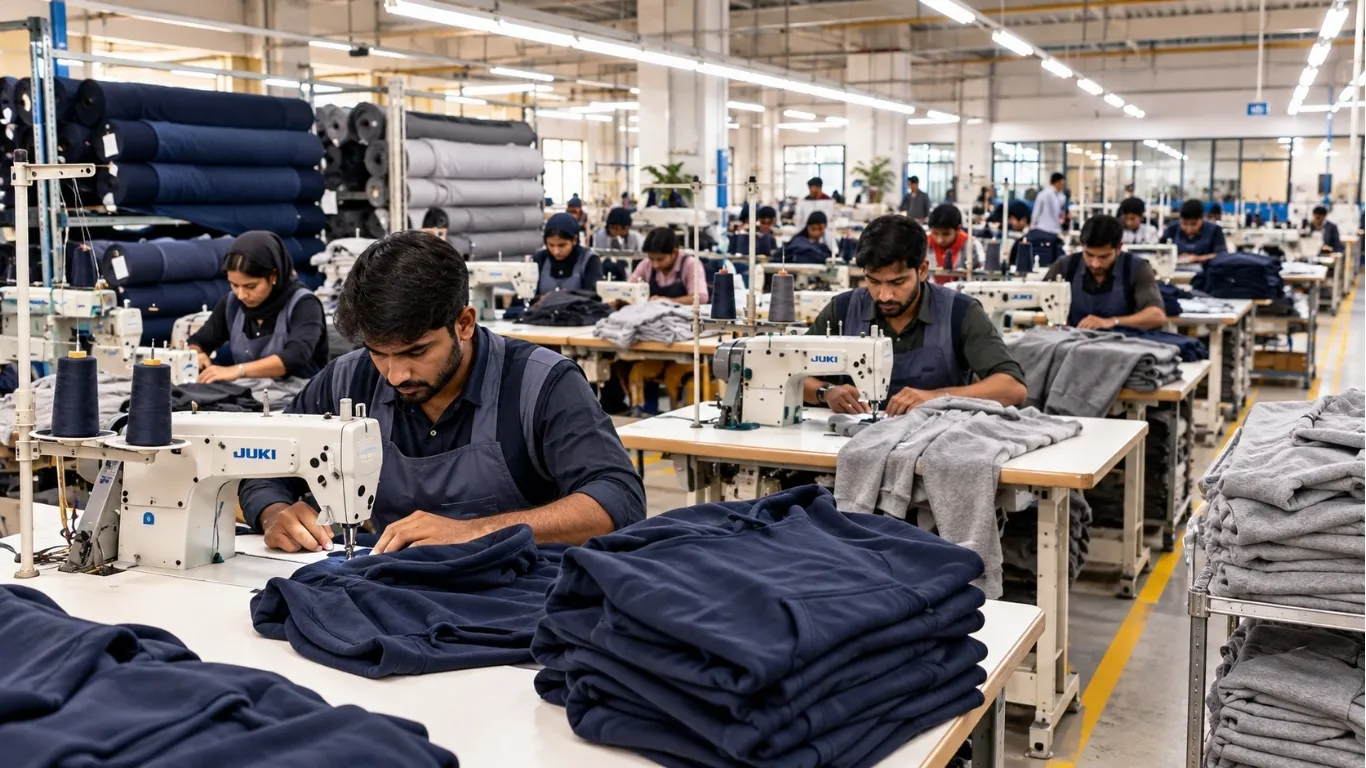
French Terry Hoodie Wholesale Pricing by Order Volume
Reference pricing for custom french terry hoodies at clothingmanufacturer.us. These are directional numbers for standard 340–380 GSM cotton or cotton/poly blend, single colourway, with standard private labelling. Heavyweight french terry (400 GSM+), additional colourways, complex printing, or premium fibres (modal, bamboo) will adjust the unit cost.
| Order Quantity | Unit Price (Standard French Terry) | Private Label | Shipping | Sample Fee |
|---|---|---|---|---|
| 10–50 units | $12–14/unit | Included | DDP worldwide | Credited to order |
| 51–100 units | $10–12/unit | Included | DDP worldwide | Credited to order |
| 101–300 units | $9–11/unit | Included | DDP worldwide | Credited to order |
| 301–500 units | $8.50–10/unit | Included | DDP worldwide | Credited to order |
| 500+ units | Volume discount to 25% | Included | DDP worldwide | Credited to order |
For brands evaluating the full cost of getting a french terry hoodie to retail — including samples, labels, shipping, and potential customs duties in your market — our clothing manufacturing cost guide has a worked example covering each cost category. On duties specifically: if you're importing into the UK, the gov.uk duty calculator applies; if you're importing into the US, DDP means duties and customs brokerage are handled on our side.
Looking beyond hoodies for a full product line? Our custom clothing manufacturers guide walks through the 7-stage process we use for any garment category, not just fleece.
French Terry Hoodie FAQ
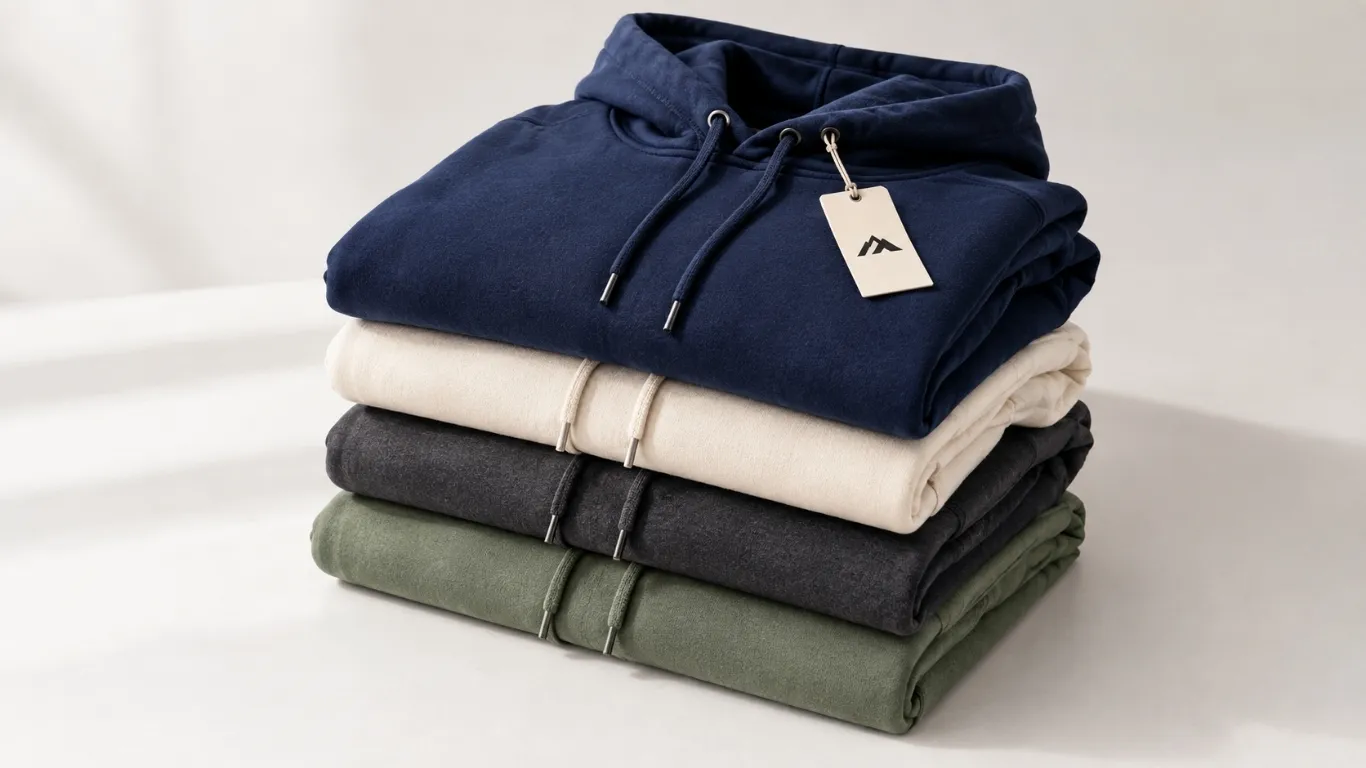
A french terry hoodie is typically made from 100% cotton french terry or a cotton/polyester blend (80/20 or 70/30). The fabric has a smooth knit face and an uncut loop interior, as opposed to fleece which has a brushed, napped interior. Some luxury options use cotton/modal or cotton/bamboo for a softer drape. The GSM (grams per square metre) ranges from around 280 GSM for lightweight summer styles up to 500–600 GSM for heavyweight french terry hoodies.
A french terry hoodie at 400 GSM or above is appropriate for cold weather as a mid-layer or standalone piece in mild-cold climates. Below 340 GSM, french terry reads more as a layering fabric than a standalone winter piece. For genuine cold-weather performance, either go to a heavyweight french terry (400–500 GSM) or consider a brushed fleece construction. The answer also depends on the body of the hoodie — a lined french terry hoodie or one with ribbed cuffs and hem will hold heat significantly better than an open-hem construction at the same GSM.
For most branded streetwear and premium basics applications, 340–380 GSM is the most common production weight — it has the structure and drape of a premium hoodie without the bulk of a true heavyweight. If you want the hoodie to feel noticeably heavier and more substantial in the hand (a selling point for brands positioned above $90 retail), 400–420 GSM is the next step. Anything above 450 GSM reads as a specialty heavyweight french terry product, appropriate for brands specifically marketing around weight and warmth.
French terry has an uncut loop interior — the inside surface has visible loops of yarn that give it a textured, absorbent quality. Fleece has a brushed interior — the loops are cut and combed into a soft nap. French terry is lighter for the same GSM, dries faster, breathes better, and pills less over time. Fleece is warmer for the same GSM and has a softer interior hand feel. For most year-round branded hoodies, french terry is the more versatile choice; for winter-specific products, fleece or heavyweight french terry is more appropriate.
Yes — zip-up french terry hoodies (full-zip and half-zip) are both available as standard styles. The YKK or equivalent zip grade, the pull tab style, and any additional detailing (like a chin guard or internal tape) are confirmed at the tech pack stage. French terry is actually well-suited to zip-up construction because the smooth face seams cleanly at the zip tape, whereas a heavily brushed fleece can sometimes trap in the zip mechanism.
MOQ is 10 pieces per style at clothingmanufacturer.us, splittable to 5 pieces per colourway on in-stock fabric. That means a brand that wants 3 colourways of the same french terry hoodie style can place a 30-unit order (10 per colourway) rather than committing to 100+ units upfront. For french terry hoodie wholesale orders above 300 units, pricing drops into a range where the unit economics work for brands planning distribution into retail accounts.
Yes, particularly 100% cotton french terry — expect 3–5% shrinkage after the first wash on unwashed fabric. We use pre-shrunk yarn on most standard production to bring this down to under 2%, but if shrinkage is a concern for your sizing, it should be specified at the tech pack stage so we can confirm the fabric pre-treatment and adjust the cut sizes accordingly. Cotton/polyester blend french terry (80/20, 70/30) shrinks significantly less than 100% cotton due to the polyester content.
Sample production takes 7–10 business days from a confirmed tech pack. Bulk production of a single-colourway french terry hoodie at 50–200 units takes 14–18 business days after sample approval and deposit. Add DDP shipping transit time: 6–9 days to the US, 5–8 days to the UK, 7–10 days to Europe or Australia. Total door-to-door timeline for a first order is typically 5–8 weeks from first contact to delivery, depending on how quickly the sample round goes.
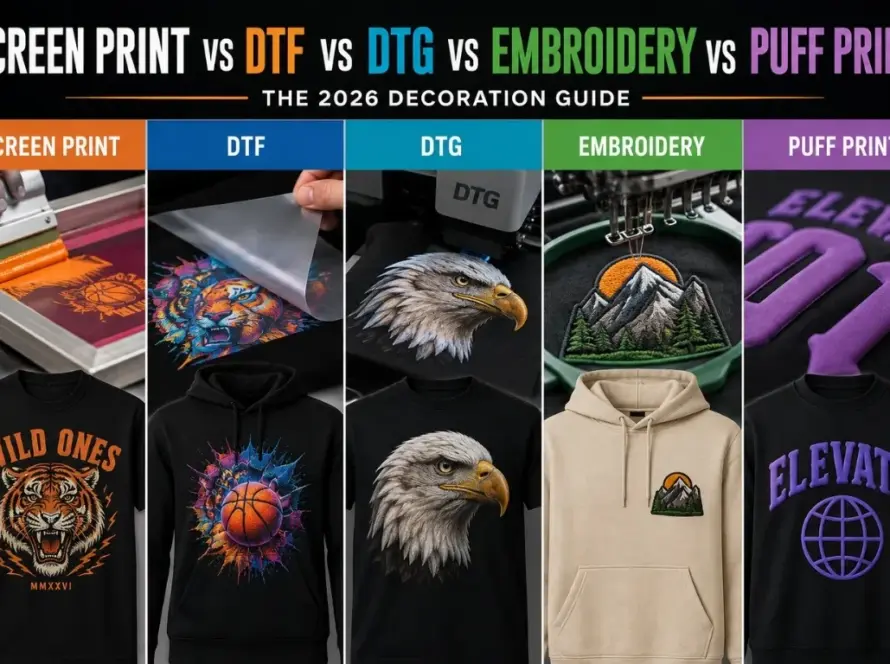
Screen printing, DTF (direct-to-film) transfer, and embroidery all work on the smooth face of a french terry hoodie. DTG (direct-to-garment) works but produces softer results on french terry than on a flat jersey due to slight surface texture. Puff printing (raised ink) is an option for chest logos but requires care at heavier GSM where the loop texture is more pronounced beneath the ink. Embroidery is clean and durable on french terry and is commonly used for chest logos on 340–400 GSM construction. For a full breakdown of print methods, see our screen print vs DTF vs DTG vs embroidery guide.
Yes — woven neck labels, care labels, hang tags, size stickers, and branded poly bags are included as standard in every order, including orders at the 10-piece MOQ. Private labelling at low MOQ is a common reason brands come to us rather than to domestic suppliers who often require 100–300 units before they'll add custom labels. See our private label clothing manufacturer page for the full label and packaging options.
Ready to Order a Custom French Terry Hoodie?
Send your GSM spec, colourway, and quantity and we'll respond with a quote against those exact numbers — no vague pricing.